Do you remember the satisfying clack of mahjong tiles on a Saturday night, or the quiet concentration of a chess match at the void deck? I hadn’t really sat with those memories in a while – until last Friday, when we caught the media preview of Don’t Play Play – The Games That Shape Us at One Punggol.
It’s NHB’s new travelling exhibition, and honestly, it caught me off guard in the best way. This isn’t a dusty display-behind-glass type of thing. You’re supposed to touch stuff. Play things. Sit down and actually try a game. And they mean it.
What is Don’t Play Play?
Don’t Play Play is a travelling exhibition by the National Heritage Board that traces how board games and tabletop games have shaped communities in Singapore across generations. It’s set up across five themed sections, and you can wander through in any order.
Why We Are All Gamers
How card and board games travelled across cultures and took root in Singapore. The section looks at how shared games helped people of different backgrounds find common ground – and still do.
All Aboard! How Games Arrived in Singapore
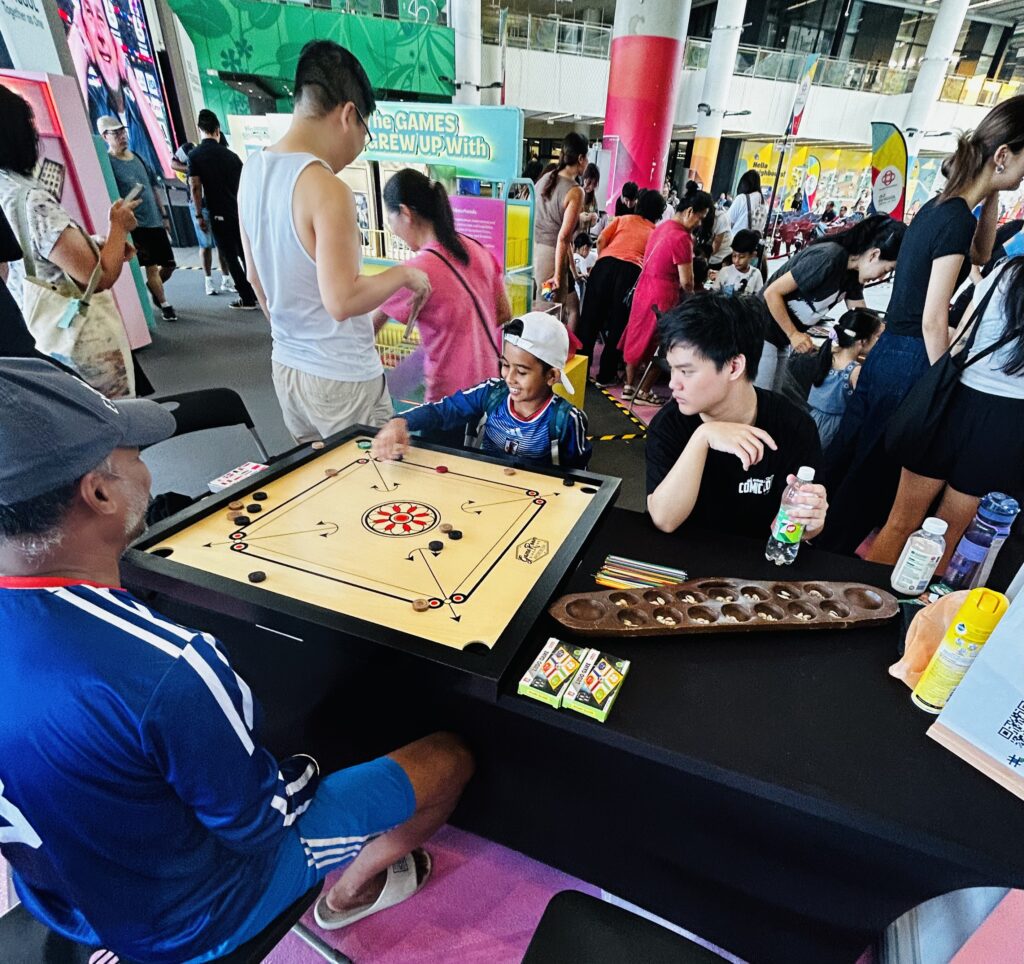
An interactive quiz traces the origins of Congkak, Xiangqi (Chinese Chess), Weiqi, Carrom, and Dum (Checkers) – and how each found its way here. I knew some of this, but not all of it.
The Games We Grew Up With
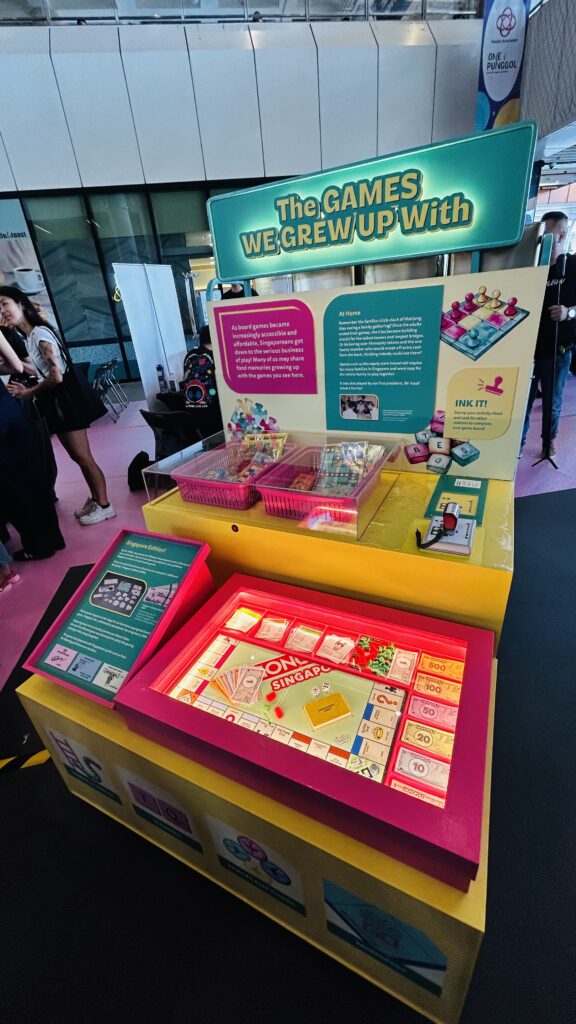
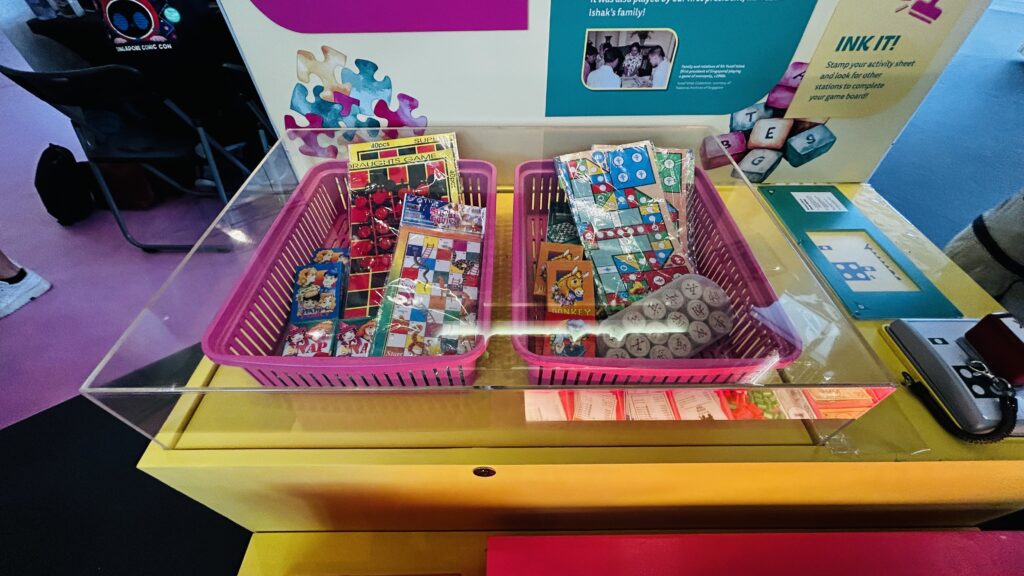
The nostalgia hit hard here. Mahjong, Monopoly, Snakes and Ladders, Scrabble – including the Singapore edition of Monopoly. The section is set up like a void deck or mama shop, and it works. There were a few things on display I recognised but had never actually played. Five-stones, congkak, old maid. You’re encouraged to pick things up.
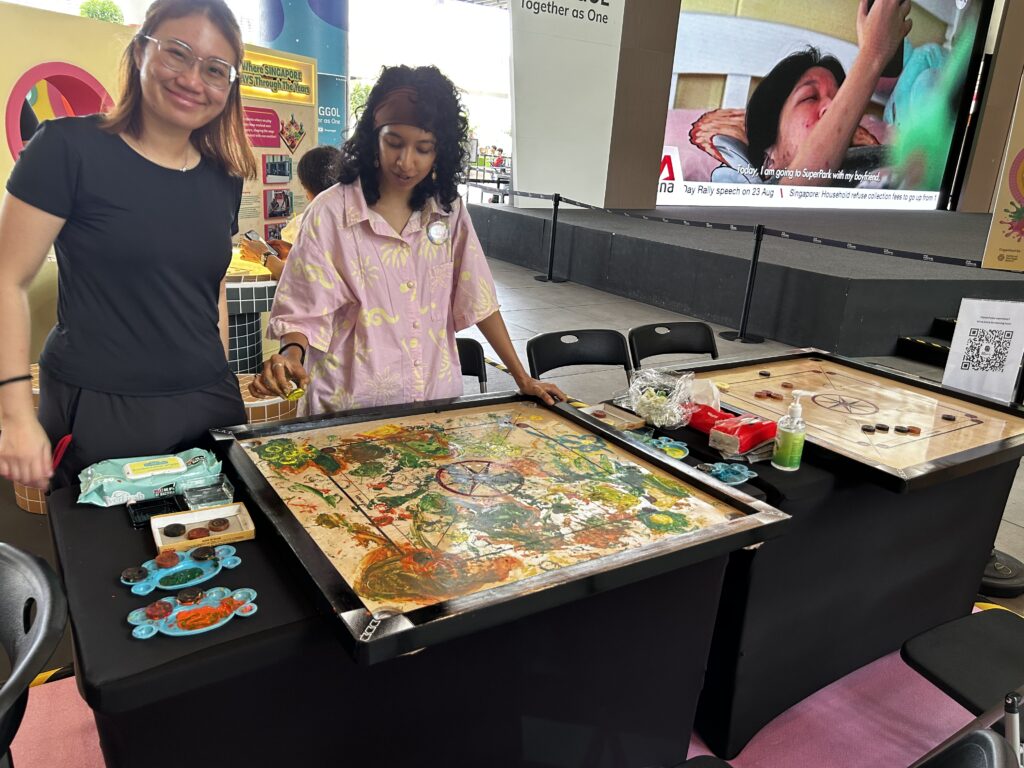
Where Singapore Plays Through the Years
How the spaces for play have shifted over time – from back alleys and five-foot ways to community centres and void decks. The archival photos in this section are genuinely worth pausing for.
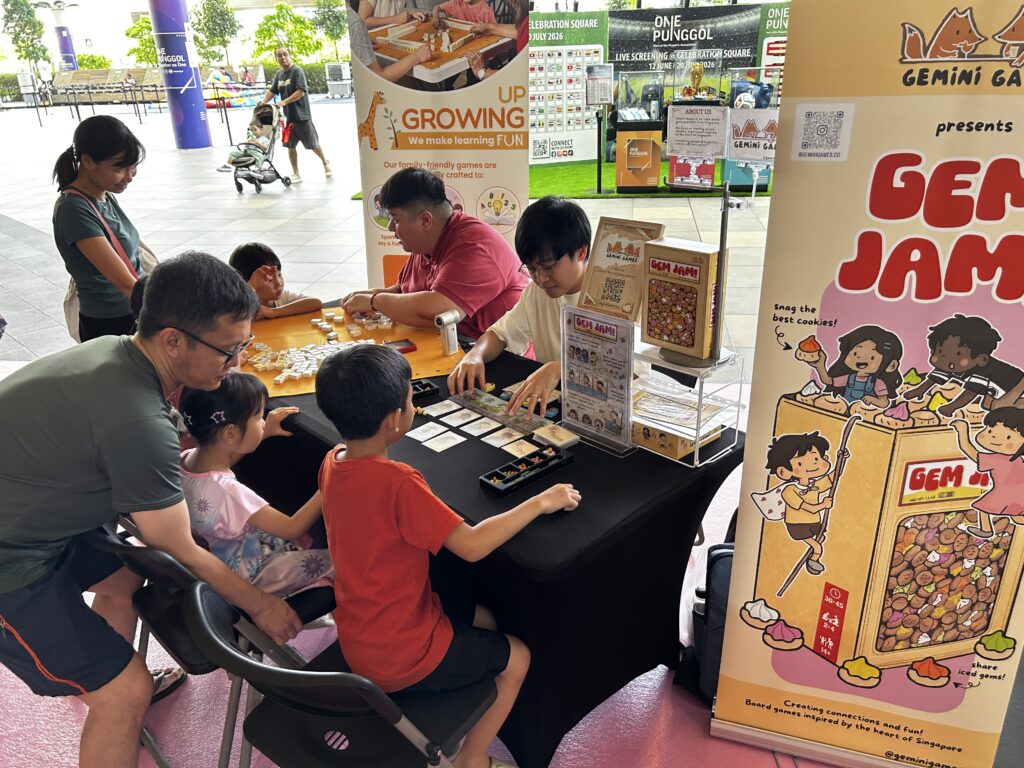
Homegrown Games
Singapore-designed games like Kopi King and The Singaporean Dream are on show here. The local games industry has been quietly growing since the 1980s, and this section makes a case for it without overselling things.
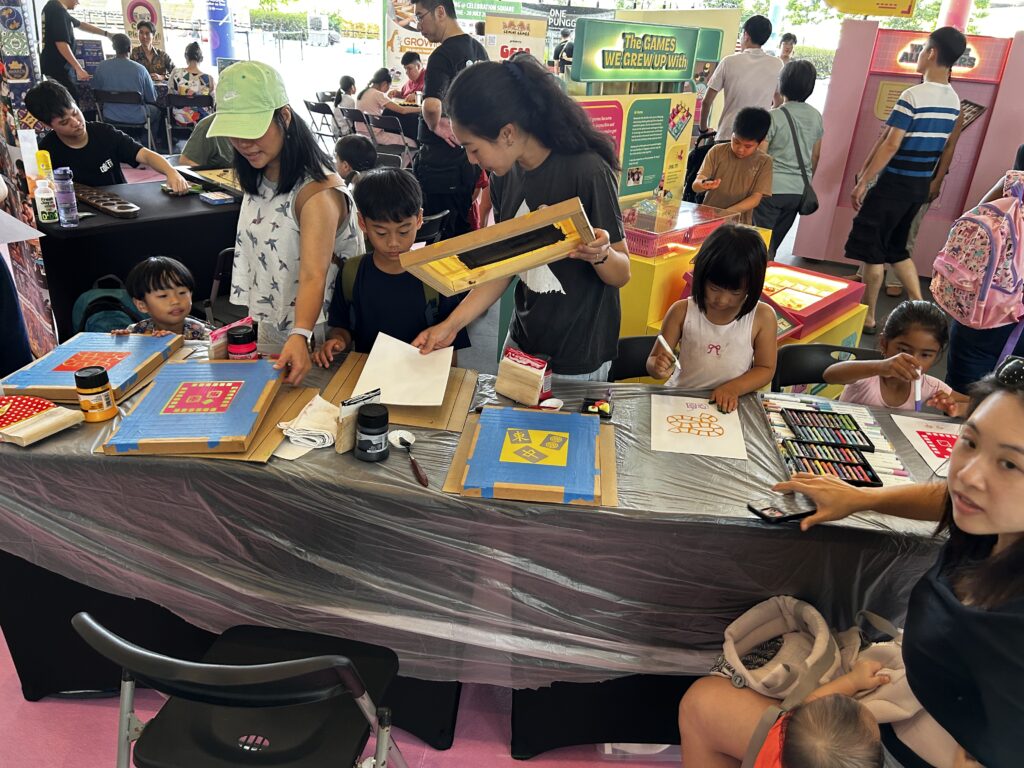
Weekend programming worth planning for
Beyond the exhibition itself, there’s programming across two weekends that’s worth timing your visit around.
Weekend 1 – 13 to 14 June 2026 (11am to 5pm on the 13th, 11am to 4pm on the 14th):
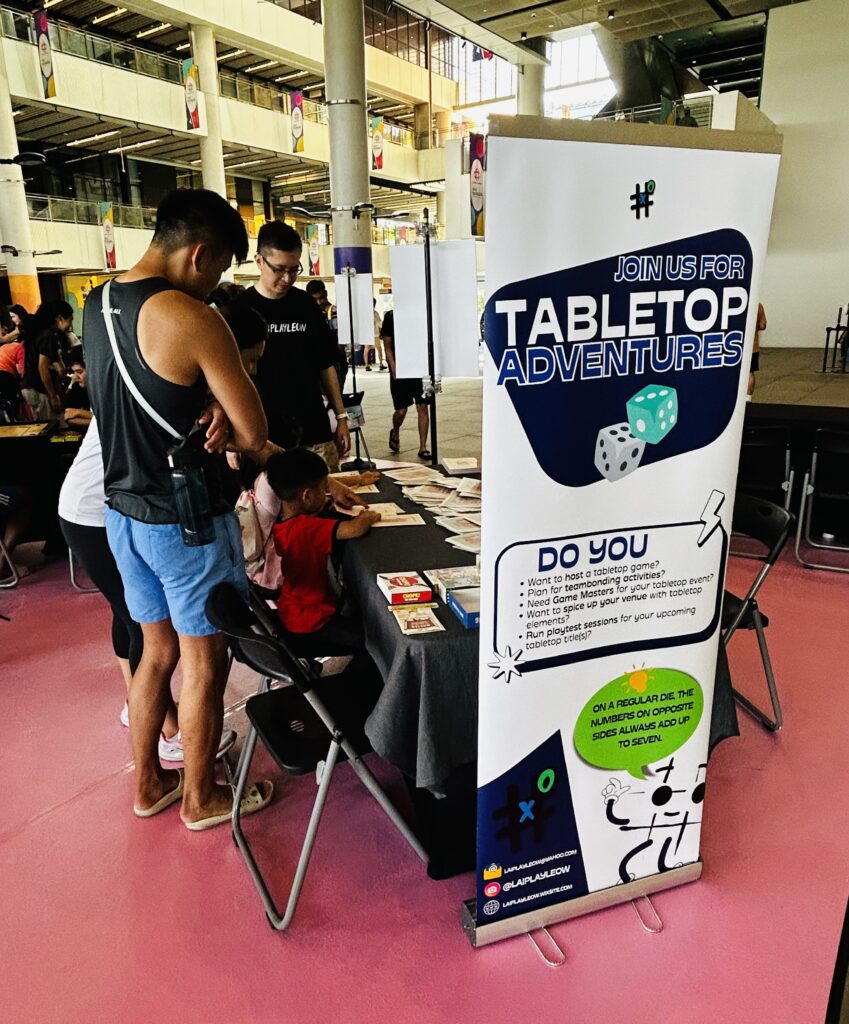
- #LaiPlayLeow Gaming Area: Three local game designers are on hand with dedicated tables, where you can try 15 locally designed games through guided demonstrations and casual play.
- PLAY! Craft Booths: Drop-in workshops by local artist collective PLAY! – make your own Monopoly-inspired clay tokens, try screen-printing, and other hands-on activities. Suitable for all ages.
Weekend 2 – 20 to 21 June 2026 (11am to 2pm):
- Damai Board Games Community Booth: Learn a new board game or challenge a community member.
- Singapore Scrabble Association Booth: Drop in for a game, or take on the members if you’re feeling confident.
- Singapore Weiqi Association Booth: Learn simplified Weiqi, or play against a robot challenger.
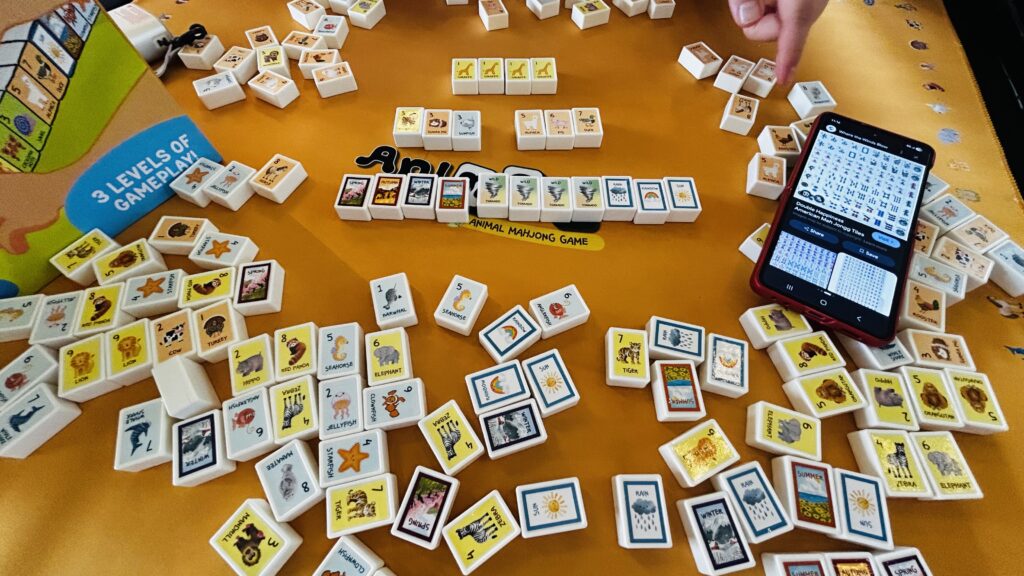
One game that caught my attention: AniMAH
At the media preview, we got to try AniMAH by Growing Up (growingup.sg) – a mahjong game where the tiles feature animals instead of the traditional Chinese characters and bamboo suits. The idea is that younger players or newcomers can read the tiles immediately, without having to learn the suit system from scratch first. I watched a few kids at the event pick it up within minutes.
It keeps the fundamental rules and logic of mahjong – pattern recognition, forming sets – but lowers the barrier enough that three generations can sit around the same table without anyone feeling lost. It is the kind of thing that does not sound that interesting until you are actually playing it. Don’t say I never share: growingup.sg/product/growing-up-animah/
Should you go?
Yes, especially if you grew up in Singapore and haven’t thought about five-stones or congkak in years. The exhibition is free, the interactive elements are genuinely fun, and it doesn’t feel like homework.
For families, the craft booths during Weekend 1 look like a good bet with younger kids. For anyone interested in Singapore’s social history, the section on how games arrived here and quietly wove themselves into everyday life is worth spending time on.
It travels after One Punggol, so this is the first stop. Go while it’s here.
Details
Don’t Play Play – The Games That Shape Us
One Punggol, Level 1, Celebration Square Zone 2
13 June to 30 June 2026
Daily, 10am to 9pm
Free admission | www.nhb.gov.sg