
Adults should sleep at least seven hours a night, and Health Promotion Board guidance on HealthHub puts the healthy range at seven to nine hours for anyone aged 18 to 64. For people who train, those hours do real work. Deep sleep is the stage that allows for bodily recovery and growth.
How much sleep by age
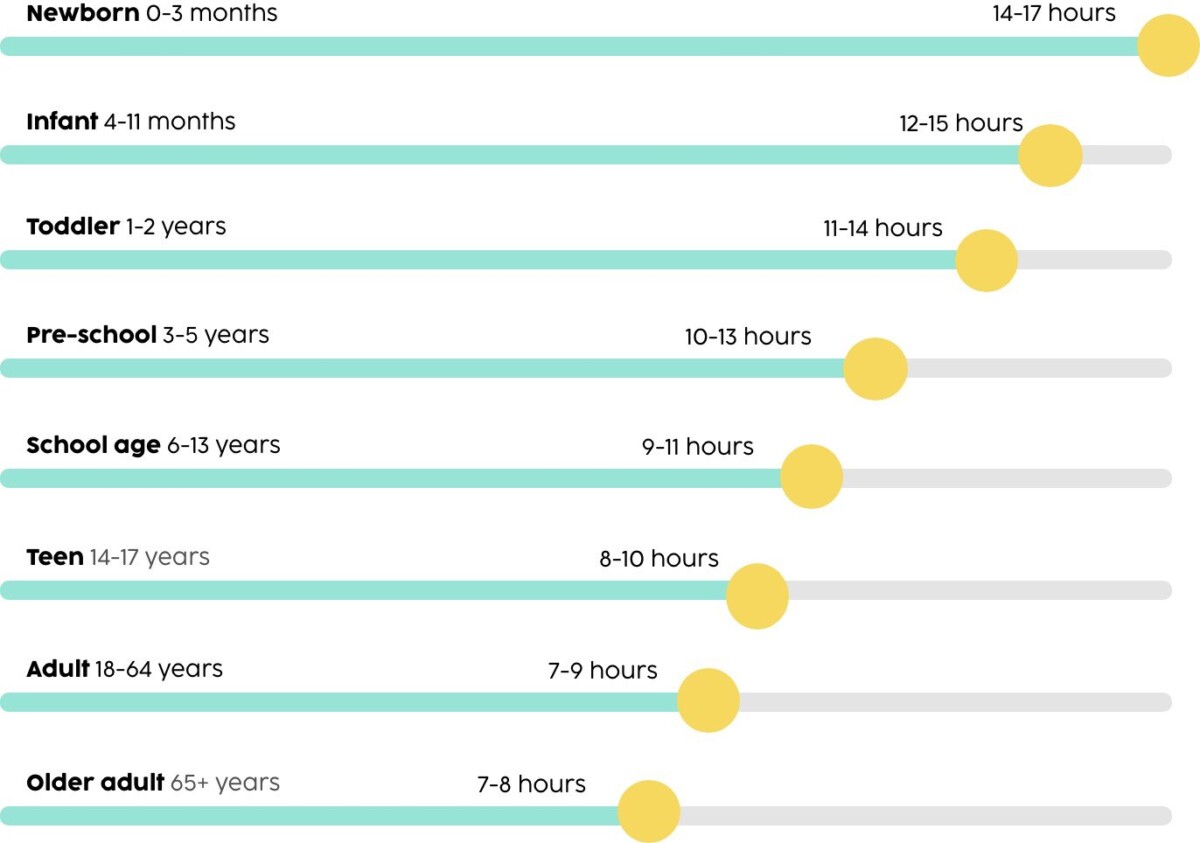
The HPB chart sets out different ranges across life:
- Teenagers aged 14 to 17: 8 to 10 hours
- Adults aged 18 to 64: 7 to 9 hours
- Adults aged 65 and above: 7 to 8 hours
Why the hours matter for recovery
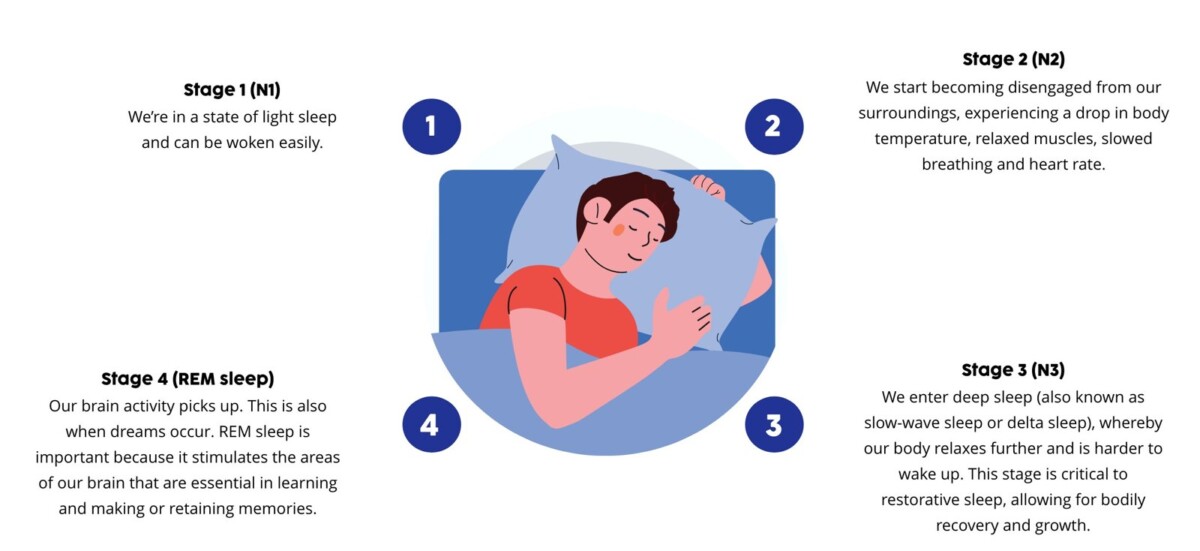
Sleep runs in cycles that average 90 minutes and repeat several times a night, each moving through four stages. Stage one is light sleep, when a person wakes easily. In stage two, body temperature drops, muscles relax and breathing and heart rate slow. Stage three is deep sleep, also called slow-wave sleep, which HPB describes as critical to restorative sleep, allowing for bodily recovery and growth. Stage four is REM sleep, when brain activity picks up, dreams happen and the parts of the brain used for learning and memory are stimulated.
A short night trims the number of full cycles. The usual signs of too little sleep are tiredness through the day, poorer concentration, slower thinking and changes in mood, none of which help a training session or a long day at work.
Exercise and a regular schedule
Regular moderate to vigorous exercise helps people fall asleep faster and improves sleep quality, partly through the change in body temperature it brings. There is no single best hour to train for better sleep, since it differs from person to person, so HPB suggests trying different times to find the schedule that works. Exercising outdoors in sunlight also helps the body regulate its sleep and wake cycle.
The other habits are simple and cost nothing:
- Go to bed and wake up at the same times every day, weekends included
- Switch off phones, tablets and laptops at least 60 minutes before bed
- Avoid caffeine and alcohol at night
- Keep any pre-bed snack light, such as low-fat yoghurt, a cup of milk or a serving of fruit
- Skip evening naps; a power nap of 10 to 20 minutes in the early to mid afternoon is the better option
- If sleep has not come after 20 minutes, get up and do something relaxing in another room, such as reading or listening to soothing music
Tracking and when to get help
The Healthy 365 app can pair with a fitness tracker to keep a record of sleep.
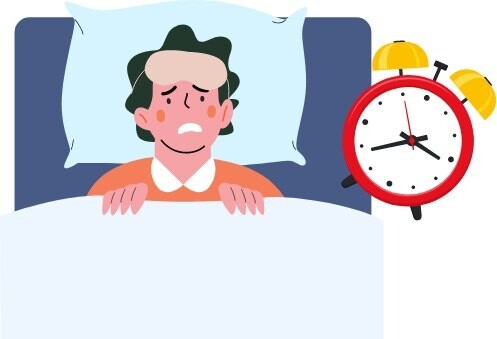
When trouble sleeping lasts at least a month, causes real distress and gets in the way of work or social life, HPB suggests keeping a sleep record. It should note bedtimes and wake times, total hours and how good the sleep felt, time spent awake and what was done, food, drink, caffeine or alcohol before bed, mood at bedtime and any medication. That record helps a healthcare professional decide whether a sleep disorder is involved. Sleep centres at hospitals including Changi General Hospital, Khoo Teck Puat Hospital and Tan Tock Seng Hospital handle assessment.