A bank, a gold-panning station and a place to print money. Money Town at Children’s Museum Singapore had my attention straight away. This was going to be rather more interesting than a lesson about keeping coins in a piggy bank.
I visited the Coleman Street museum on Friday, 13 November 2026, ahead of the exhibition’s public opening on 14 November. I’m taking you through what caught my eye, with the practical visiting details checked against the museum’s website.
The exhibition is primarily designed for children aged 5 to 9. Its three areas, Heritage Quarter, Downtown and Money Barn, approach money through objects, games and choices. UOB Foundation is the Presenting Partner. You can read the museum’s official exhibition guide here.
Hello, Ready, Start
I started with the three onboarding booths labelled Hello, Ready and Start. They give the visit a clear starting point before children head off to the activities. The exhibition’s welcome panel asks visitors to find their Money Town character at these stations.
I like that the welcome sign puts earning, saving, investing, spending and donating together. There is more to do with money than accumulate it. Though I suspect I would need a little supervision at the spending part.
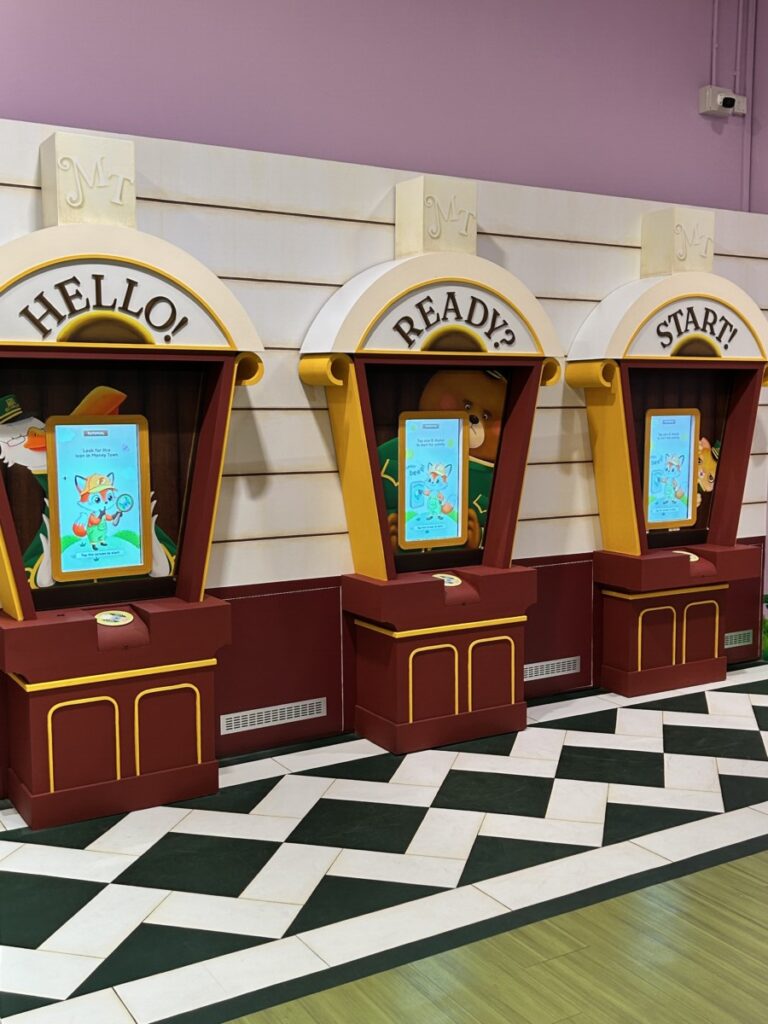
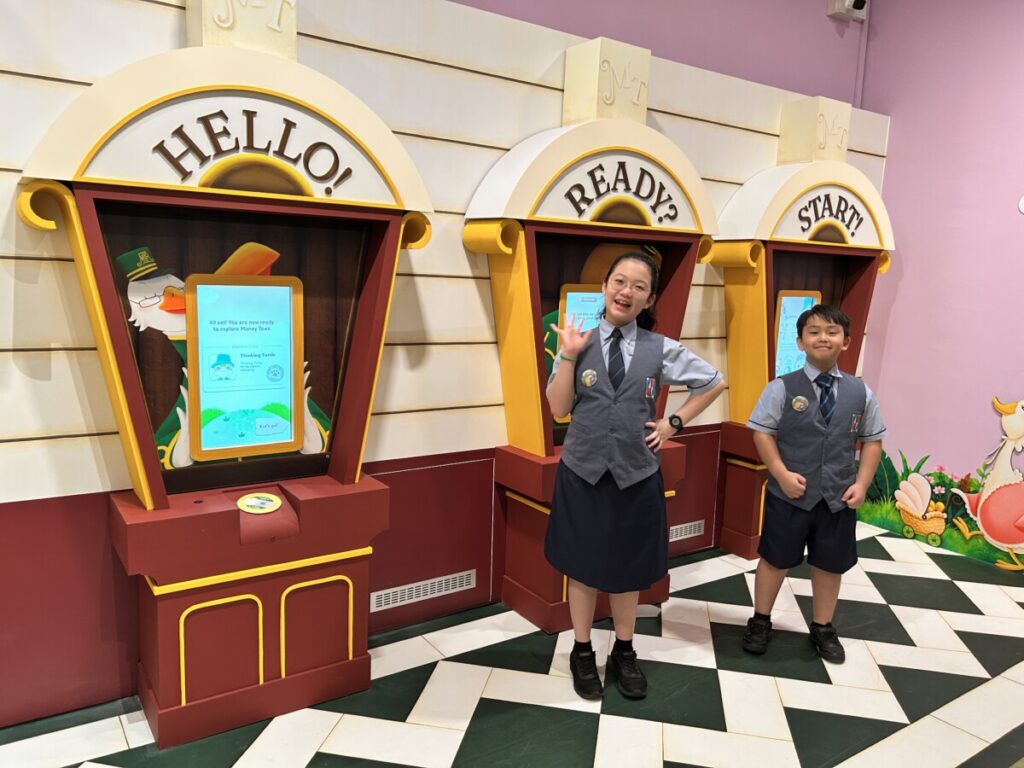
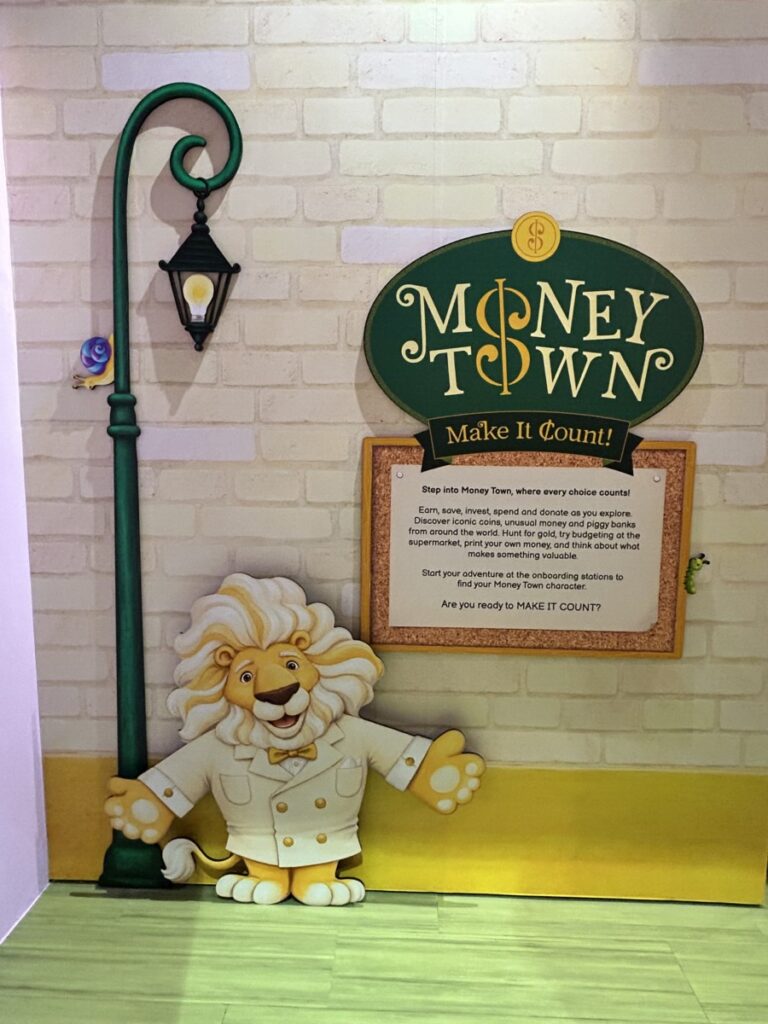
A clear starting point. I could use one of these for my own spending habits.
Money before it fitted in a wallet
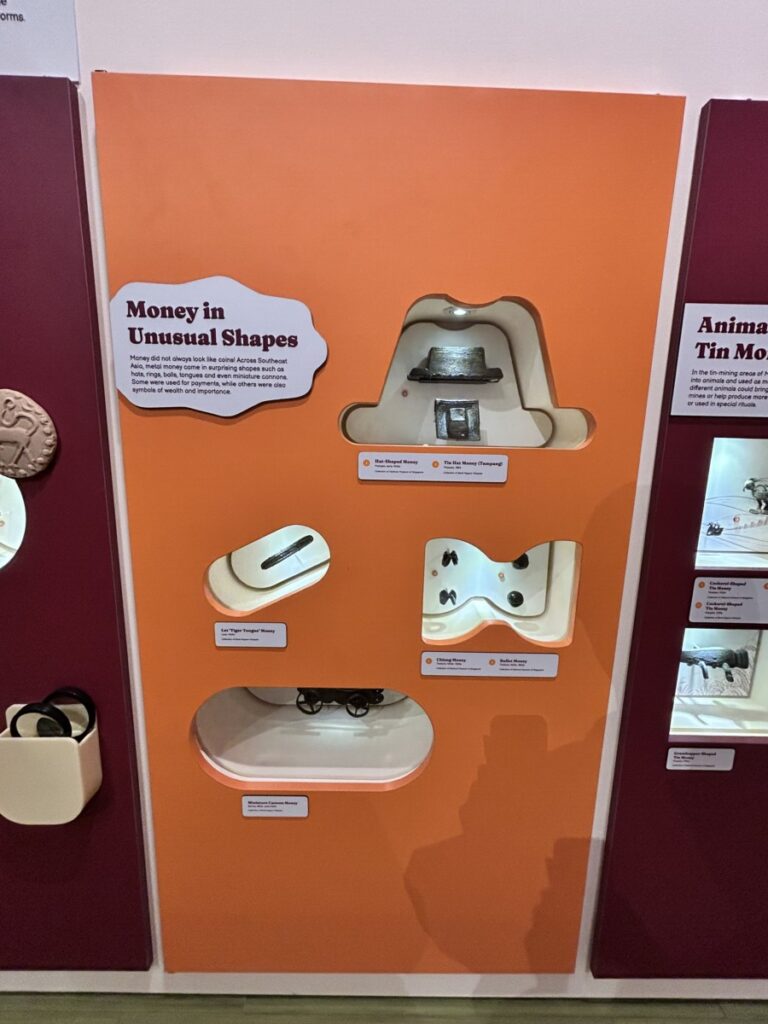
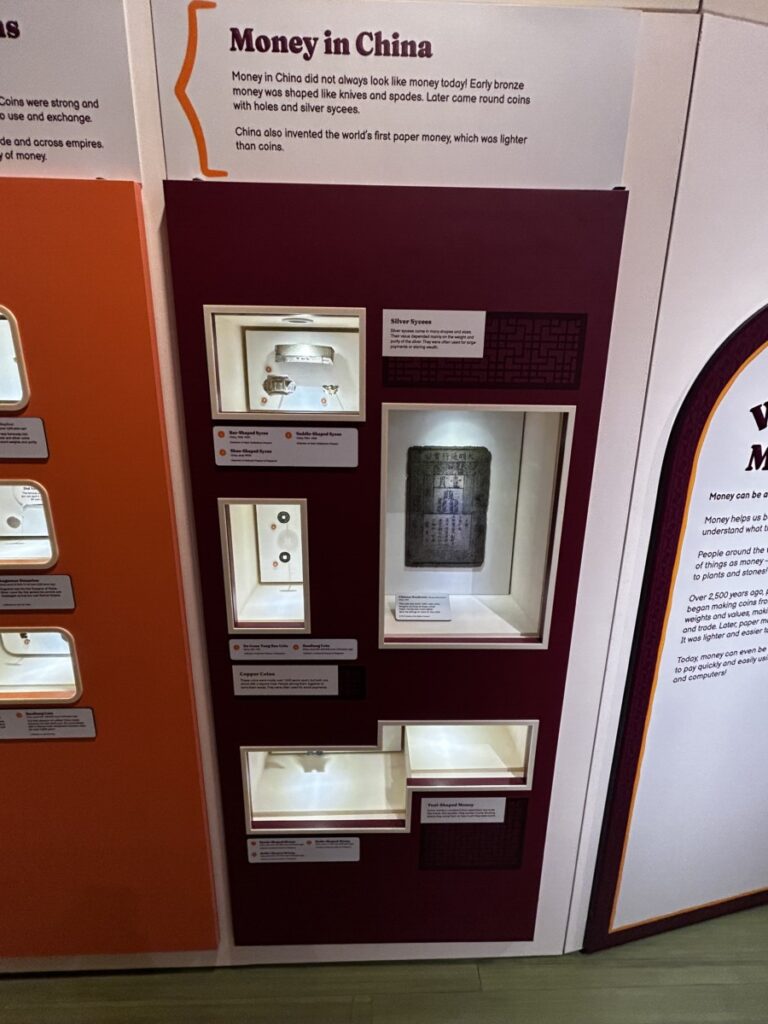
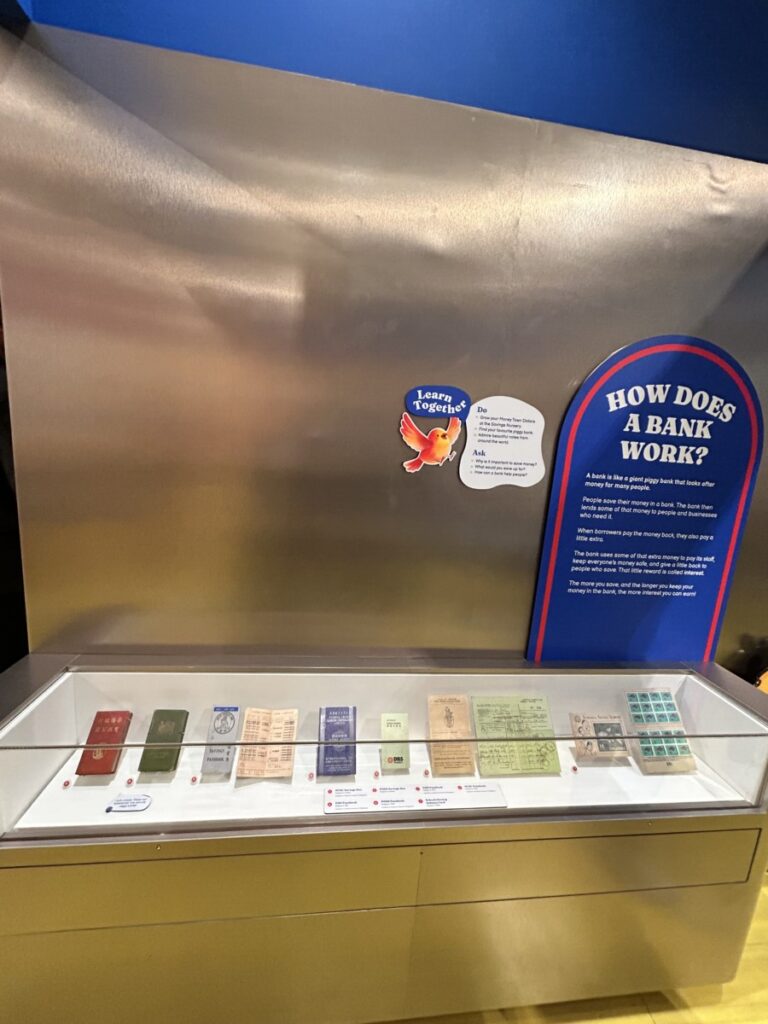
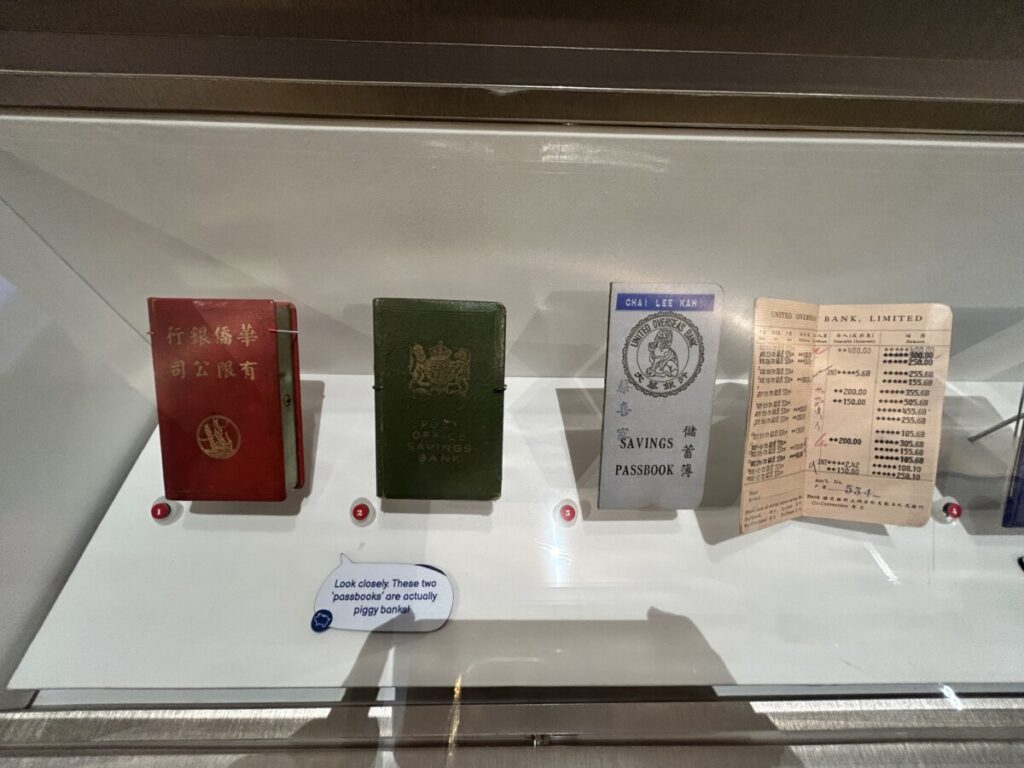
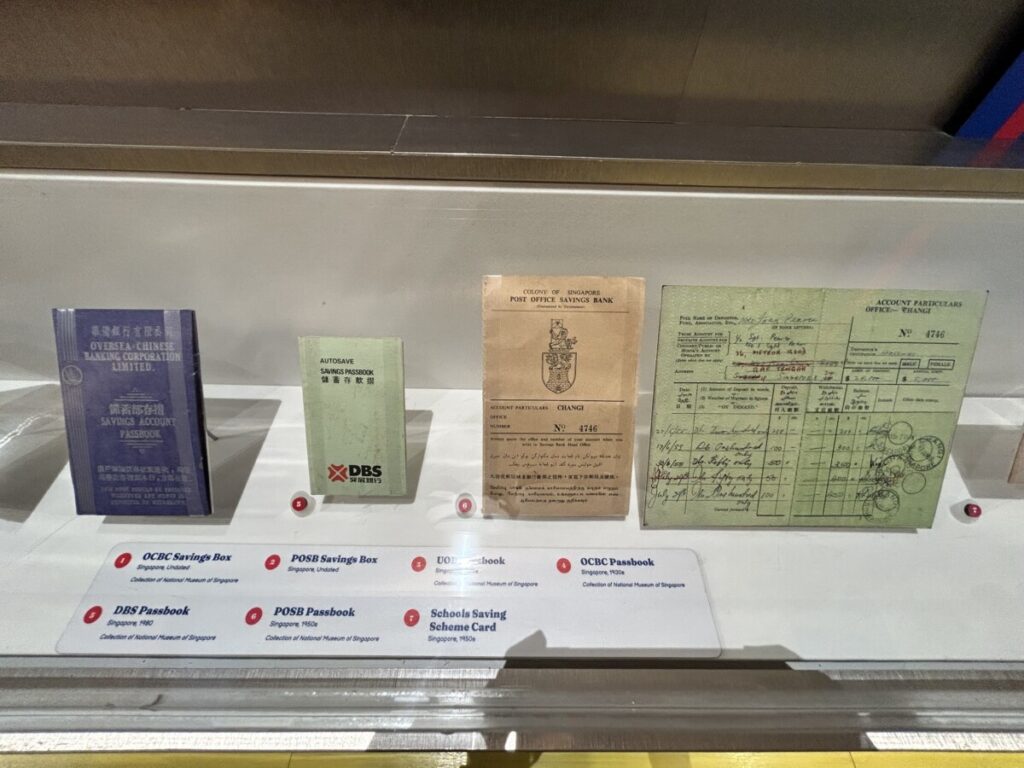
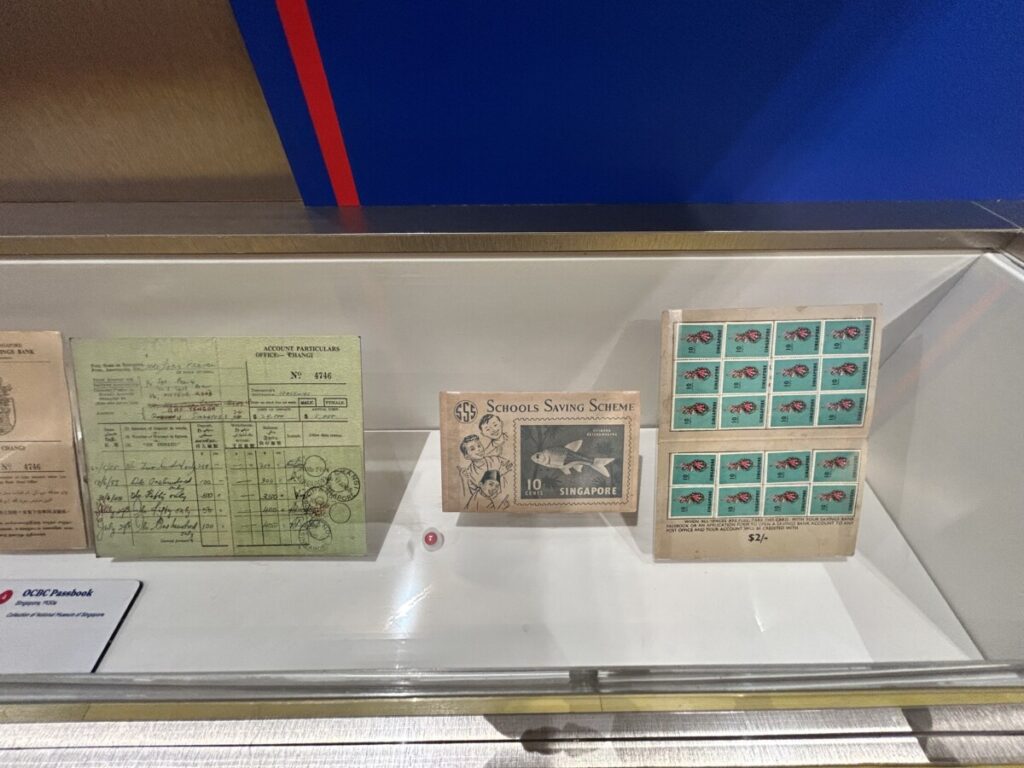
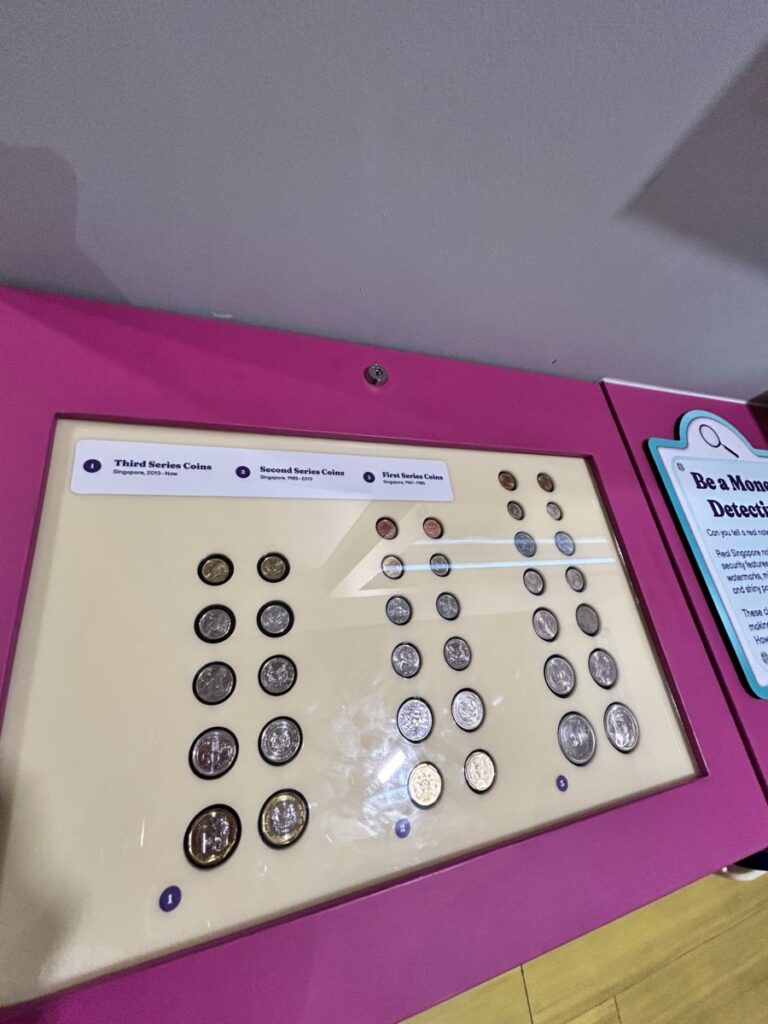
The Heritage Quarter was the part that made me slow down. The cases include animal-shaped tin money, tool-shaped money, coins, jewellery and a miniature cannon. Money has taken some wonderfully awkward forms.
One display brings together tin animals including tortoises, a fish and an elephant. Another groups spade and knife forms under tool-shaped money. Beside them are coins small enough to make you lean in for a better look.
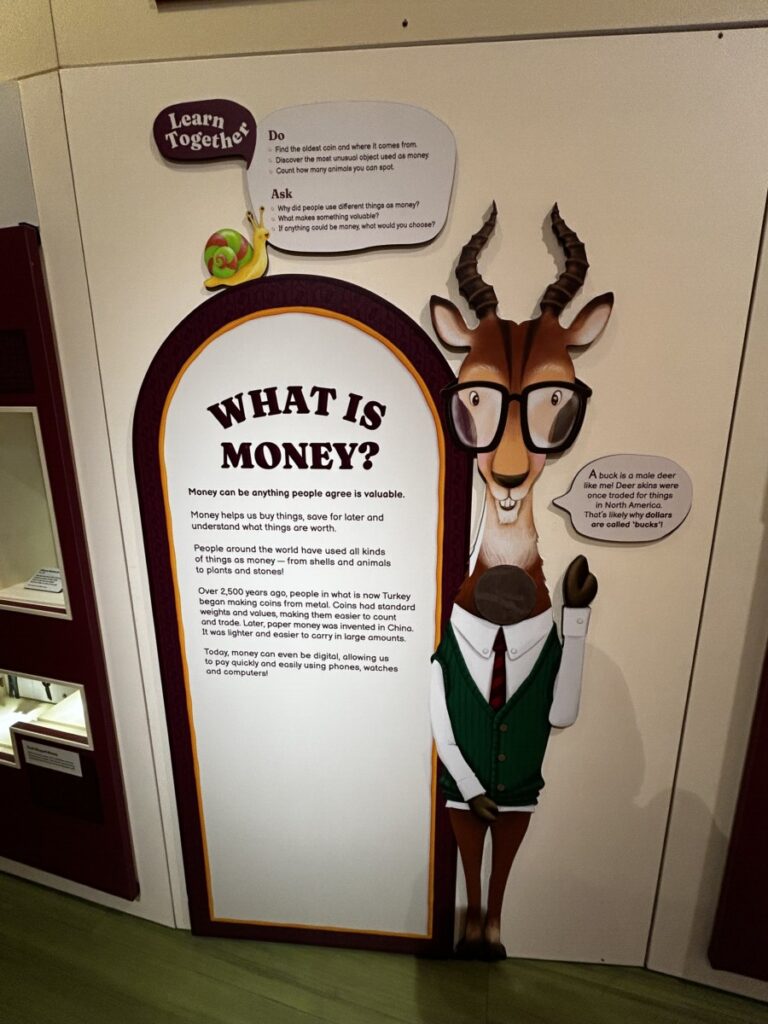
These are useful objects for a conversation with a child. What makes something money? Does it have to be round? If both people agree an object has value, what changes when one of them disagrees? I would start with those questions before trying to explain anything more complicated.
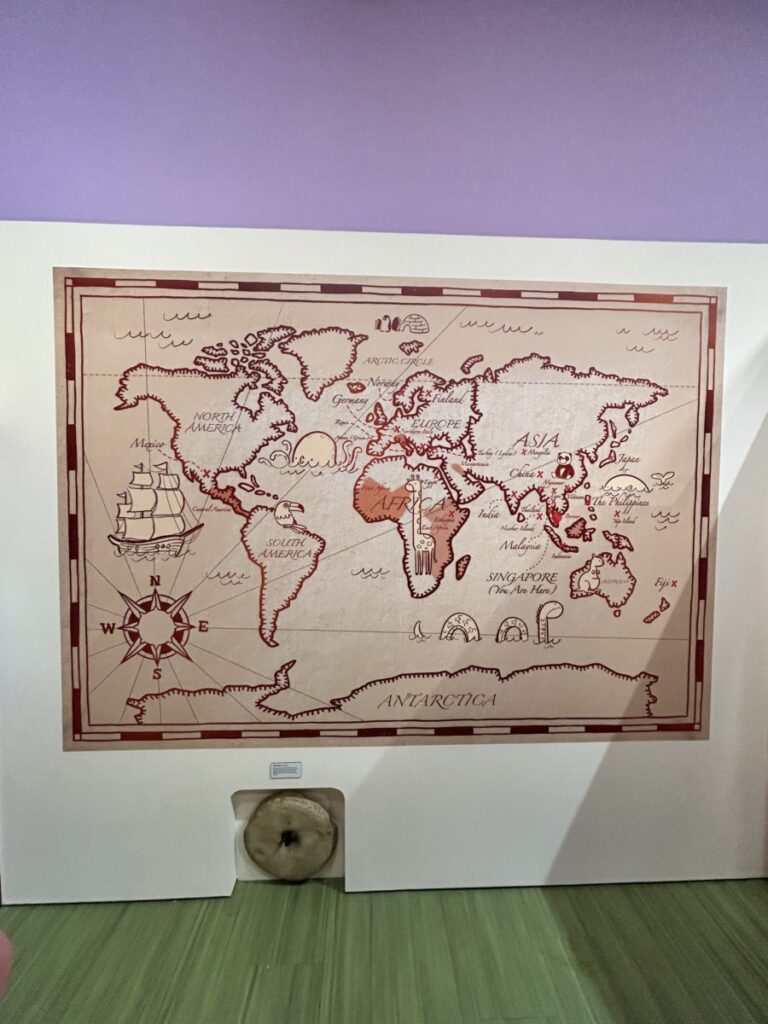
I also came across a recreated office setting, a world map and a case about banknotes used by Chettiars. There is plenty here to connect the games with the history of trade and exchange.
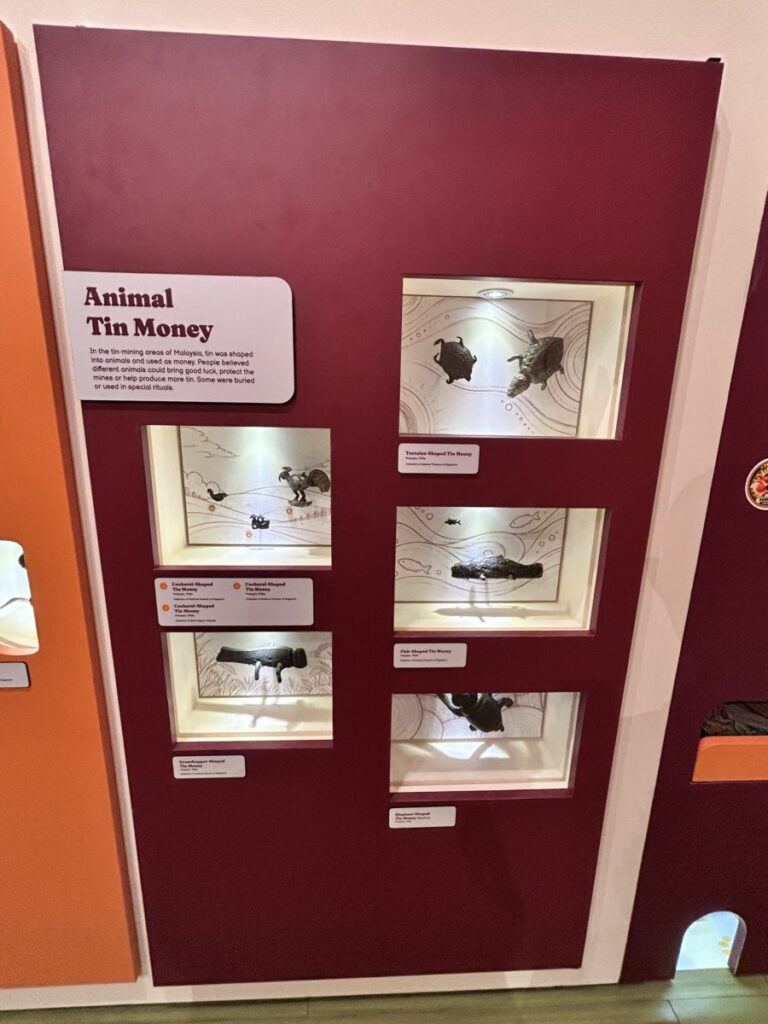
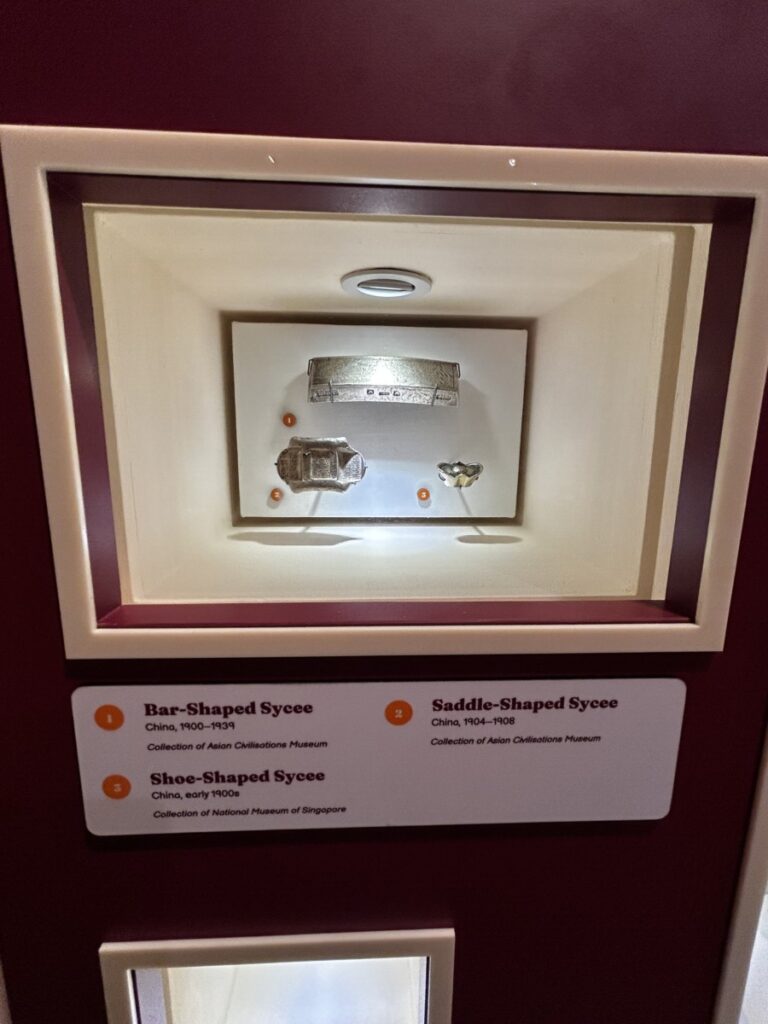
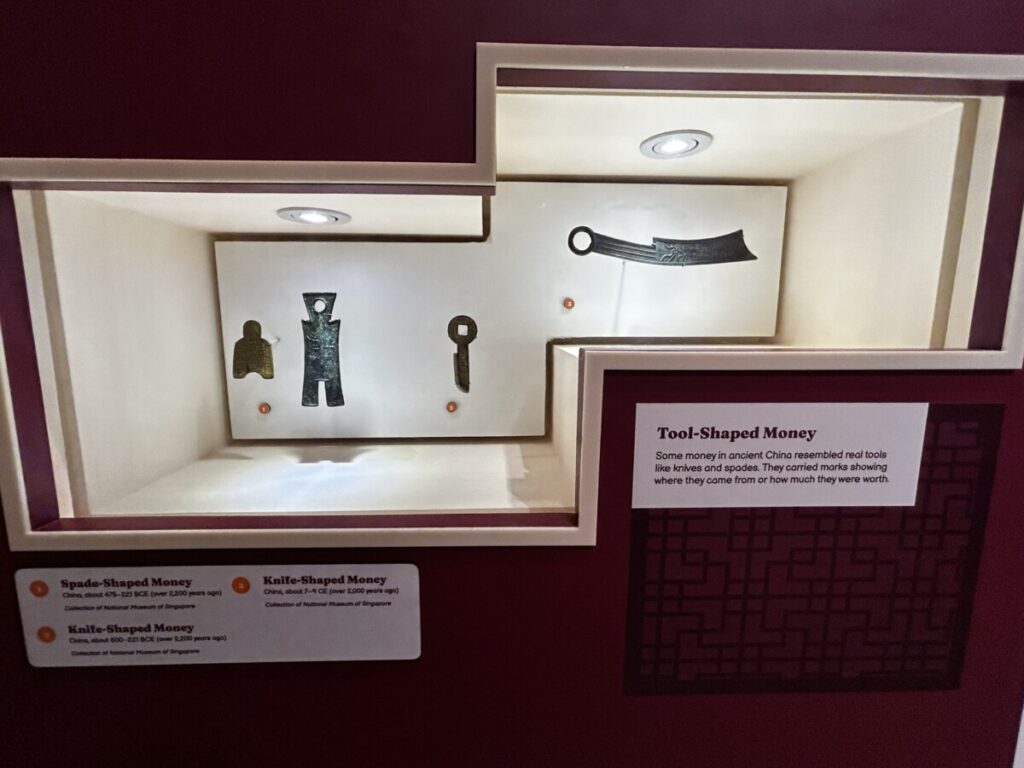
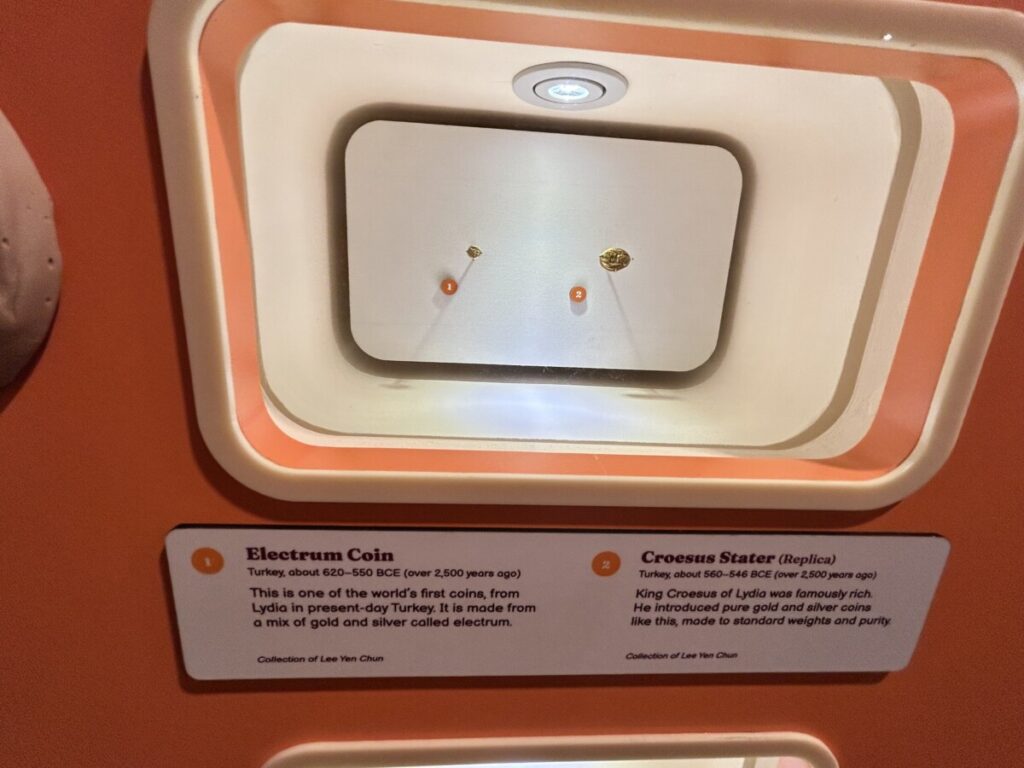
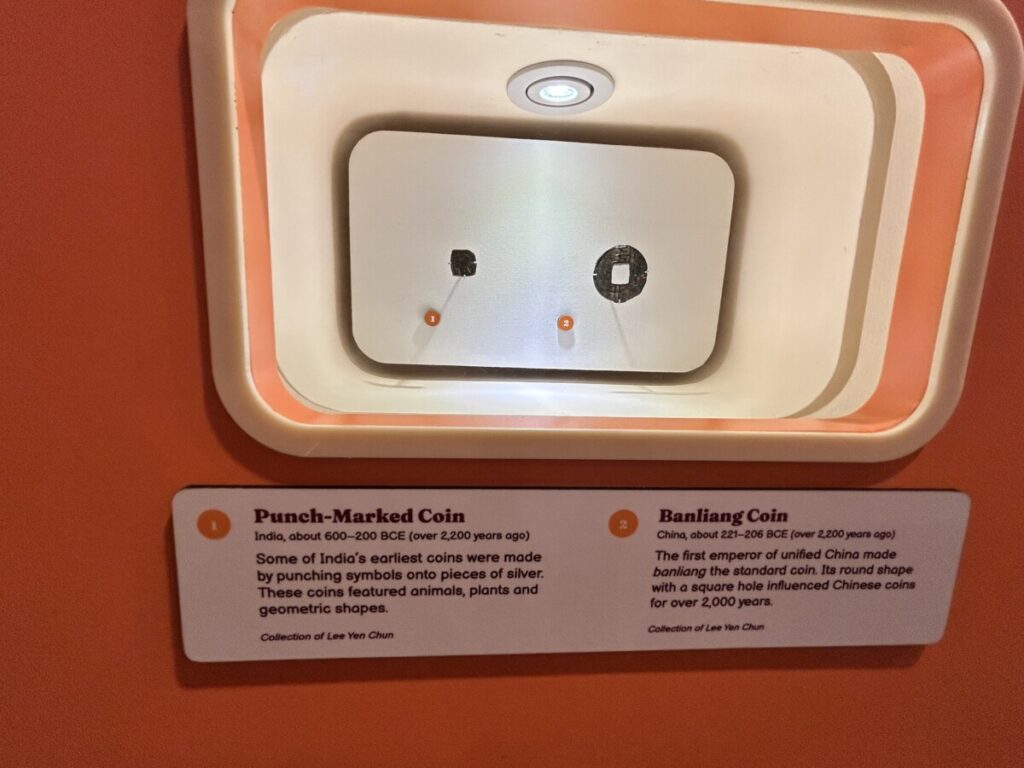
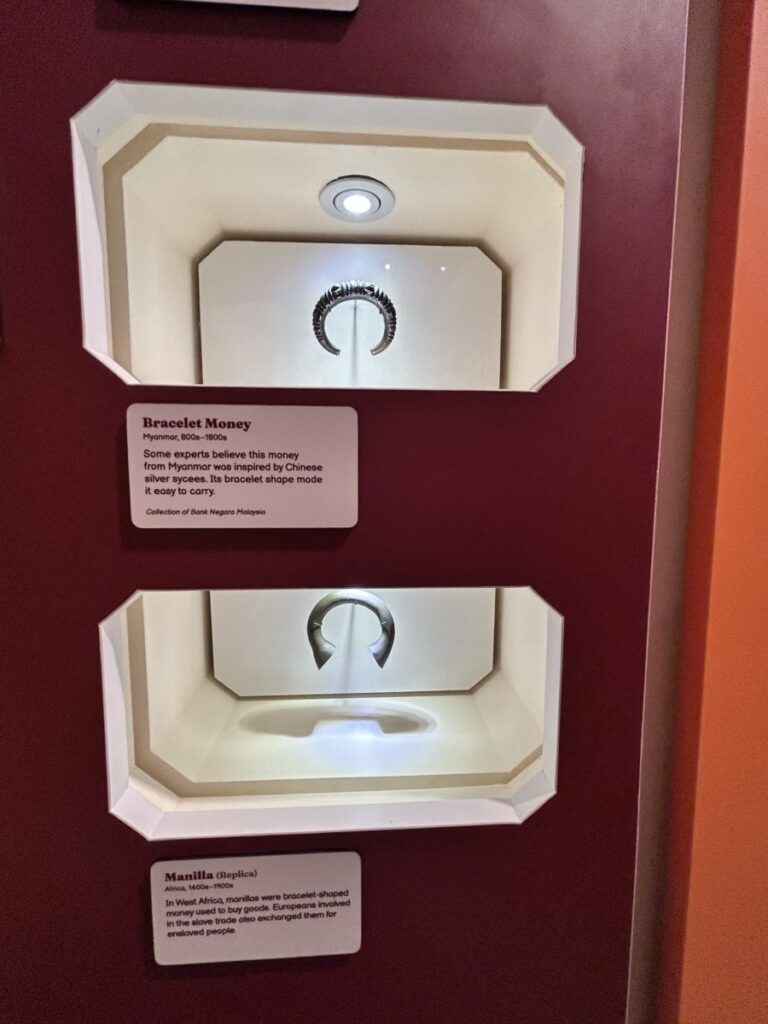
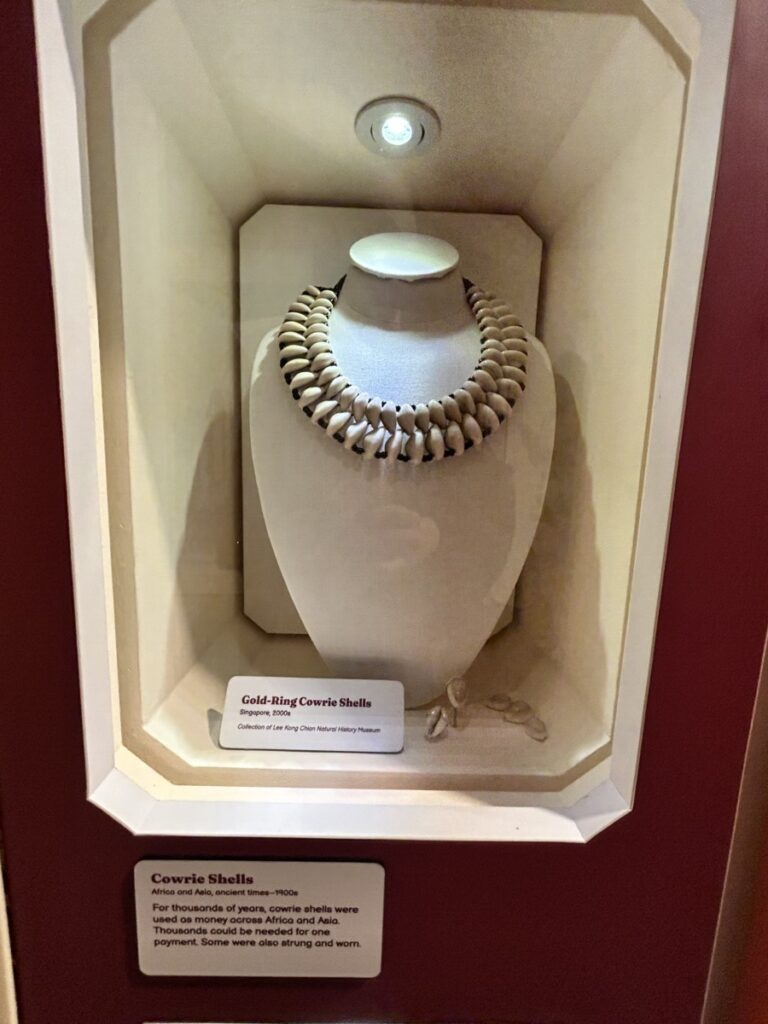
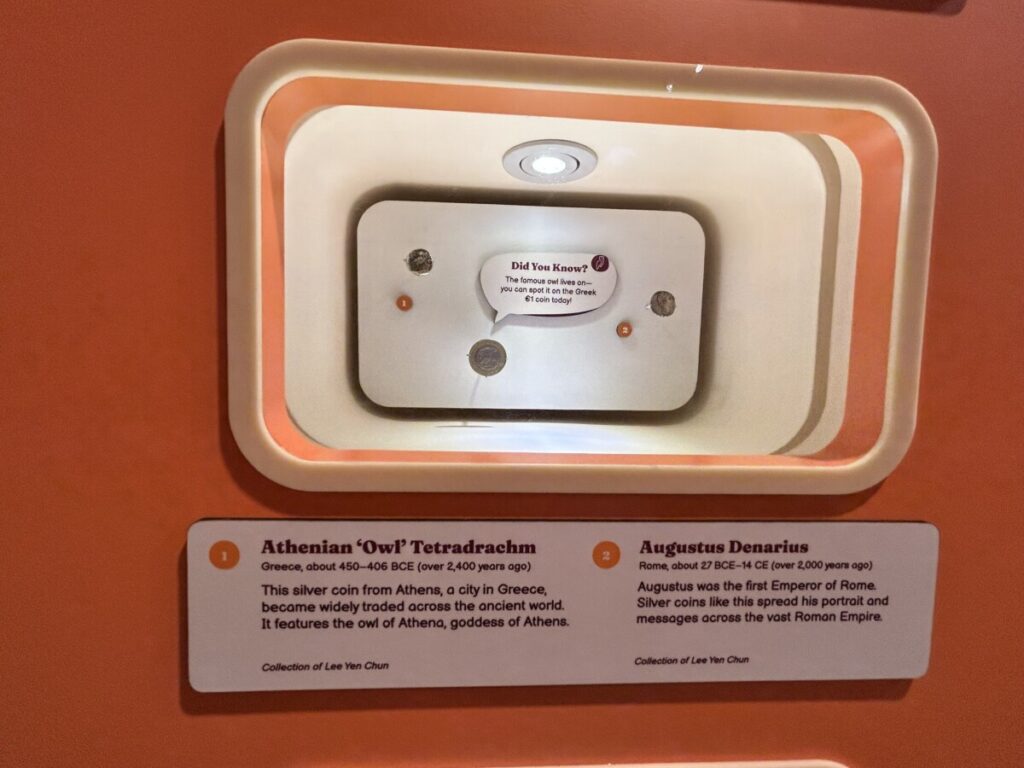
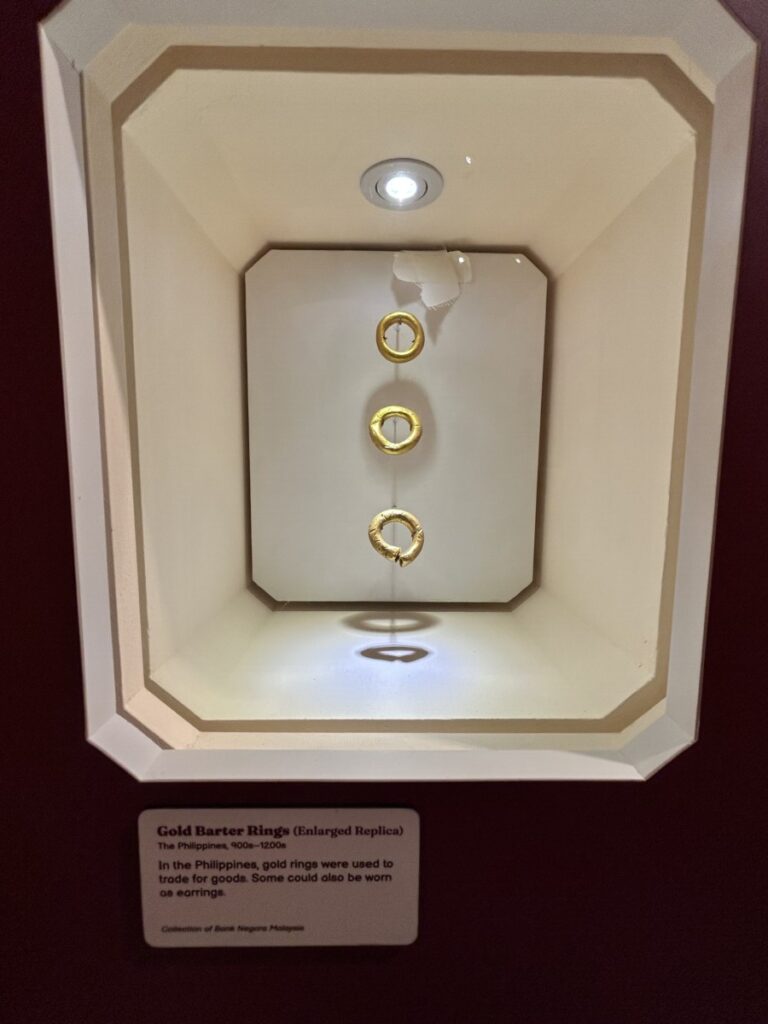
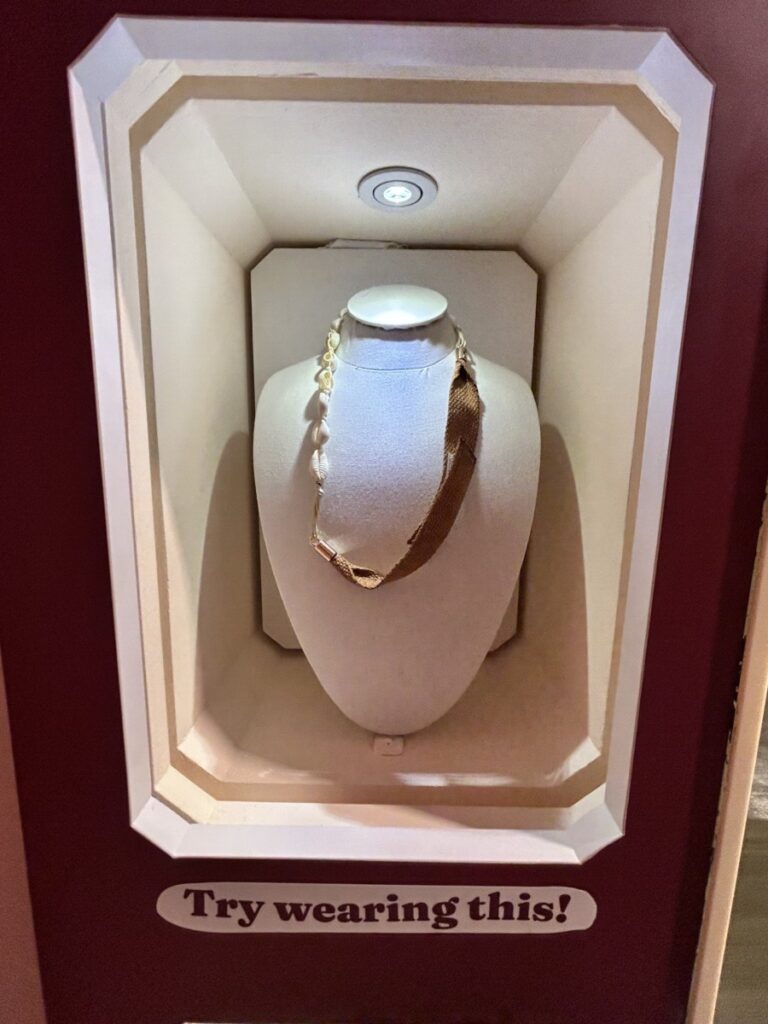
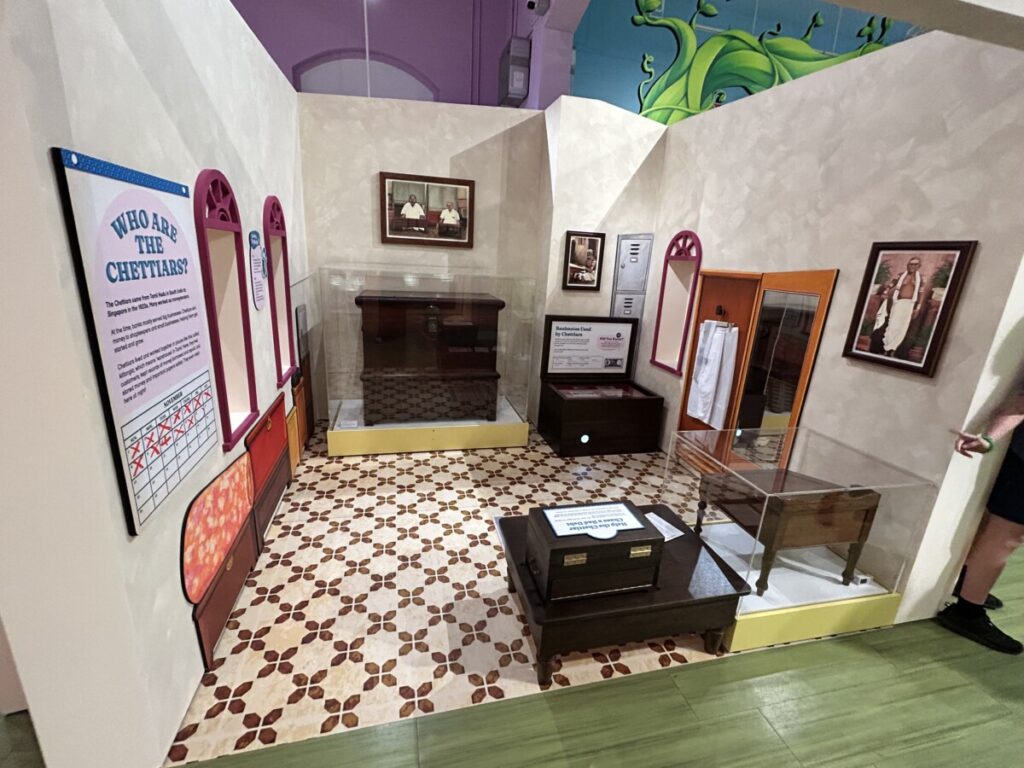
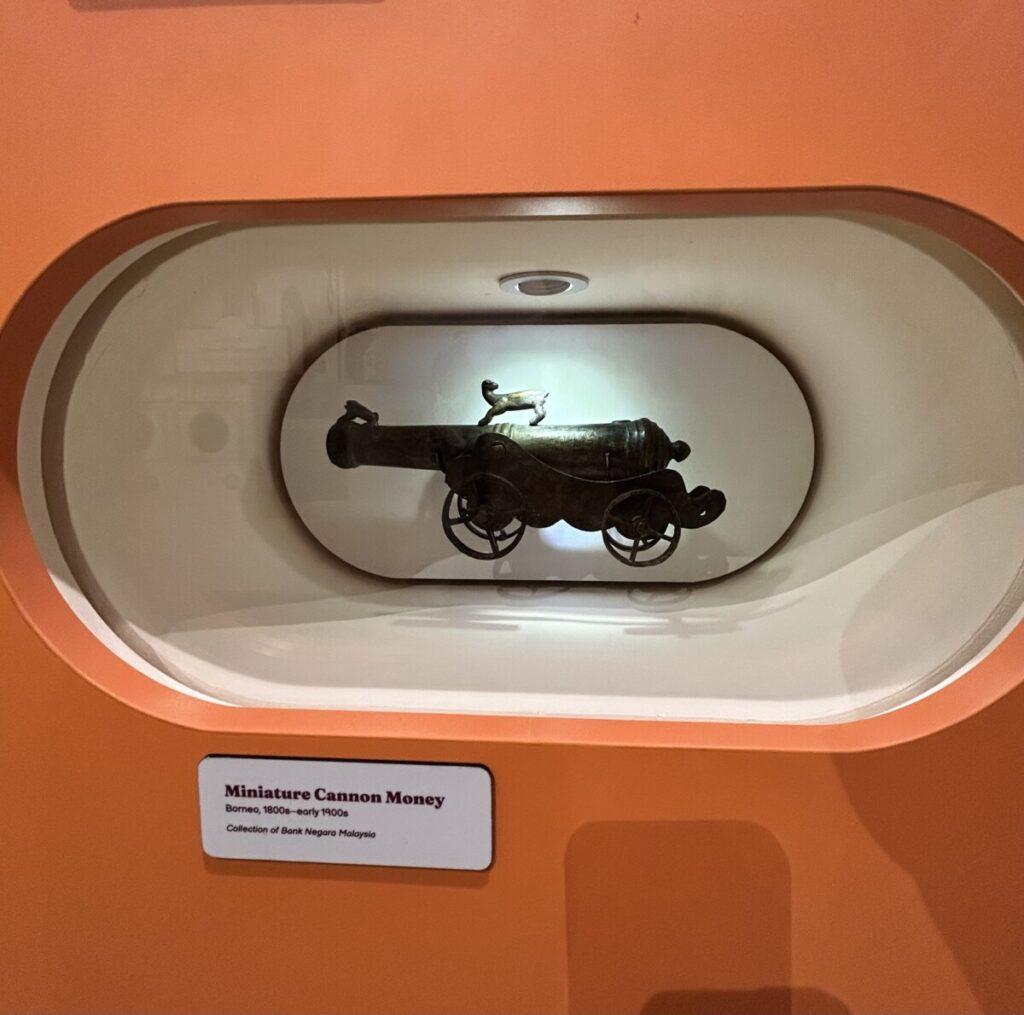
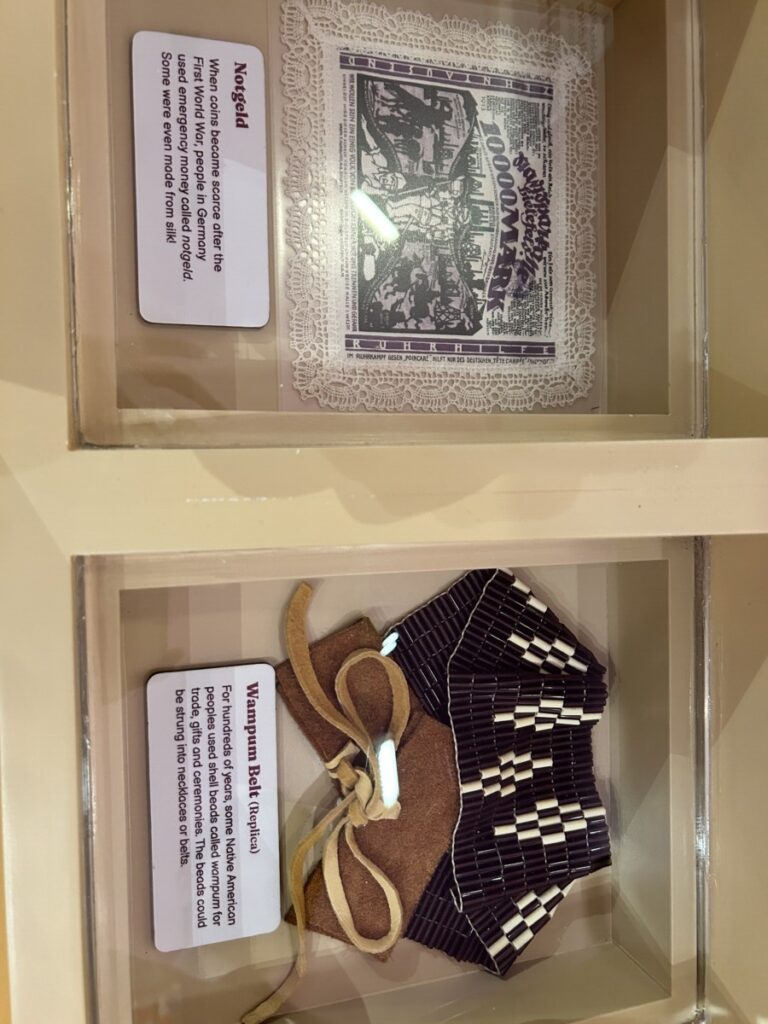
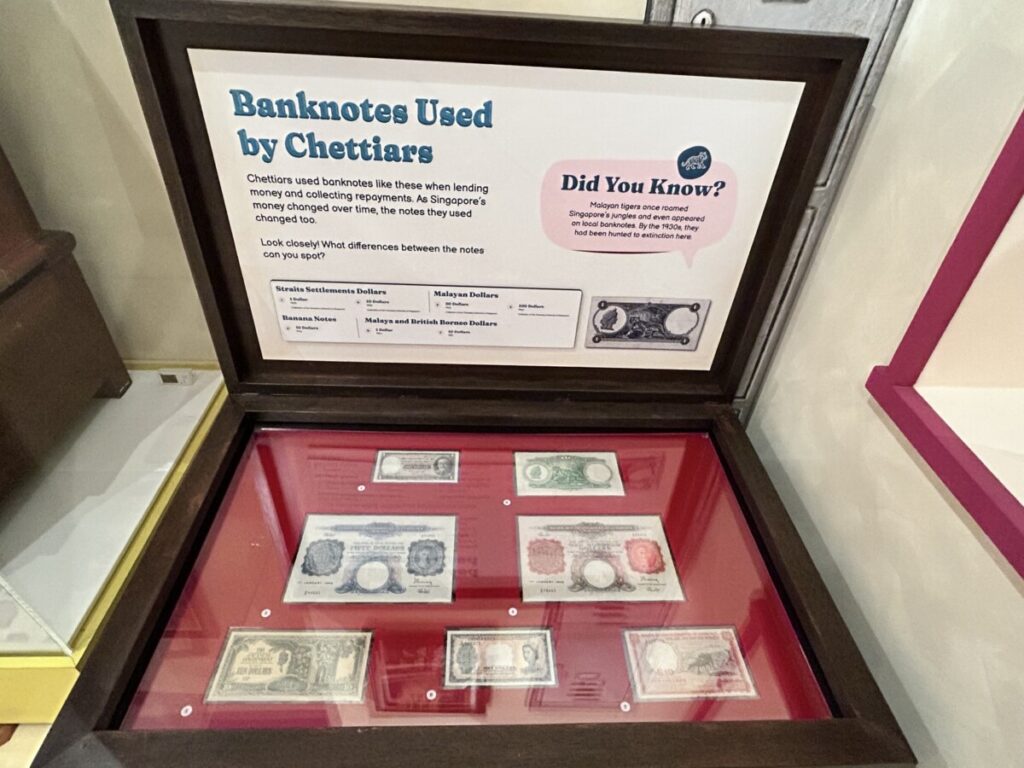
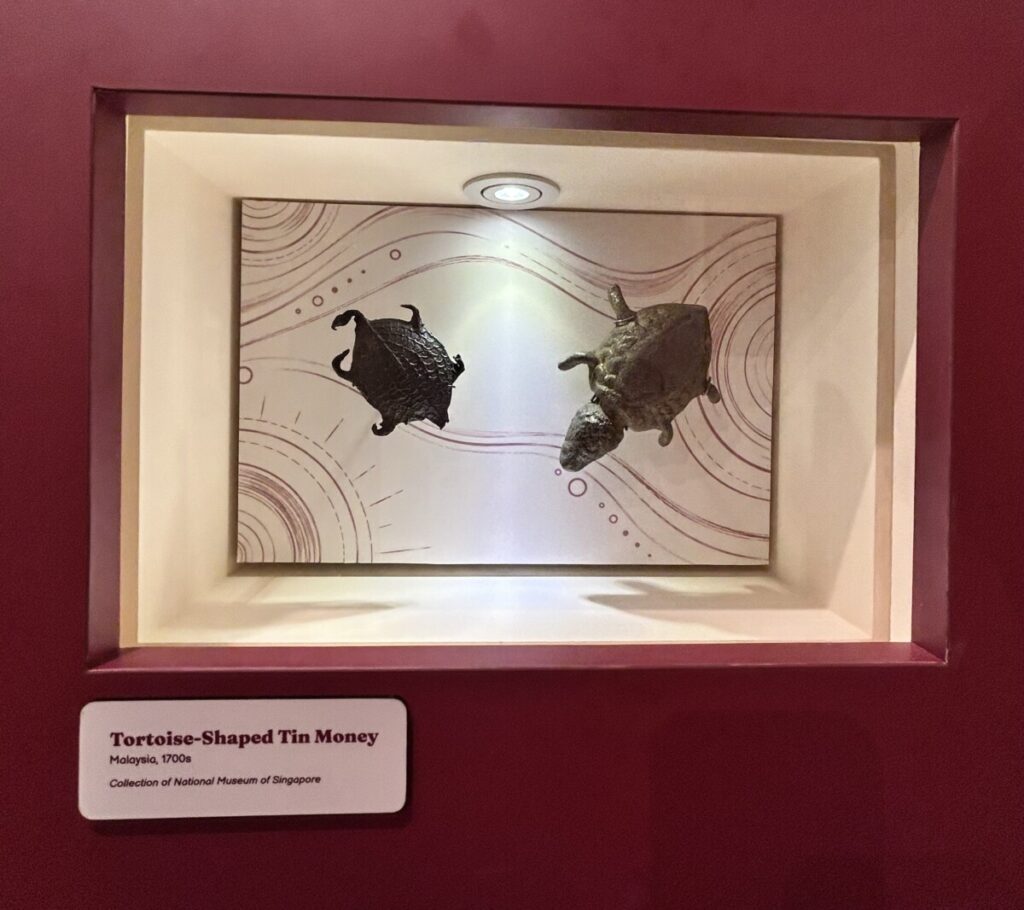
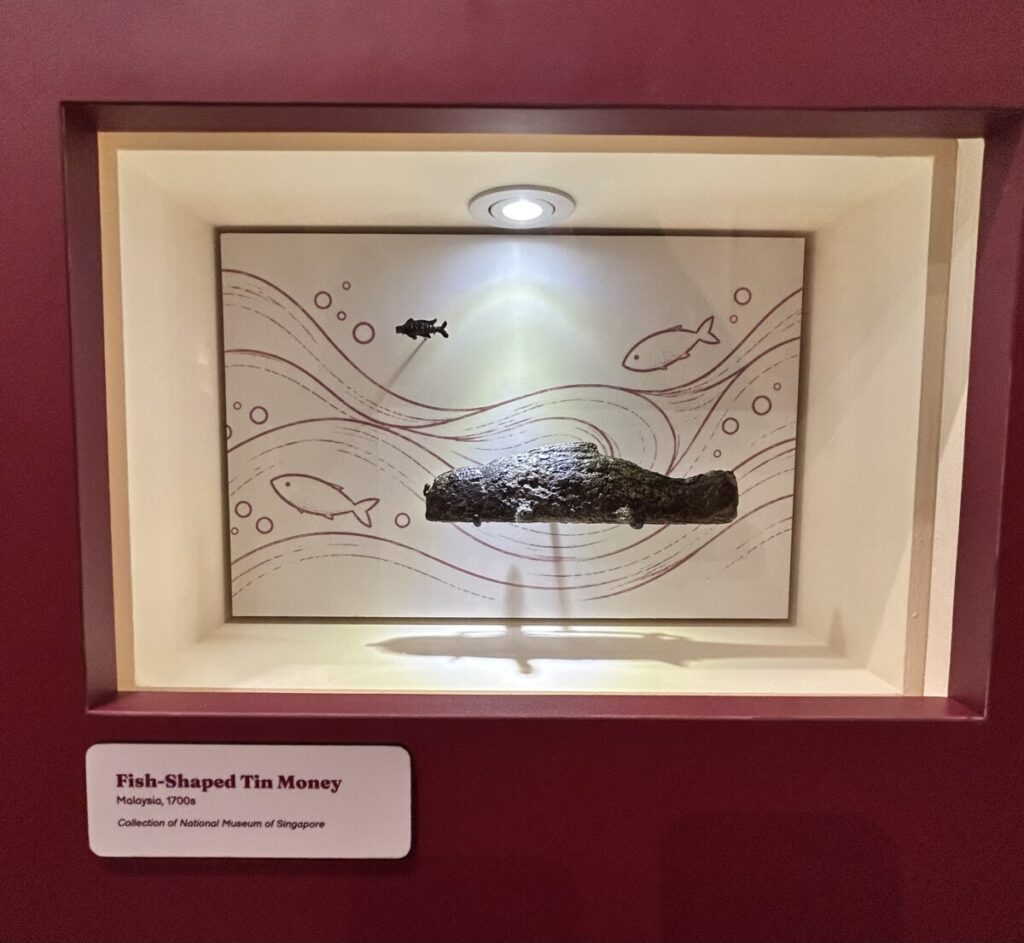
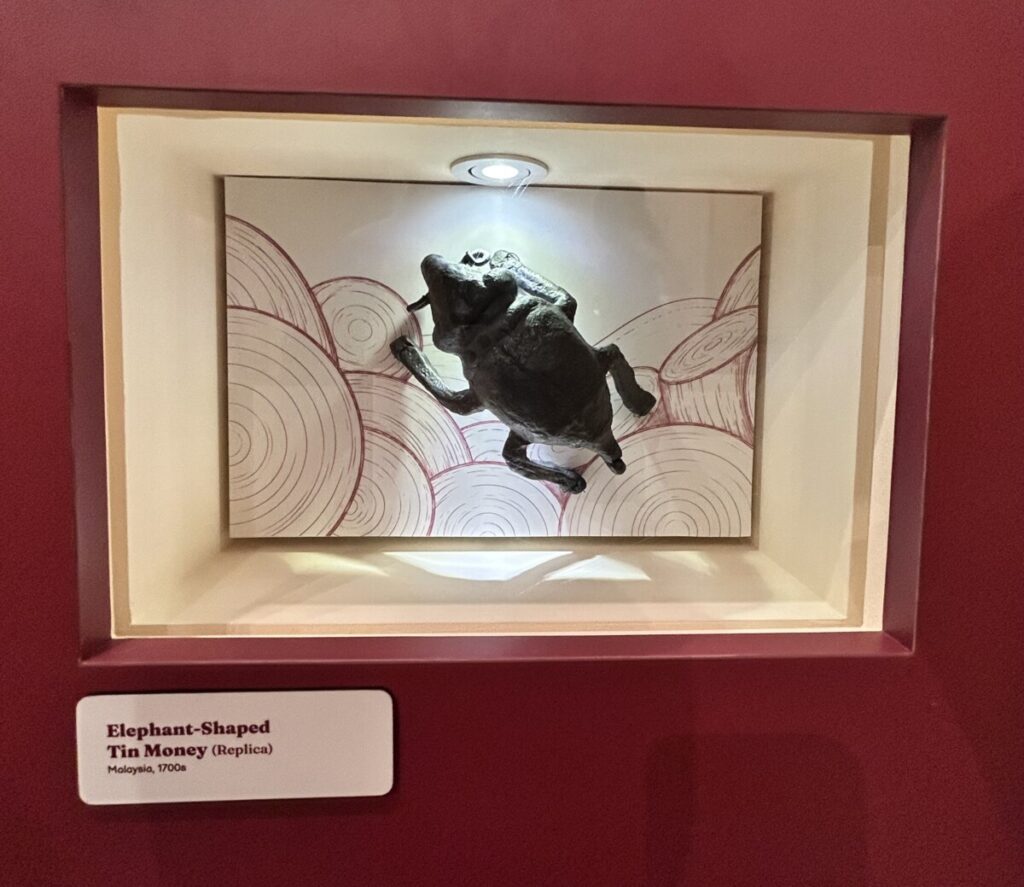
My wallet is small enough already. I am grateful nobody expects me to fit an elephant in it.
The River of Gold gets everyone leaning in
The River of Gold has a long trough, pans and a bright yellow backdrop. Children and adults were bent over their pans, examining what they had collected. I found this a much more engaging way to introduce the value of gold than a panel of explanation.
What caught my attention was the way adults were joining in alongside the children. The activity gives them something to do together and something concrete to talk about afterwards. Did finding a little take more work than expected? What would make a find worth keeping?
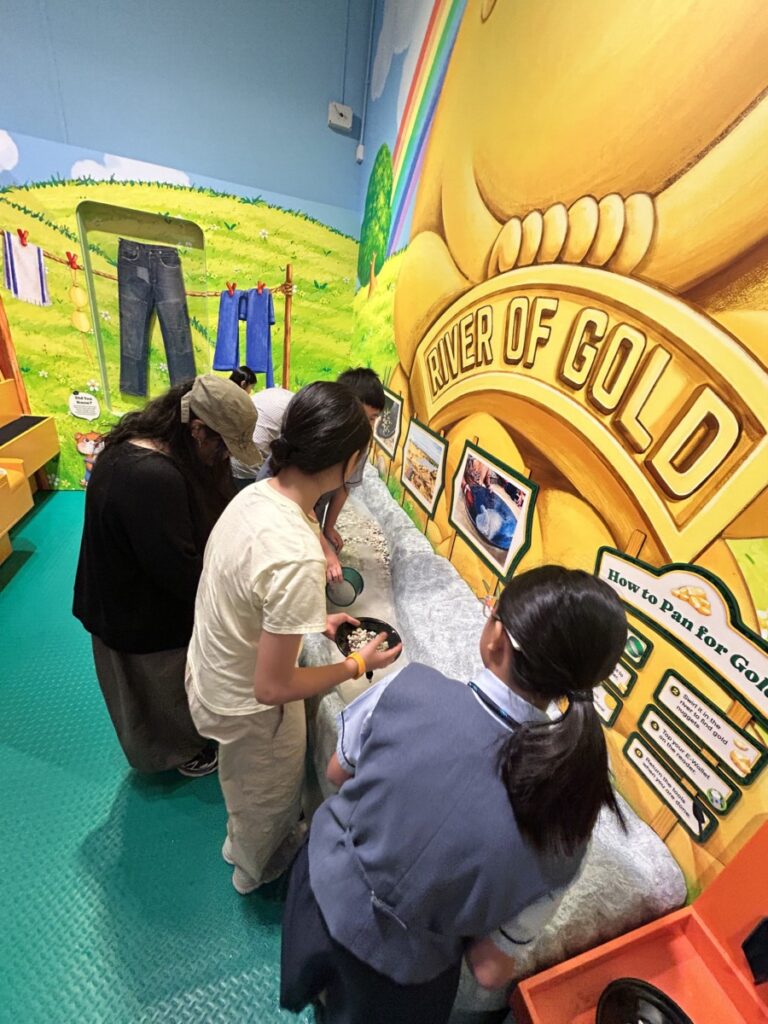
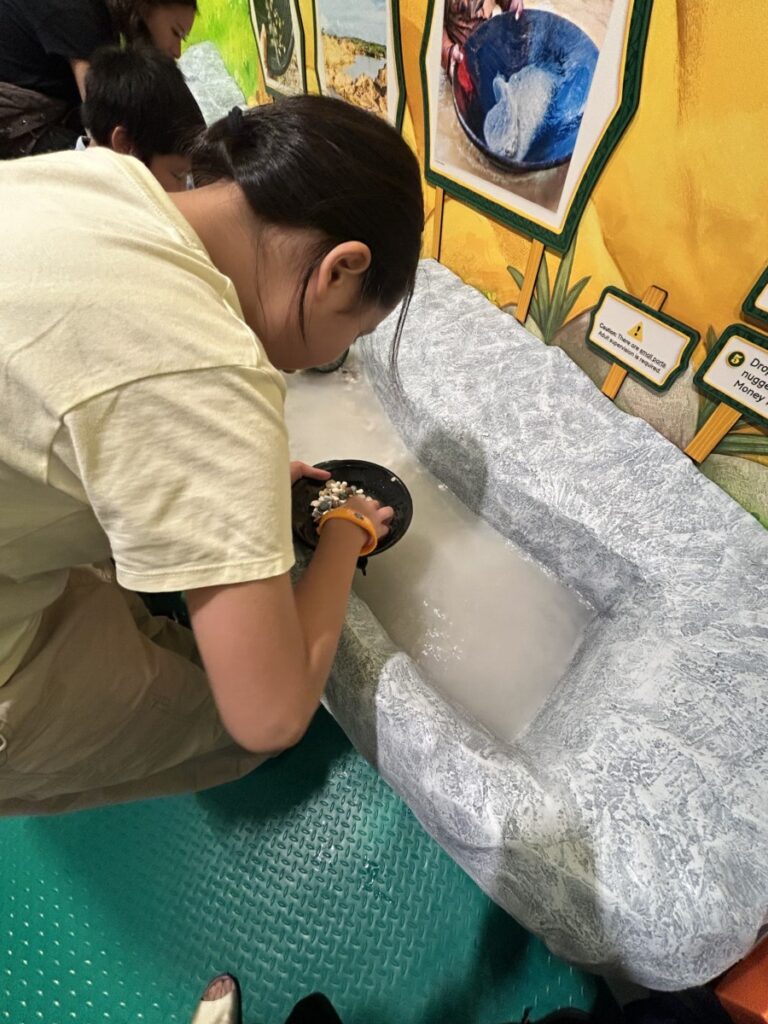
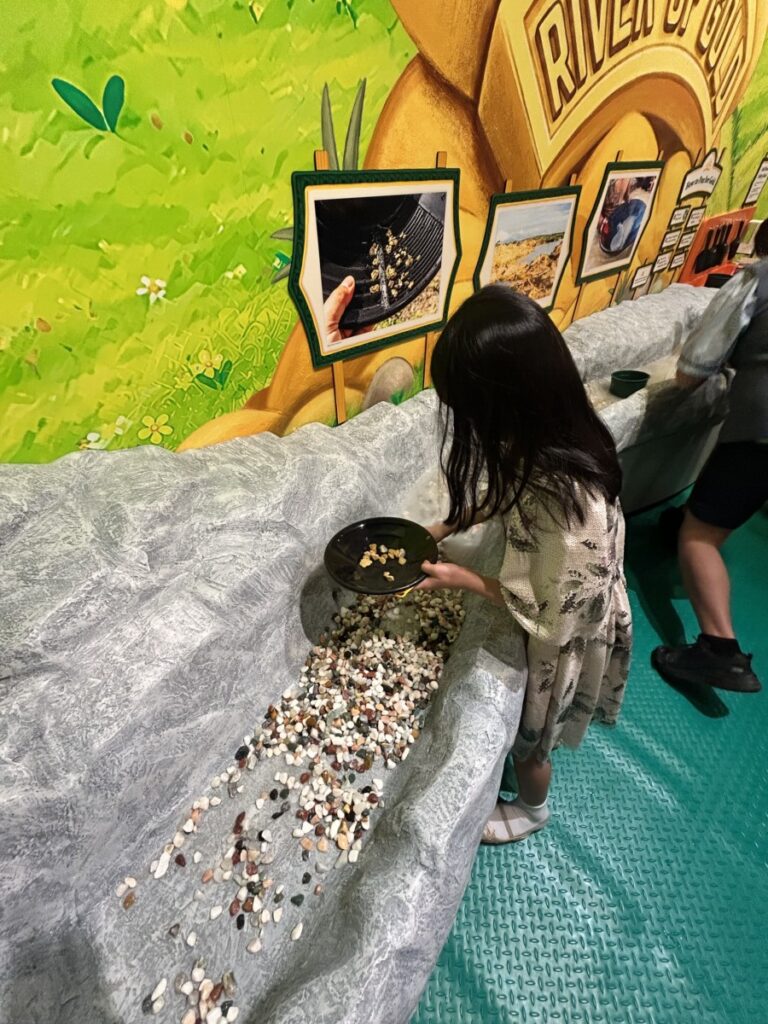
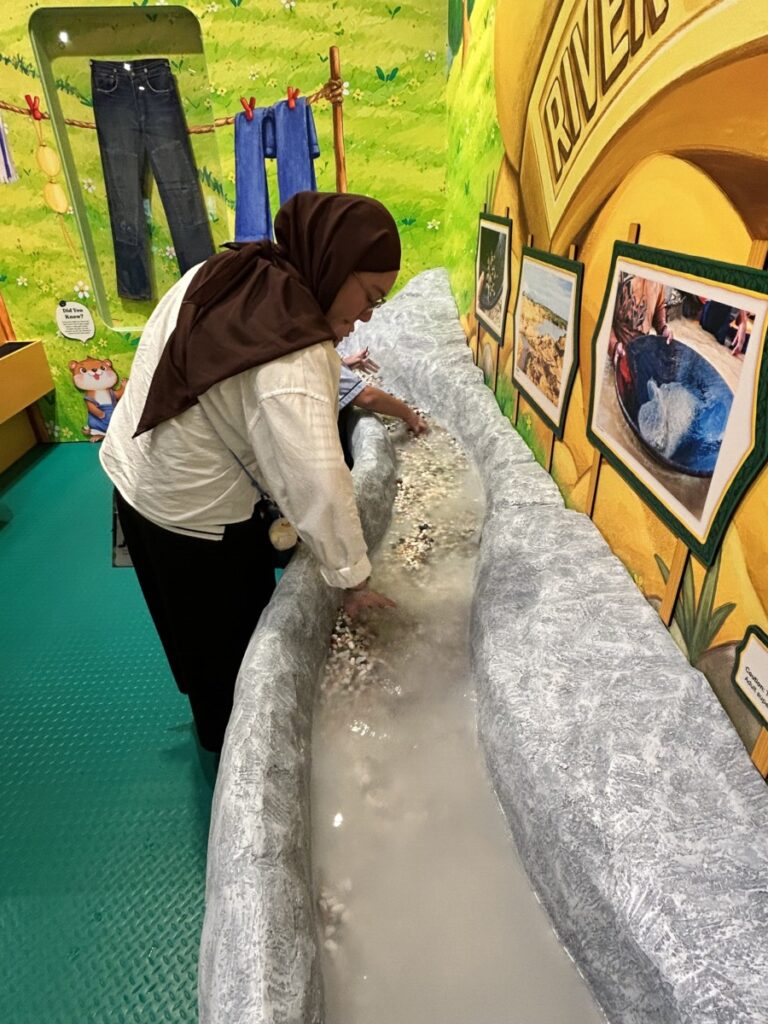
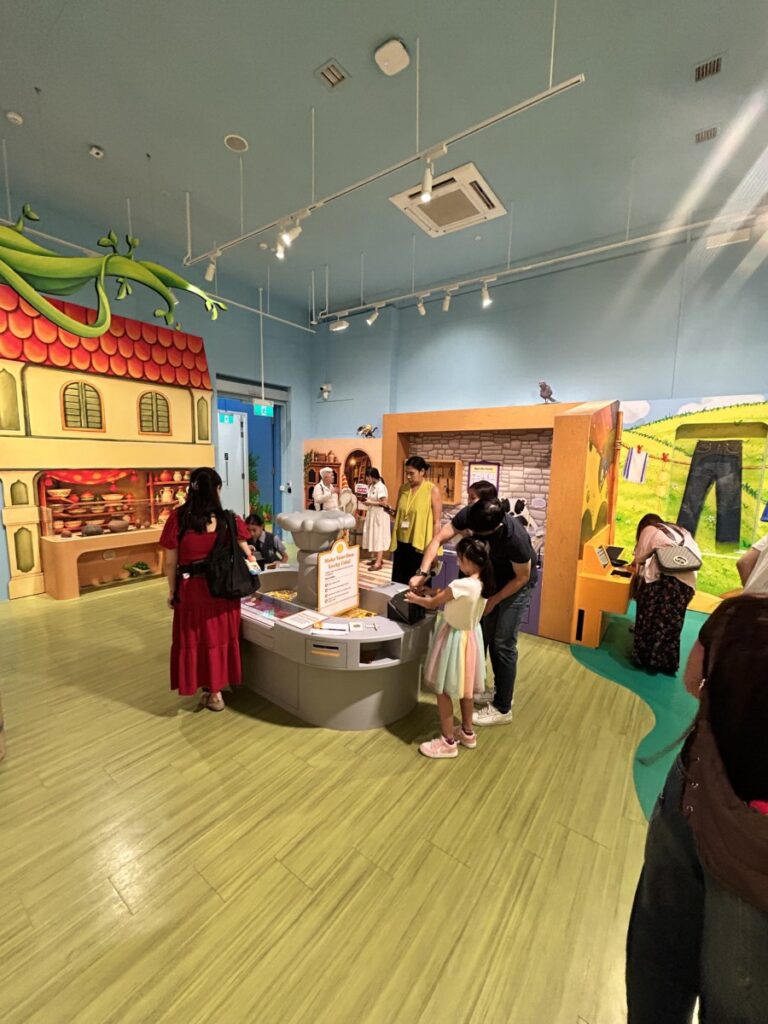
Everyone is looking for gold. At least this search comes with its own pan.
Coins, tools and places to put the savings
Nearby, I found historical tools and containers alongside a circular coin activity table where children were getting hands-on. There are close-up displays to inspect and hands-on stations to try.
I would let the children set the pace here. There is no need to turn every case into a quiz. An unusual object can be enough to start a question, and the answer on the label is there when they want it.
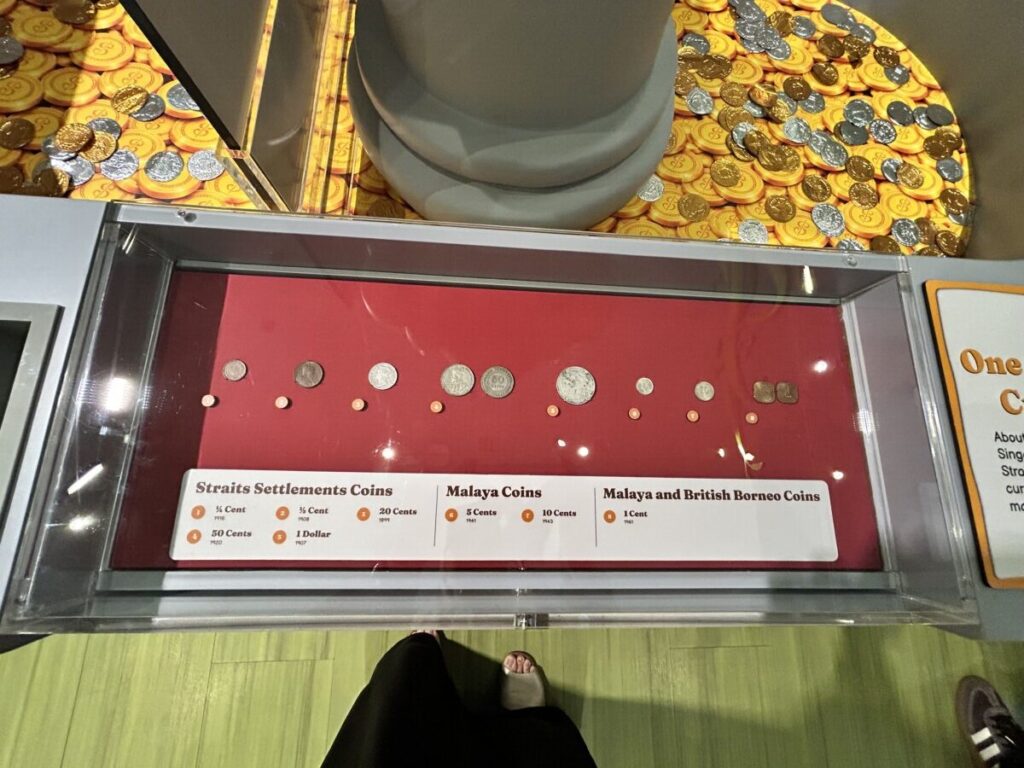
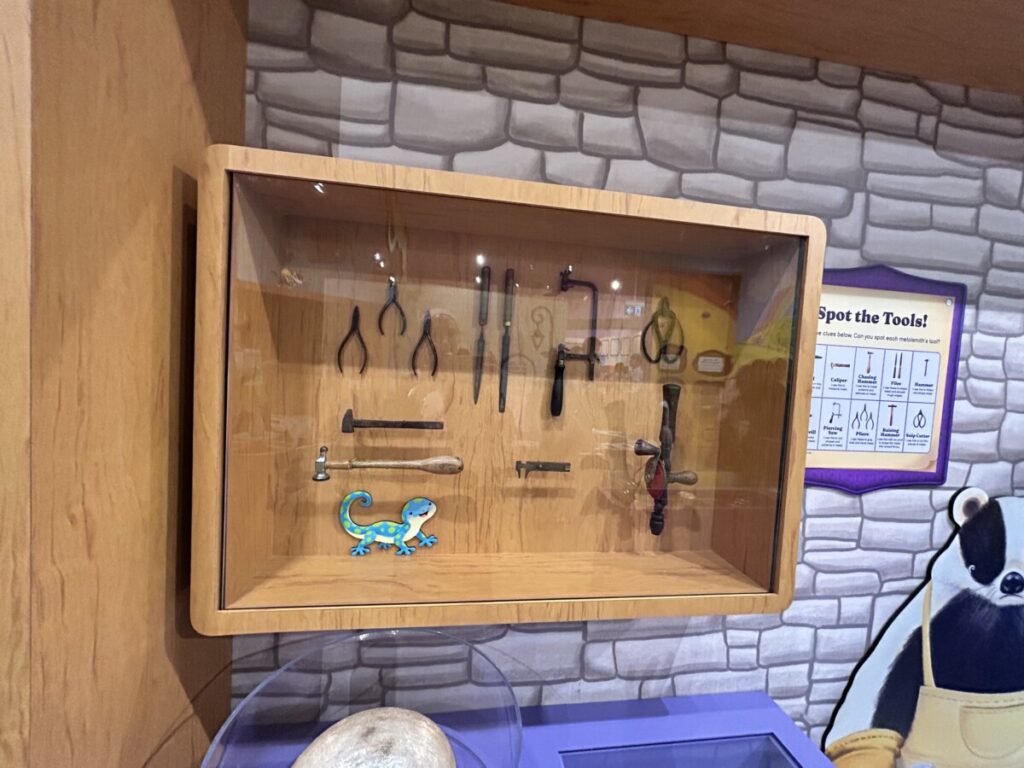
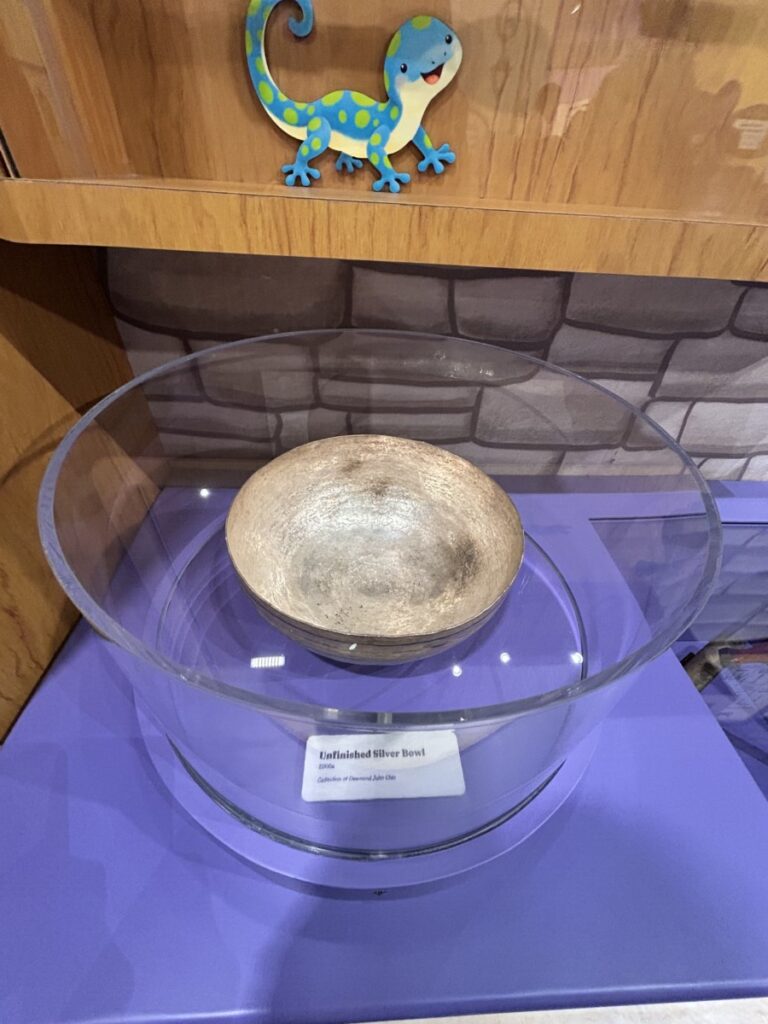
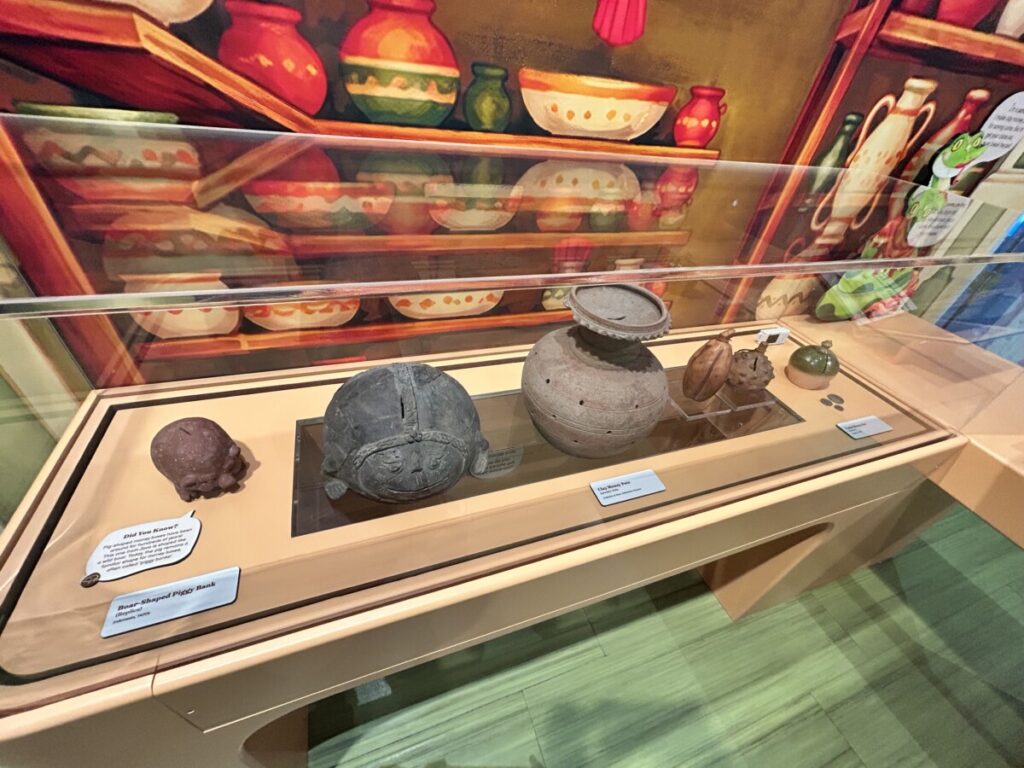
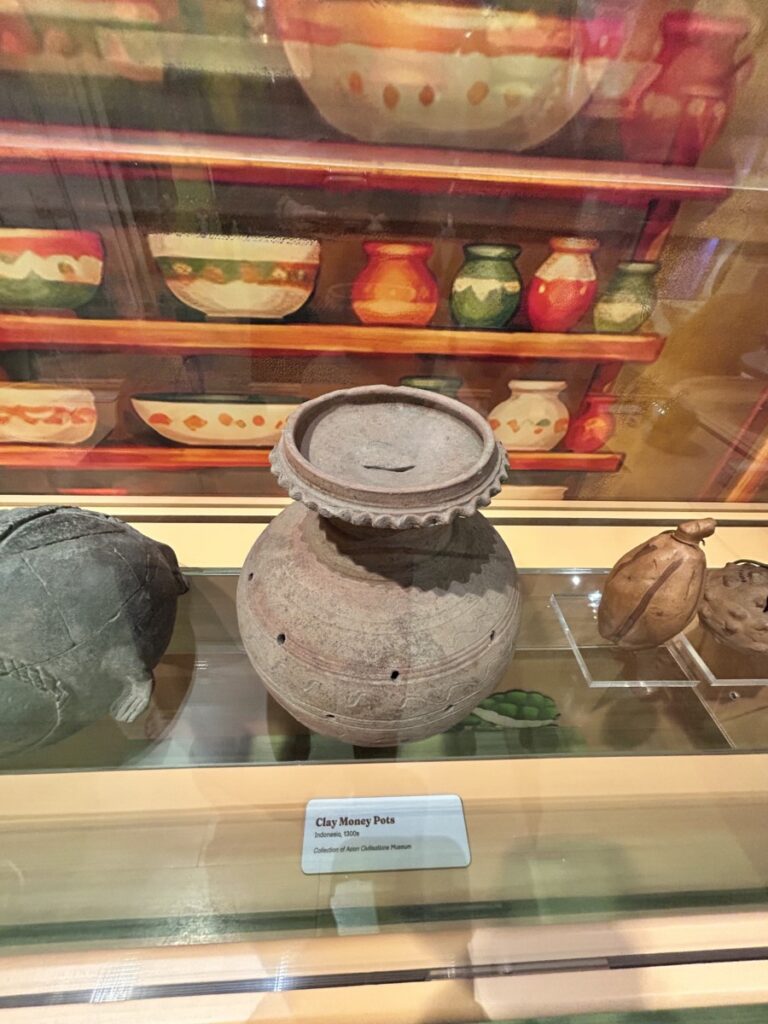
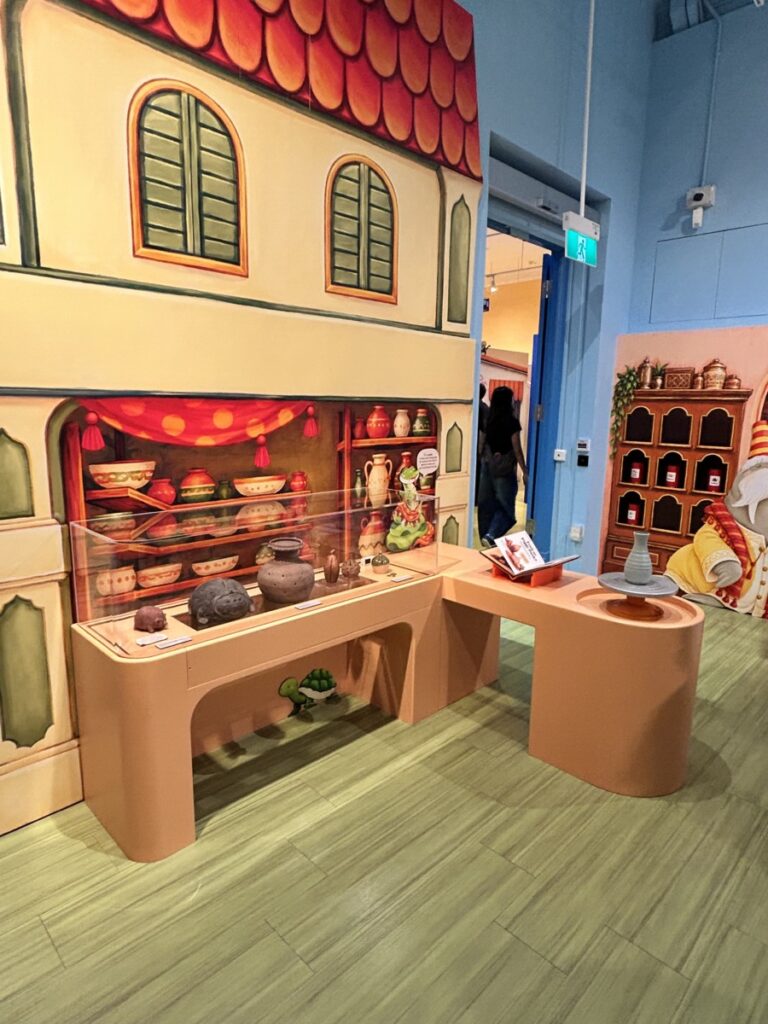
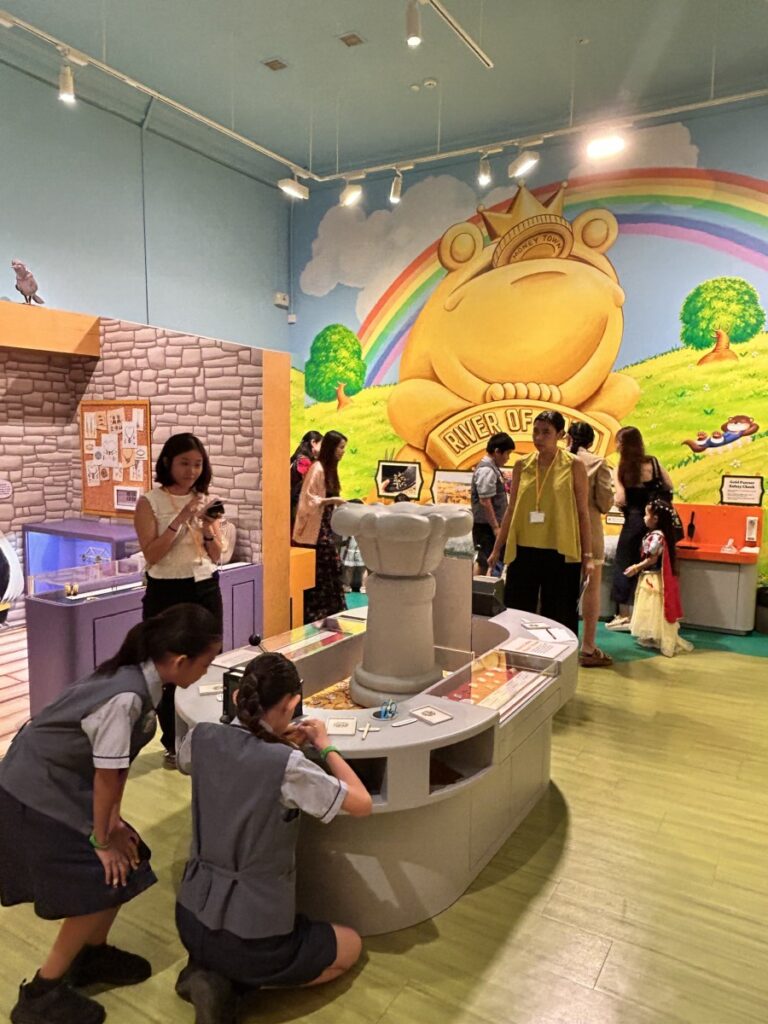
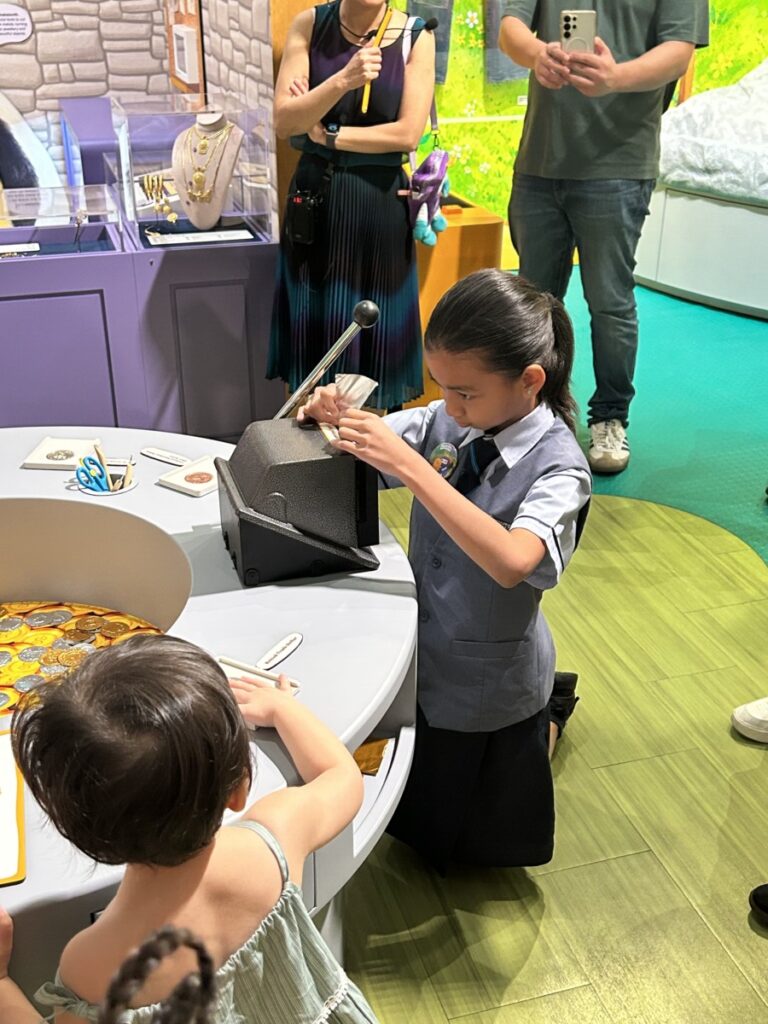
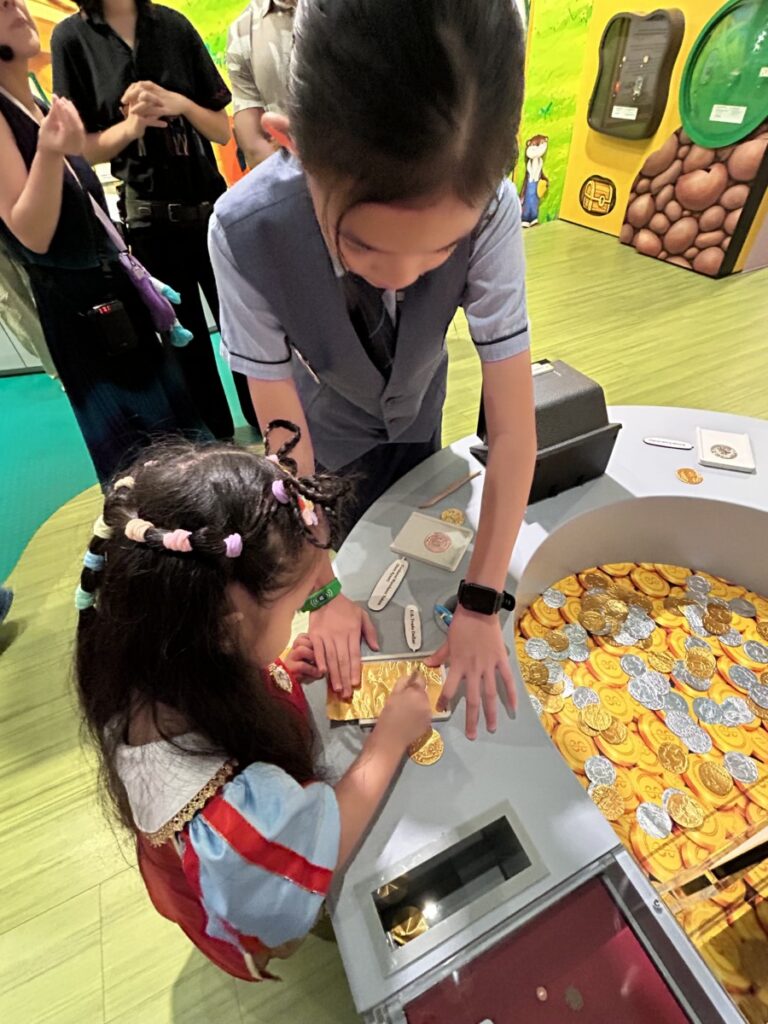
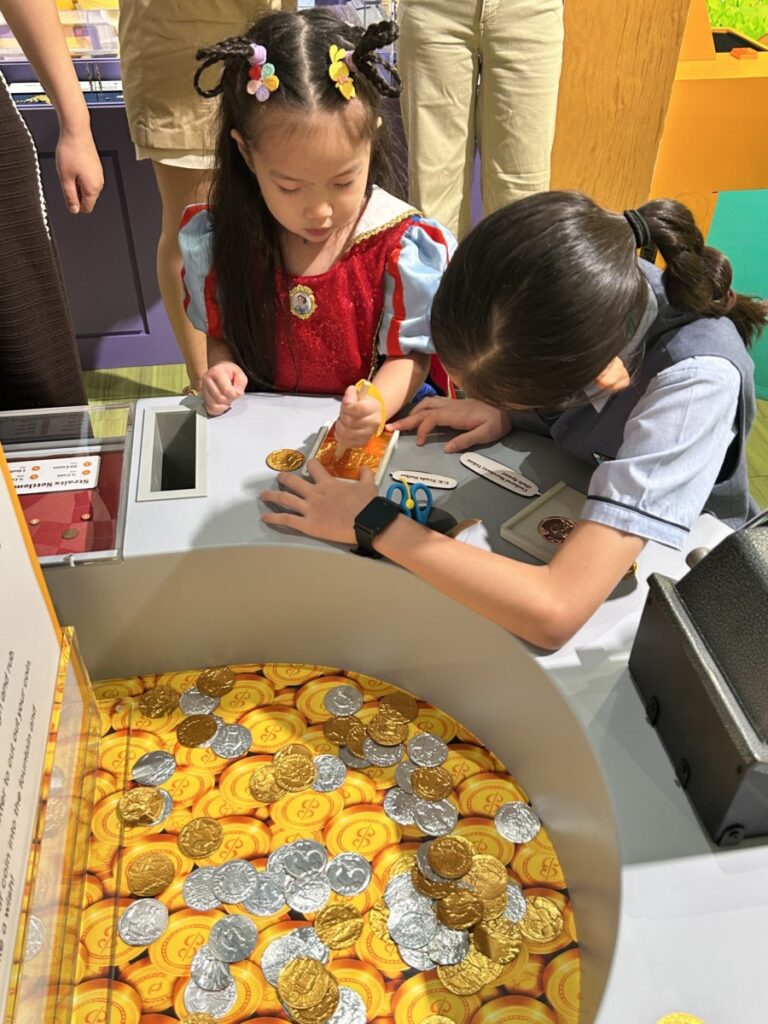
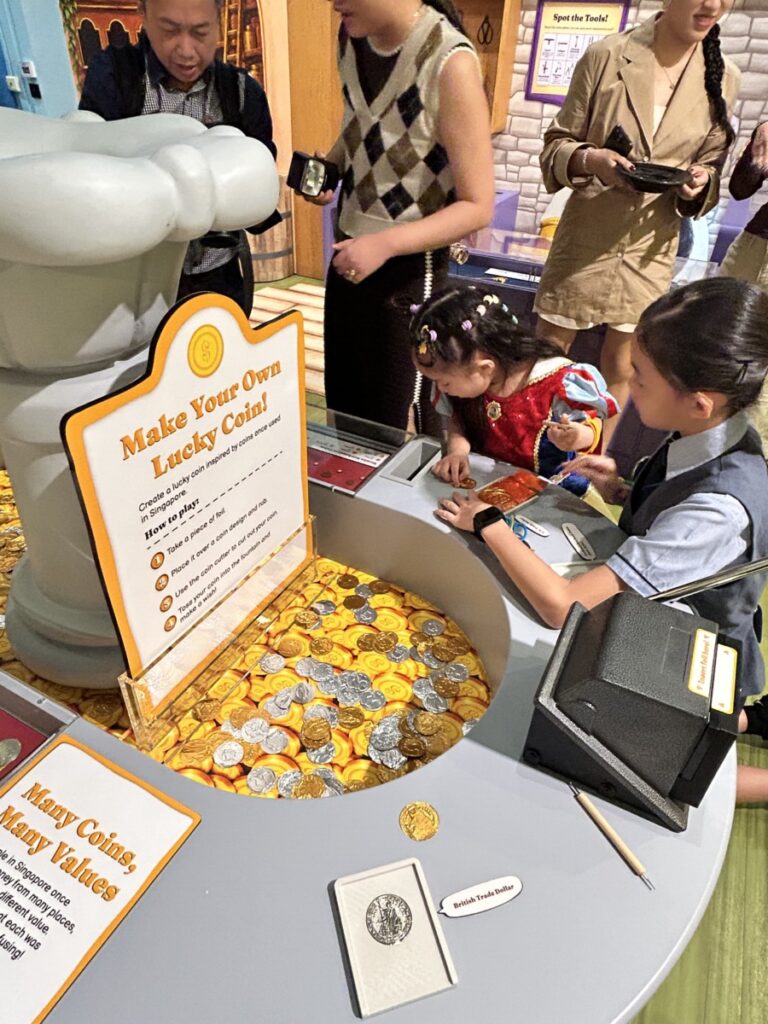
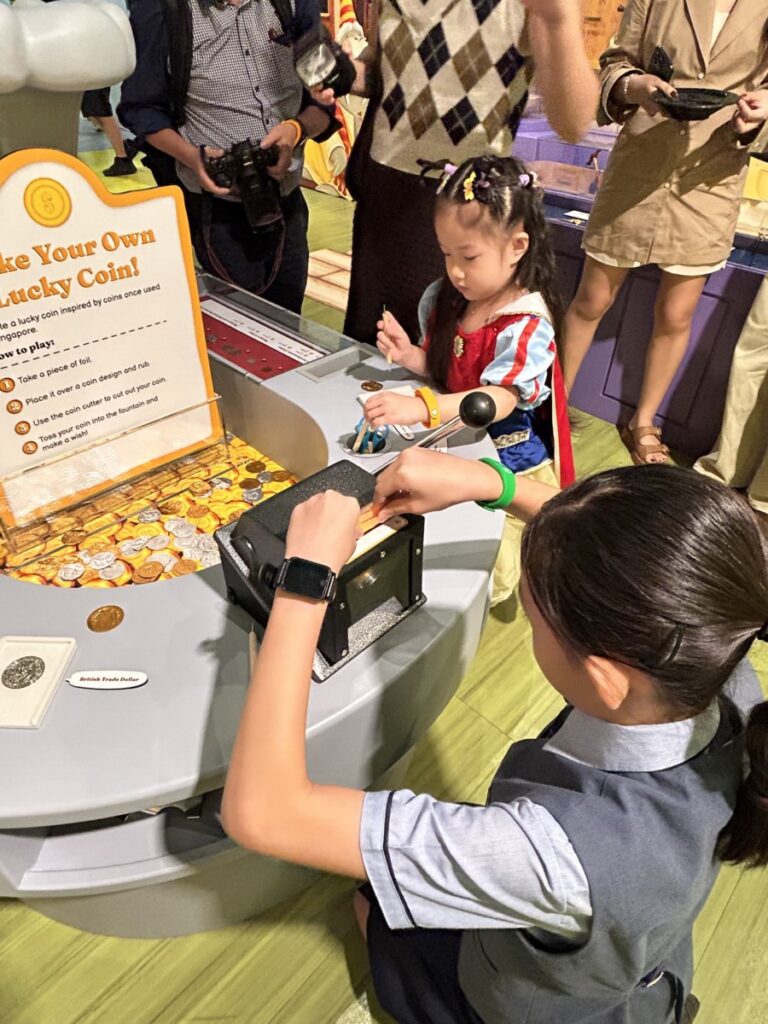
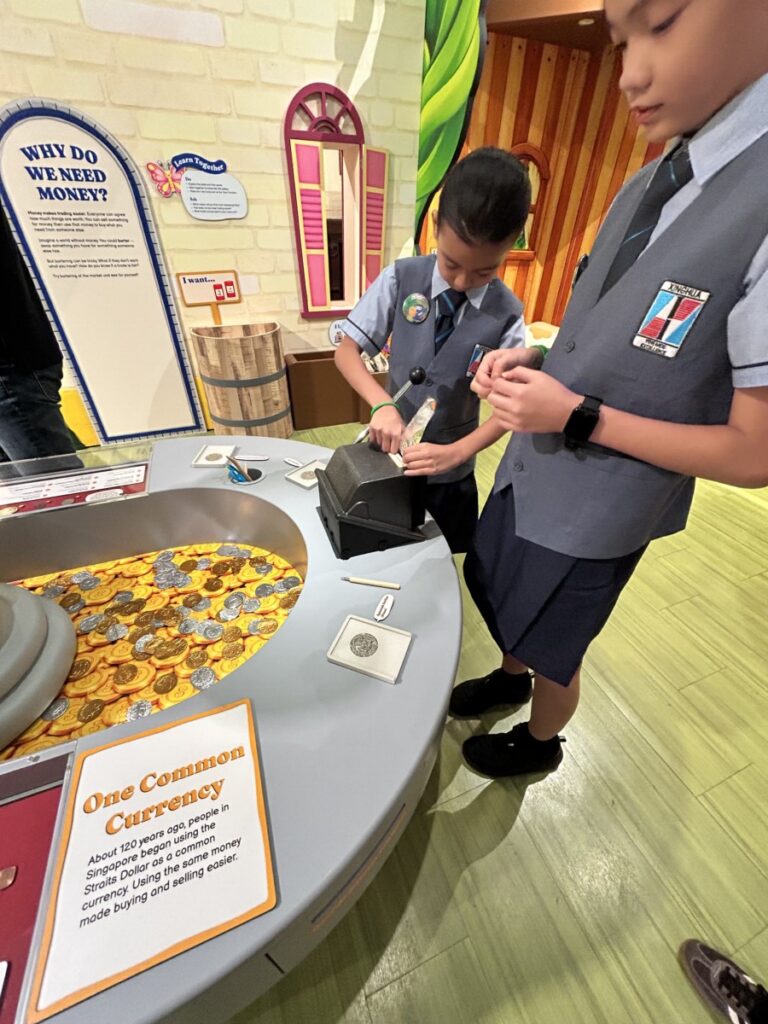
Plenty to examine before anyone declares themselves the household treasurer.
A bank, a savings nursery and a loan race
Downtown takes the subject into more familiar territory. There are activities for supermarket budgeting, printing Money Town Dollars, growing savings, investing and racing to repay loans.
The Bank of Money Town caught my eye with an investing game that uses a Pineapple Index, complete with buy and sell options. The nursery presents savings through a screen filled with growing trees.
There is also a loan activity with a large wheel and a moving game on the screen. I appreciate the chance to introduce borrowing as something that has to be paid back. I like how the activity makes repayment something children have to work at, rather than just a word on a panel.
I would use these activities to ask what happened after a choice, rather than concentrate on who ended with the biggest number. What did you keep? What did you spend? Would you try something different next time?
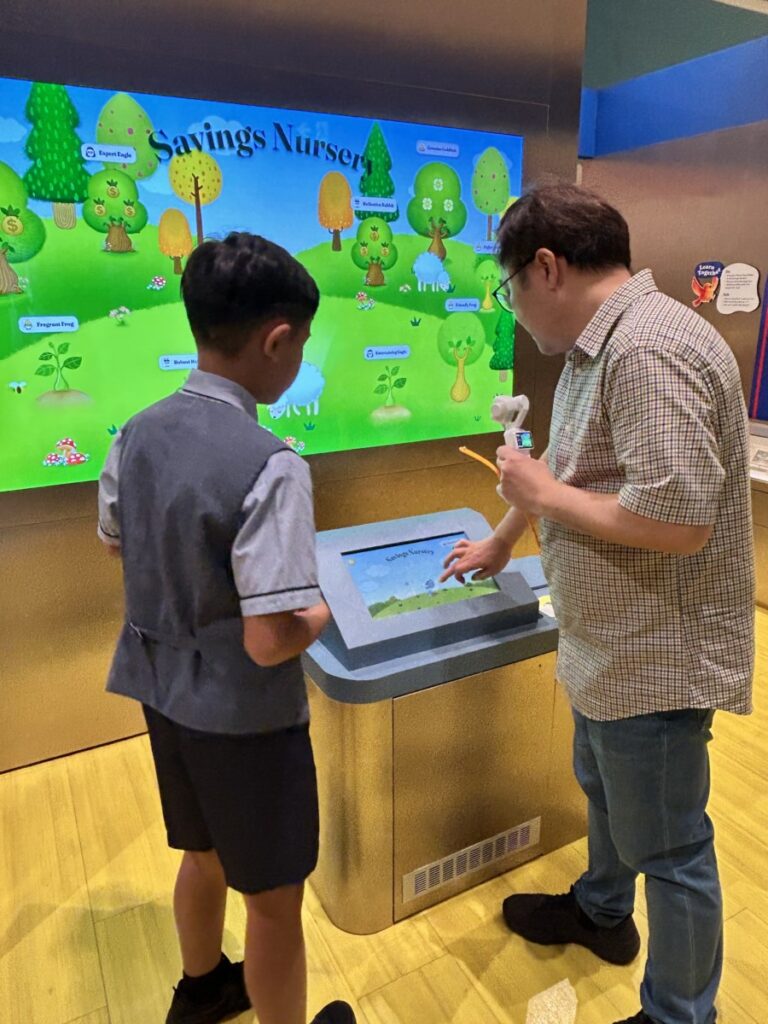
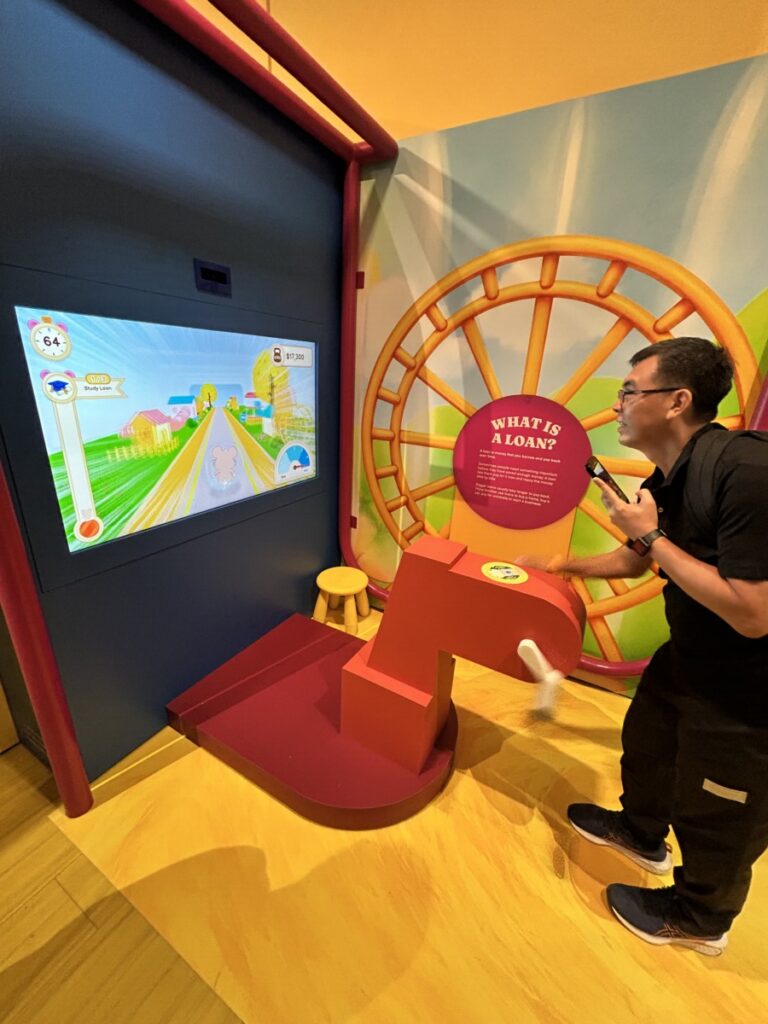
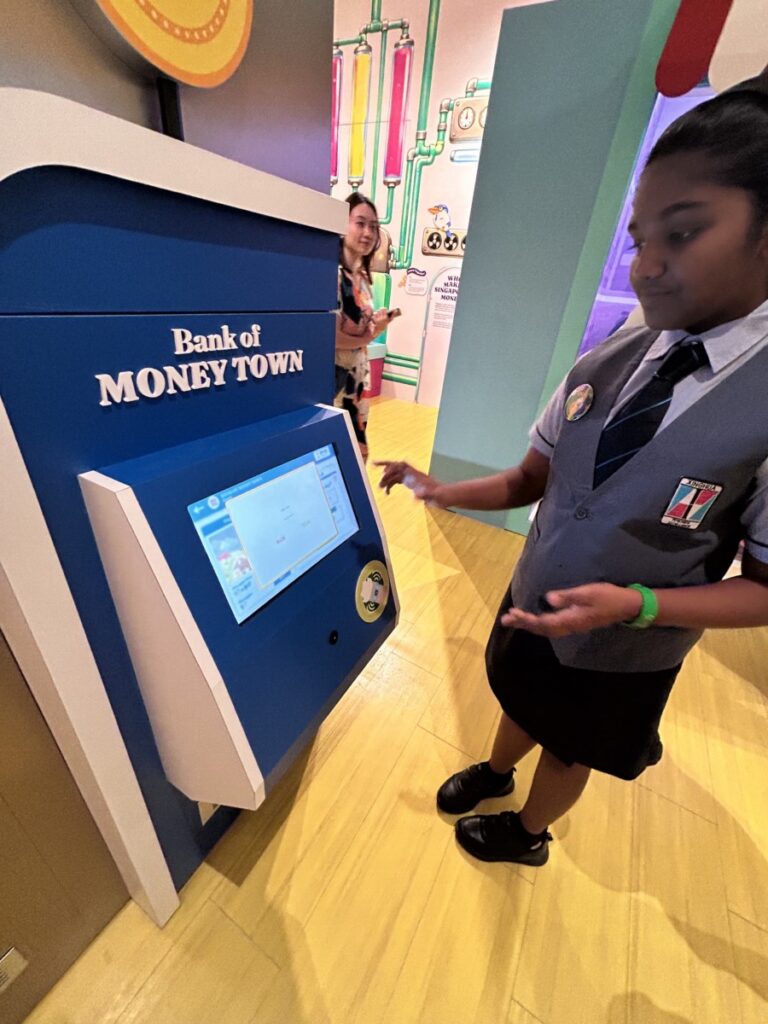
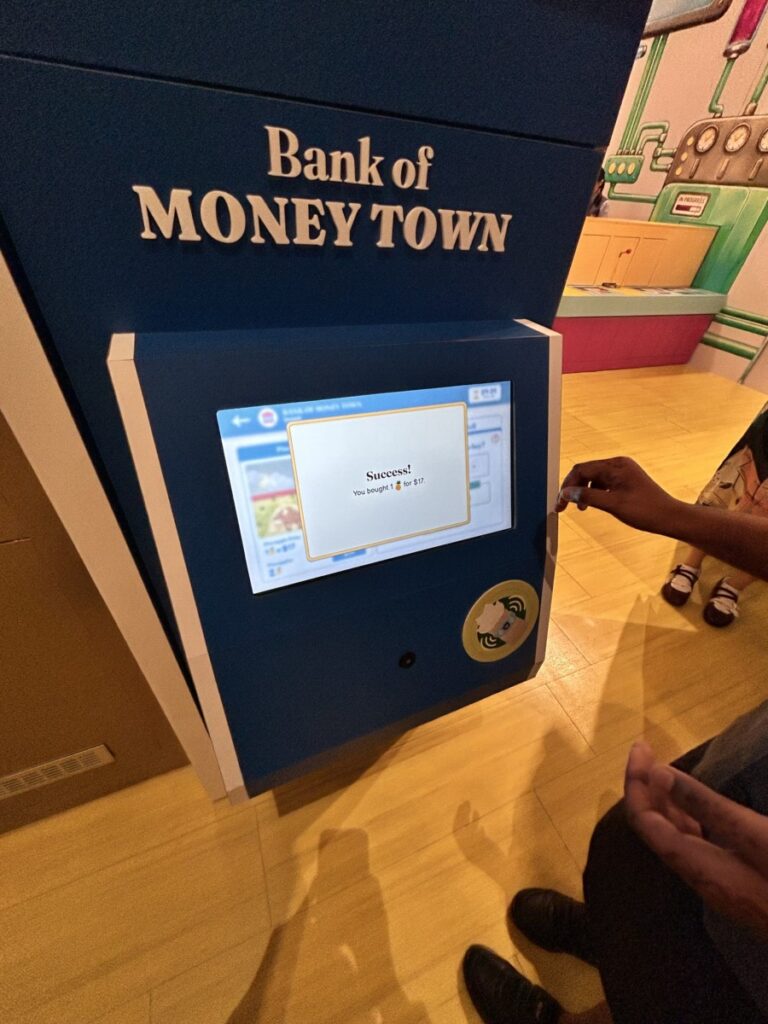
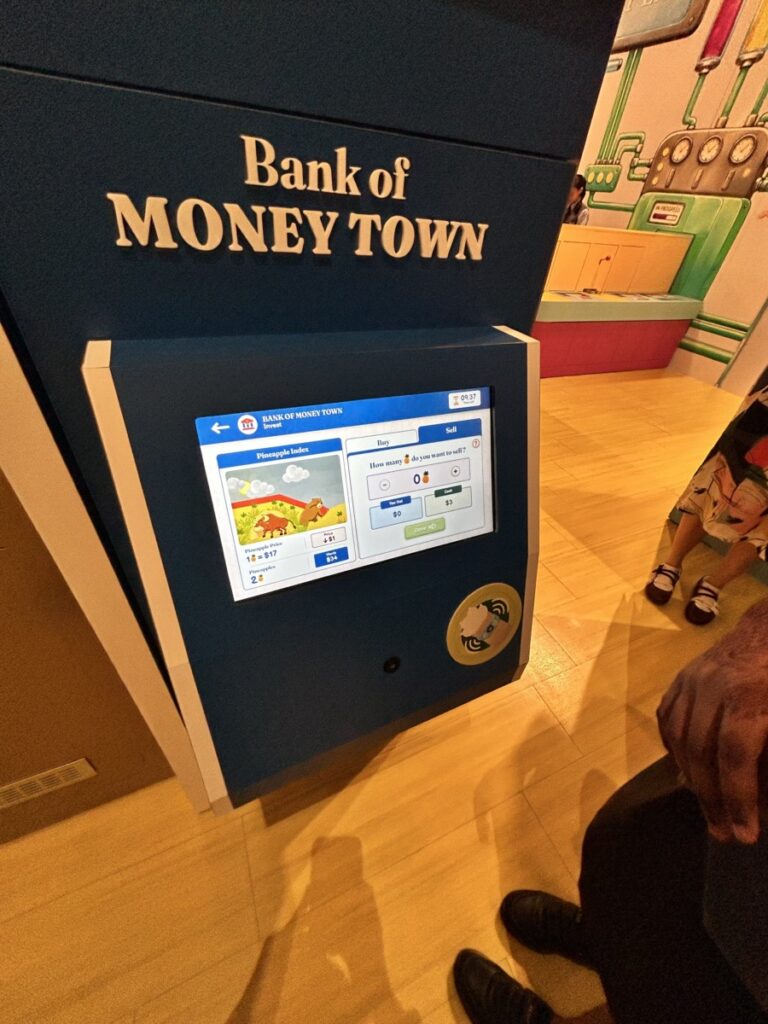
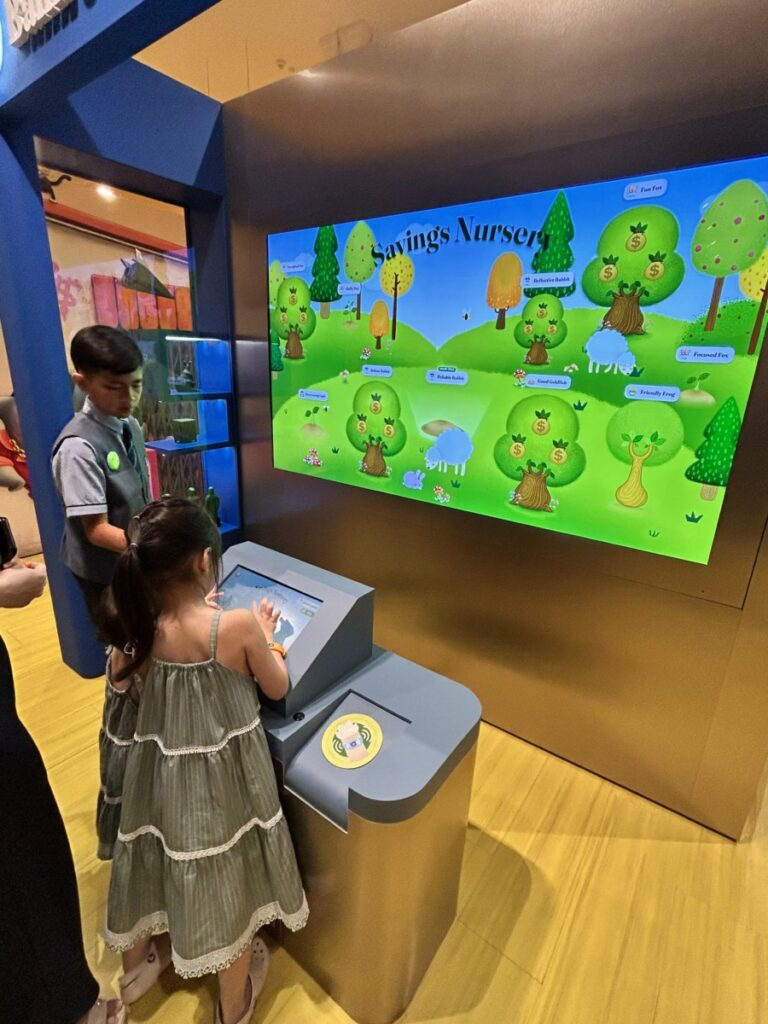
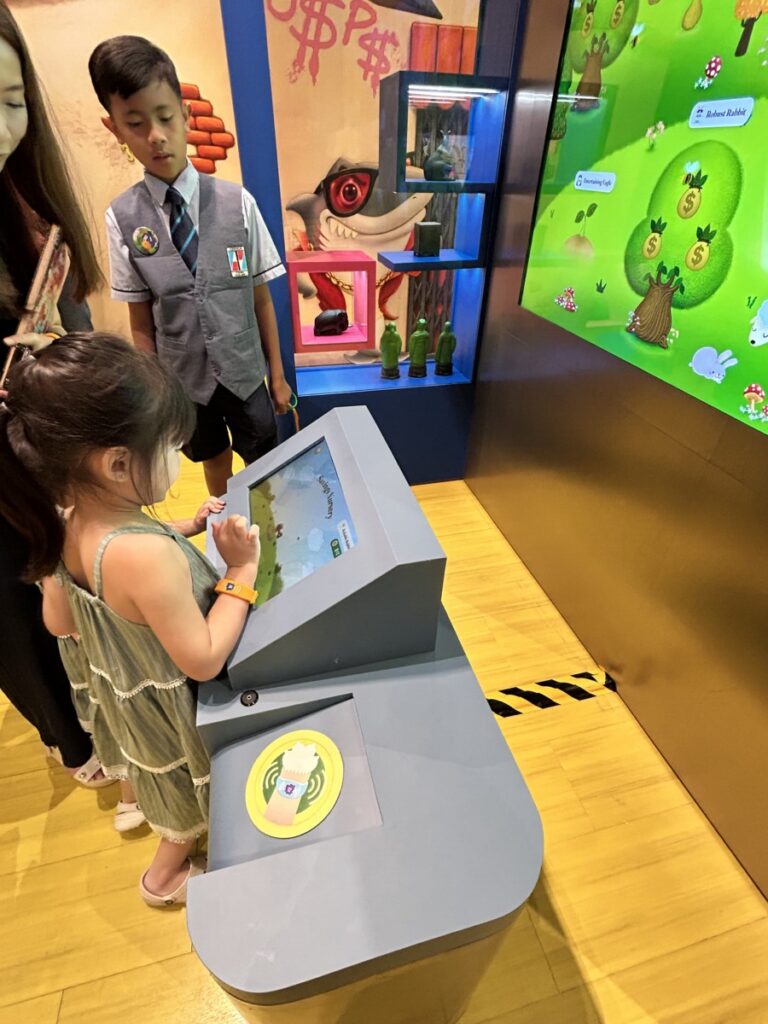
The Pineapple Index is considerably more appealing to look at than my usual banking screen.
The suspicious phone call has its own corner
The telephone station was another one that caught my attention, with a screen, answer buttons and a jail backdrop beside it. The museum’s scam-awareness activity turns a suspicious approach into something children can practise responding to.
One screen instructs the player to hang up the phone to keep playing. I liked that small design detail: children handle a real receiver as part of the screen activity. The response becomes an action, rather than just something to read.
I would carry the conversation home from here. If someone offers a prize or asks for information, who can you check with before doing anything? There is no need to make the subject frightening to make that pause useful.
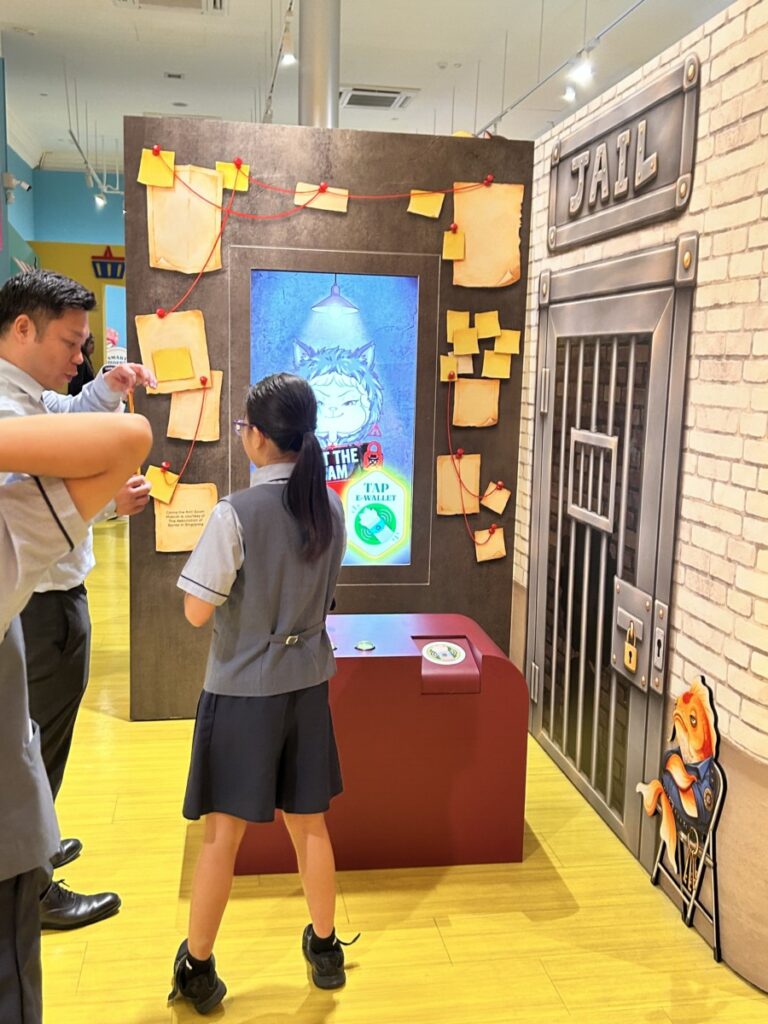
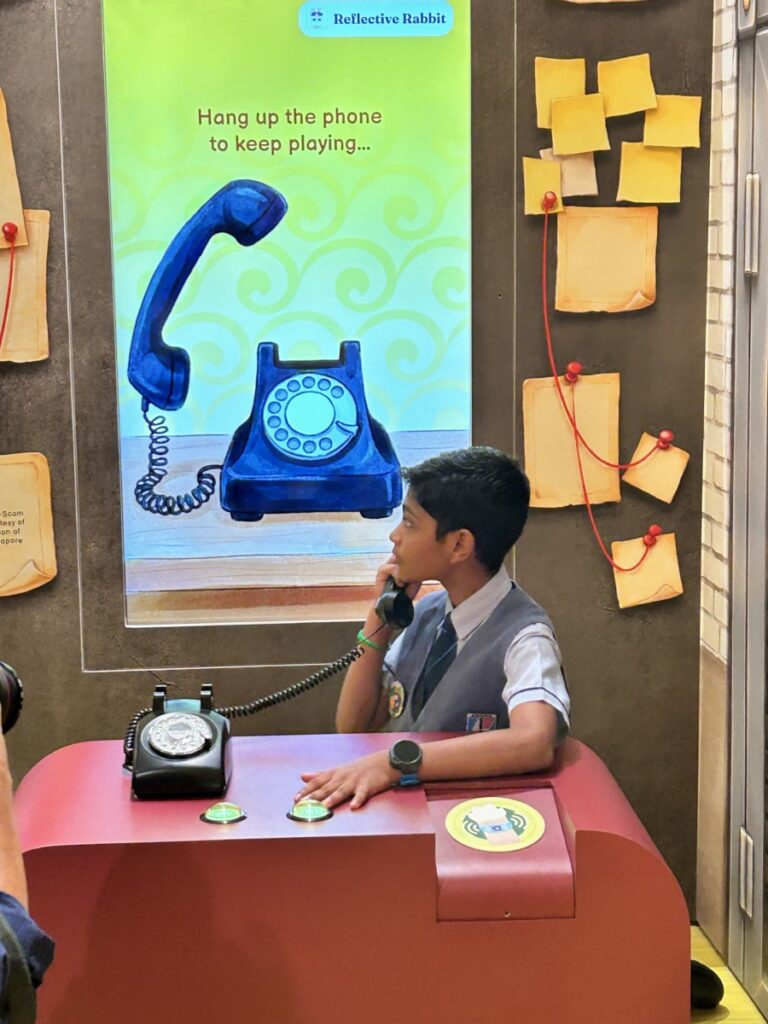
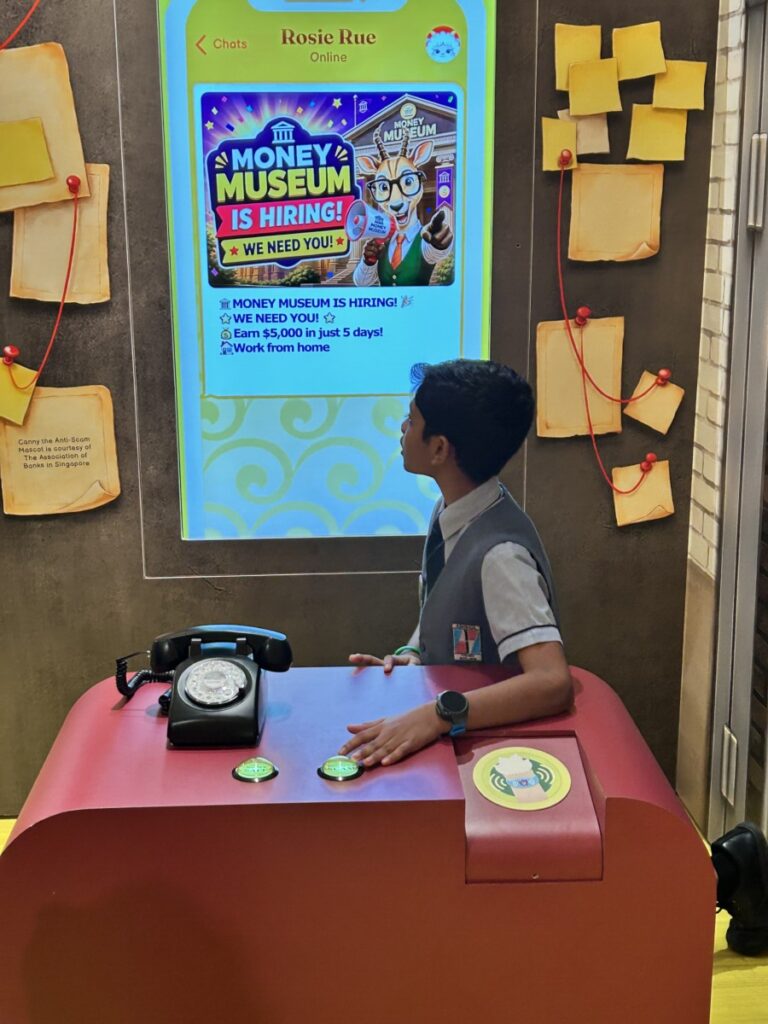
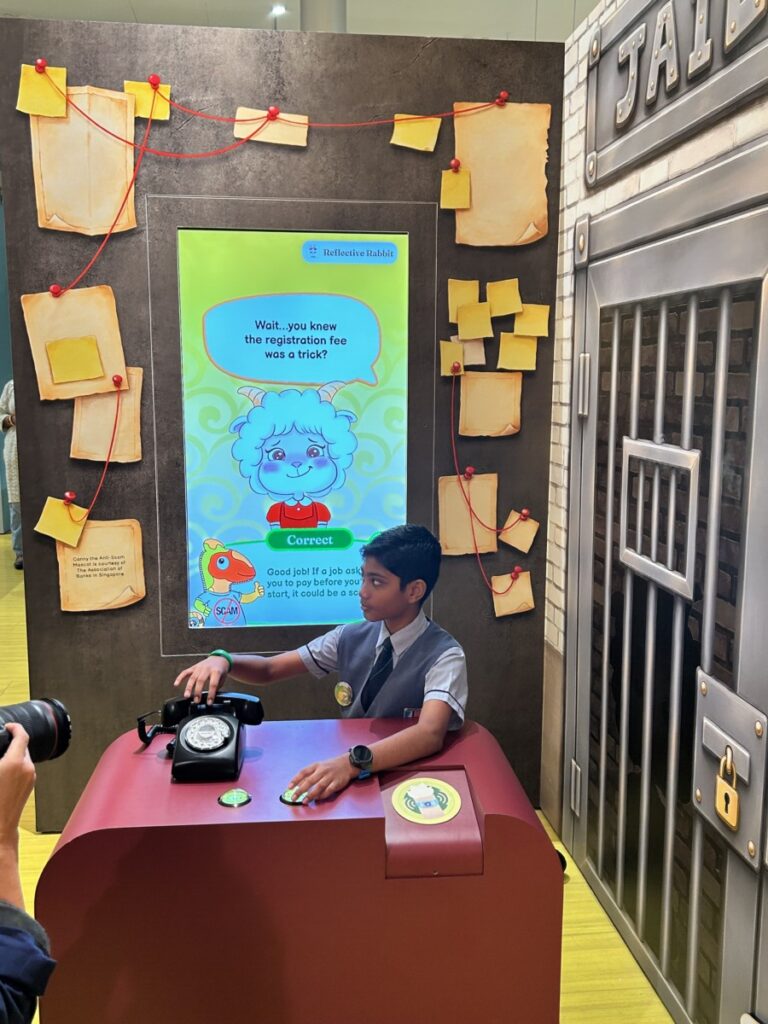
A telephone call you can practise ending. A useful skill at any age.
What would you keep safe?
The display asking what gives value was another one that held my attention. It brings together a camera, trading cards, festive envelopes, collectible toys and other possessions. Not everything meaningful has the same meaning to everyone.
A nearby safe has three dials to turn and a large handle. There is also a lift-the-gold-bar challenge. Those two activities sit neatly with the bigger question: what is valuable, and why do we want to protect it?
A favourite toy may be a much better starting point for that conversation than its shop price. I would be interested to hear what children choose, especially when the adults would choose something completely different.
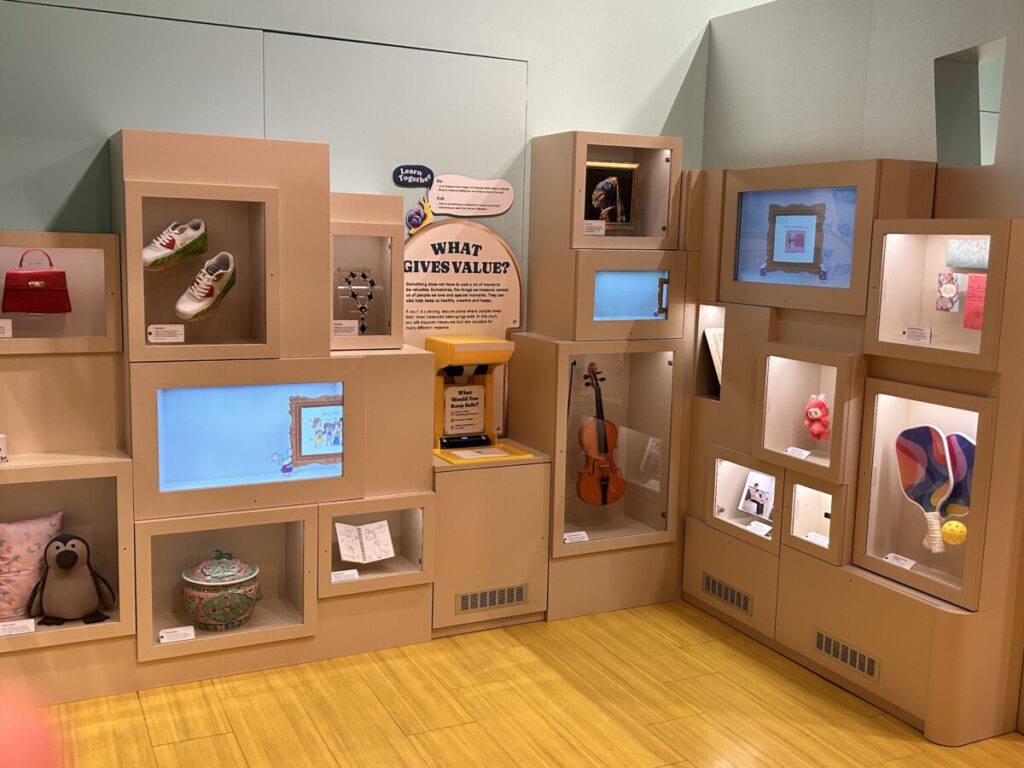
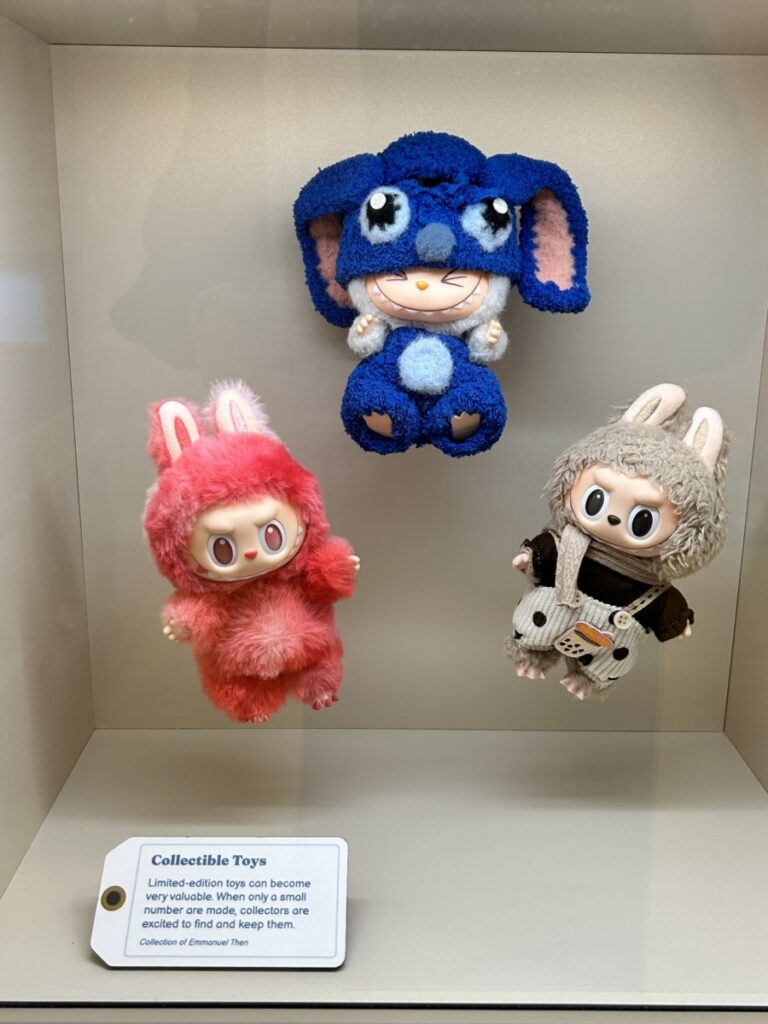
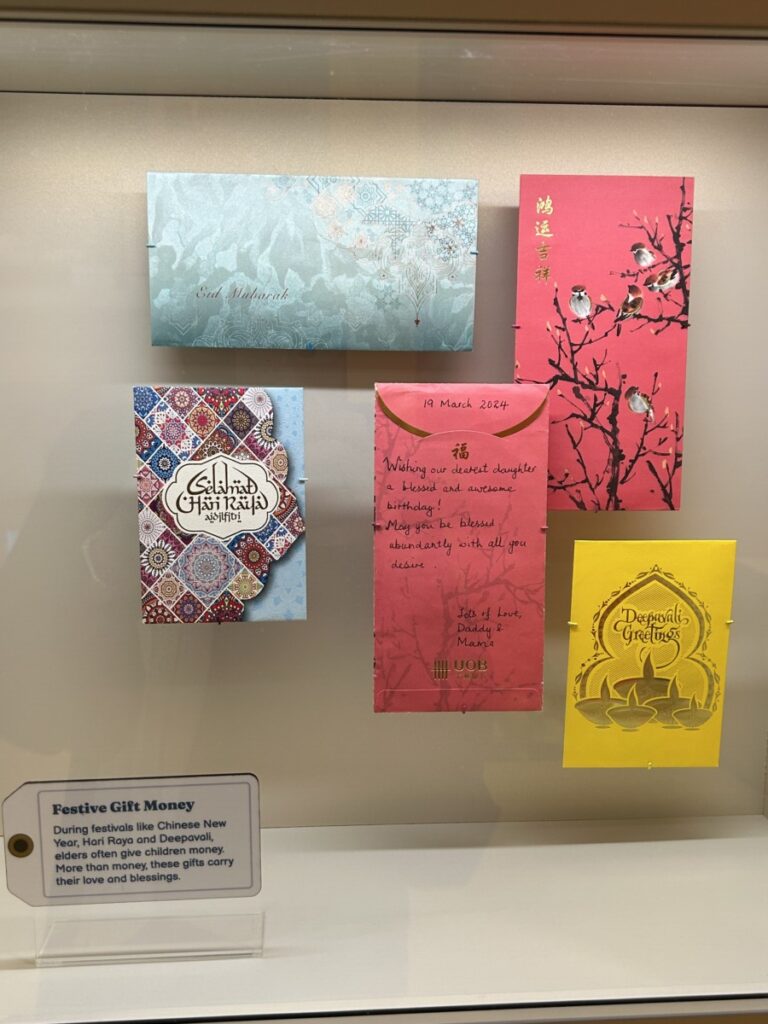
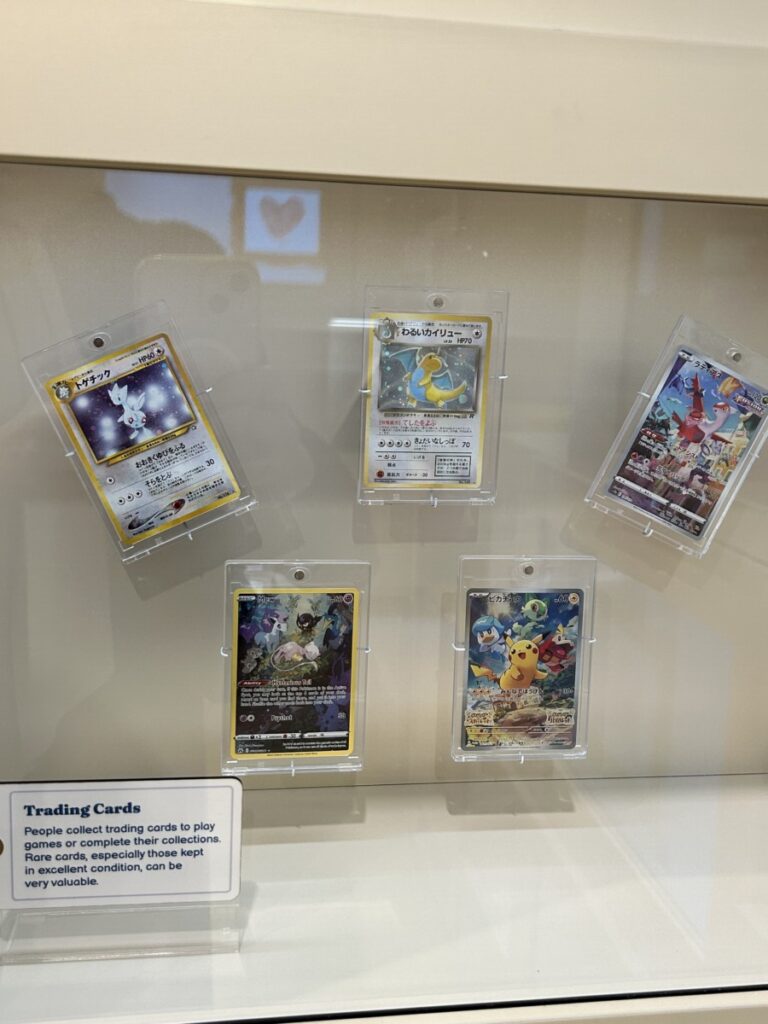
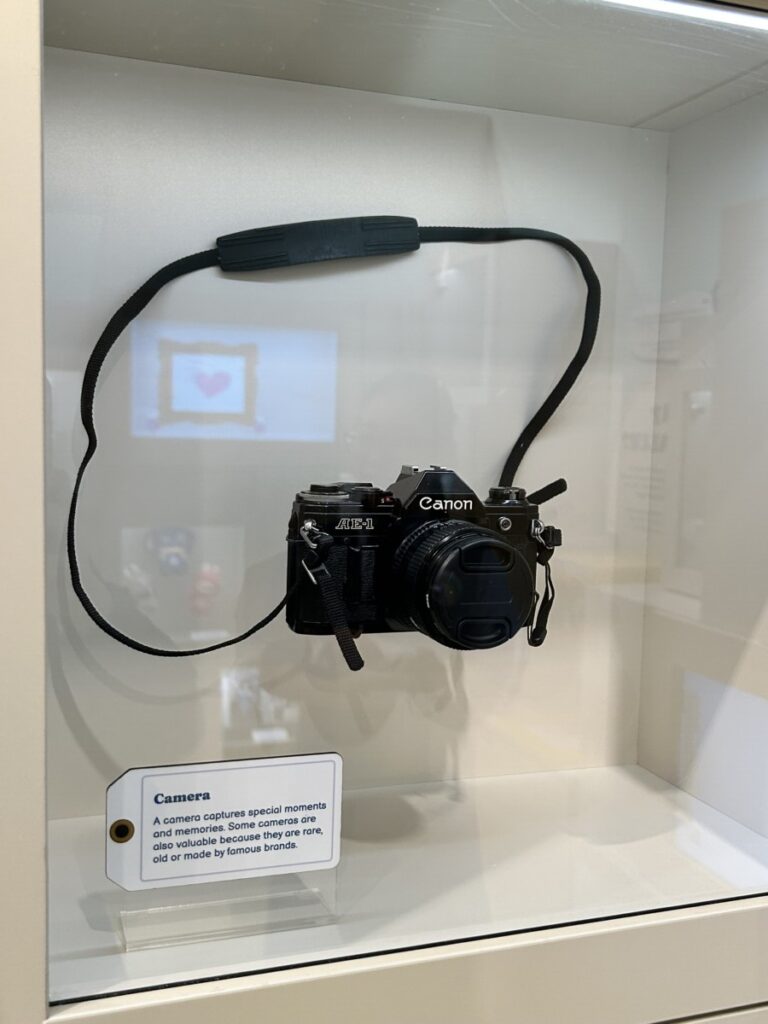
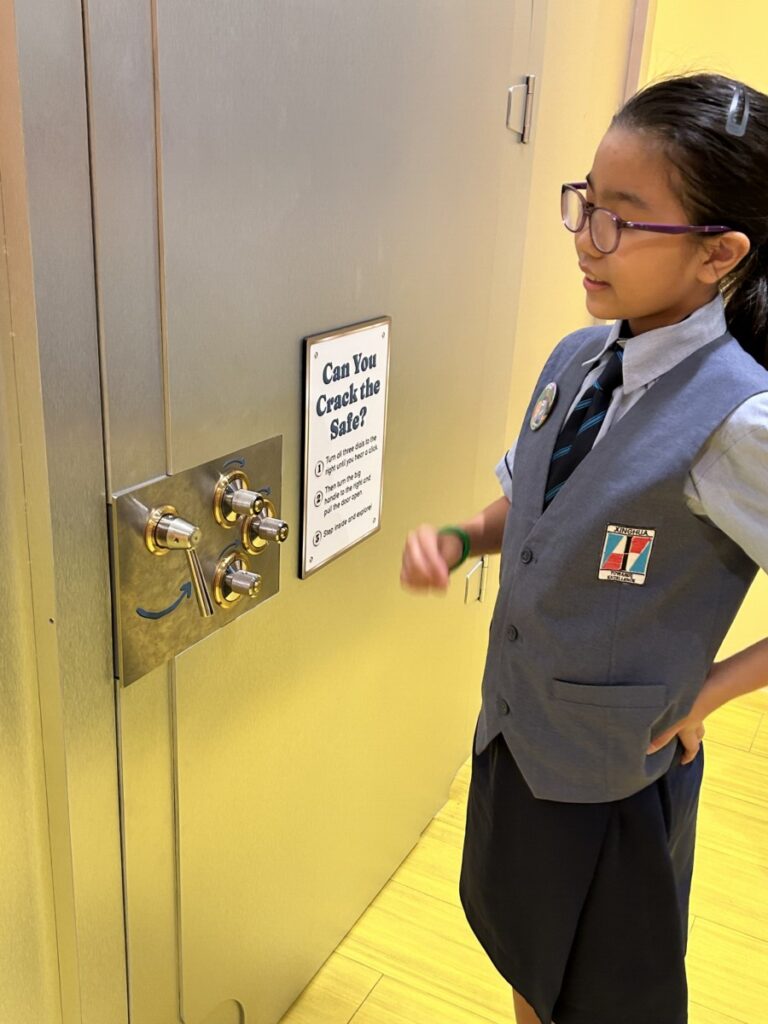
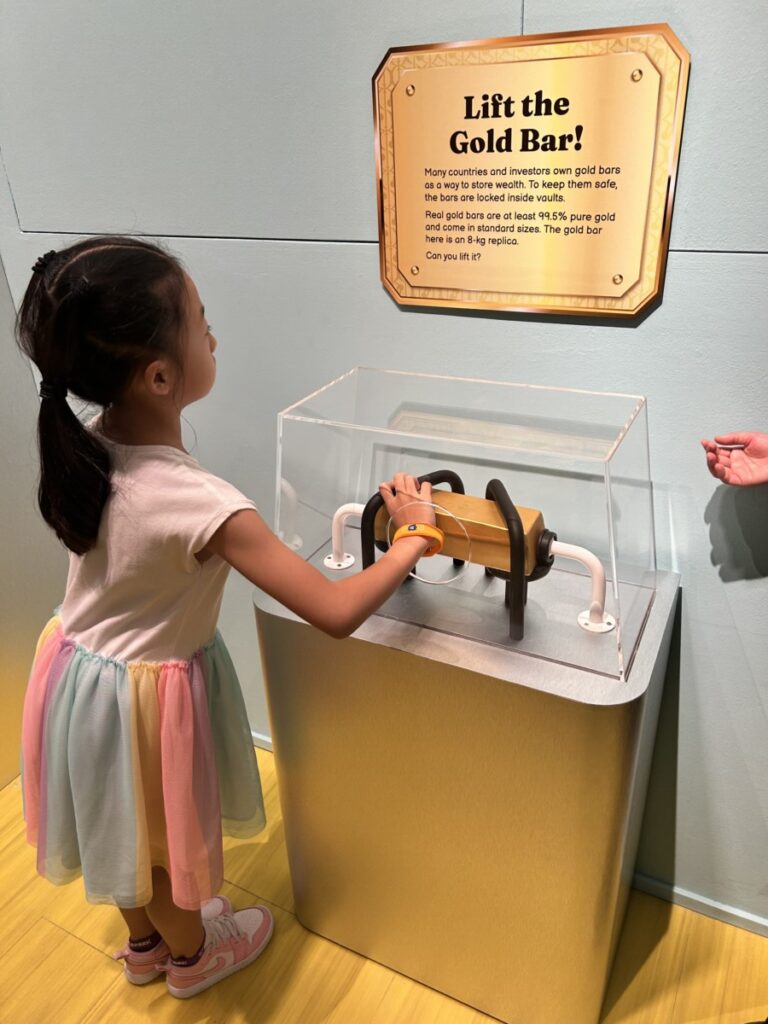
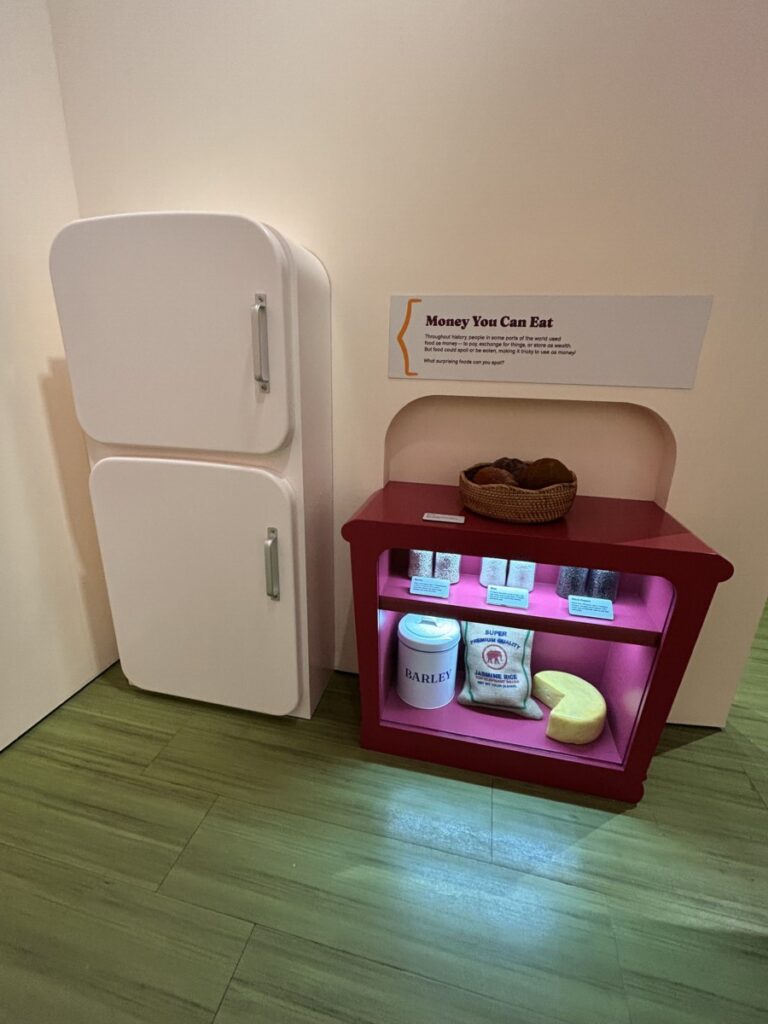
The things we keep are not always the things with the largest price tags.
Would I put it on the family outing list?
Yes, particularly for children who enjoy moving between objects and activities. There is enough variety to start several different conversations about money without making the visit feel like a worksheet.
The museum also has Money Barn for children aged 48 months and below, with sorting, counting, matching and sensory play. My suggestion would be to pick a few activities to explore properly and leave room for the child’s questions. The museum provides pre-visit and post-visit parental guides if you want help keeping the conversation going afterwards.
Official Details
Money Town: Make It Count! at Children’s Museum Singapore
Address: 23-B Coleman Street, Singapore 179807.
Public opening: 14 November 2026.
Best-fit ages: 5 to 9. The museum welcomes children aged 12 and under; Money Barn is for children aged 48 months and below.
Opening hours and booking
Tuesday to Sunday, 9am to 5.45pm. Closed on Mondays and from 12.45pm to 2pm daily for cleaning.
Entry slots: 9am, 11am, 2pm and 4pm. Each visit lasts 1 hour 45 minutes from the start of the booked slot.
Advance booking is strongly encouraged. Tickets open up to 30 days ahead; walk-ins depend on availability.
General admission
Singapore citizens and permanent residents: free for children and adults.
Foreign residents and tourists: S$10 per child, S$15 per adult, or S$40 for 2 adults and 2 children, before prevailing GST. At 9% GST, these are S$10.90, S$16.35 and S$43.60 respectively.
Check eligibility, admission conditions and availability on the official booking page before visiting.
Getting there
The museum lists an approximately 8-minute walk from City Hall, Clarke Quay and Bras Basah MRT (Mass Rapid Transit) stations. Nearby parking options include Funan, Capitol Piazza, Grand Park City Hall, Peninsula Excelsior Hotel and the Peranakan Museum. Check the selected car park’s current rates before driving.
Official visitor information | Book museum tickets | Accessibility information
Instagram: @ilovecmsg
Which activity would your child head for first: the gold, the bank or the safe? I would like to hear their choice.