HDB upgrading is getting another round of attention after the latest announcement that close to 29,000 households will benefit from new neighbourhood improvement works. The update is useful if you live in an older estate, help elderly parents move around their precinct, or are trying to understand why town councils keep asking residents for feedback on shared spaces.
This is not the same as renovating the inside of a flat. The Neighbourhood Renewal Programme and Silver Upgrading Programme are about the spaces residents use between home, lift lobby, market, bus stop, playground, fitness corner and community facility. In a country where most people live in public housing, those small estate changes can affect daily comfort more than a new mall across town.
What HDB Announced
HDB’s 17 April 2026 release says close to 29,000 households will benefit from upgrading projects to enhance their neighbourhoods. For Singapore readers, the important point is how HDB upgrading for 29,000 households changes a real decision this week or this year, not just the headline itself. Coverage of the announcement notes more than S$130 million for 17 Neighbourhood Renewal Programme projects, benefiting close to 20,000 households, plus 10 Silver Upgrading Programme precincts benefiting about 9,000 households.
For residents, the distinction matters because NRP and SUP solve different estate problems. NRP refreshes neighbourhood spaces across a precinct, while SUP is targeted more directly at older precincts with a higher senior profile. Examples discussed around the announcement include fitness trails, seating areas, safer routes, wellness gardens and dementia-friendly wayfinding features. That is why the practical reading is more useful than a quick summary: dates, eligibility, location, rates and exclusions decide whether the update is relevant to you.
The headline number matters, but the useful question is what your block cluster may actually get. In Little Big Red Dot terms, the useful test is simple: does this affect where you go, what you spend, how you plan, or what you ask the official counter before committing? For HDB upgrading for 29,000 households, the answer is yes because the final set of improvements is shaped through town council engagement, exhibitions, surveys and community feedback rather than a single fixed template.
Why Senior-Friendly Features Are Central
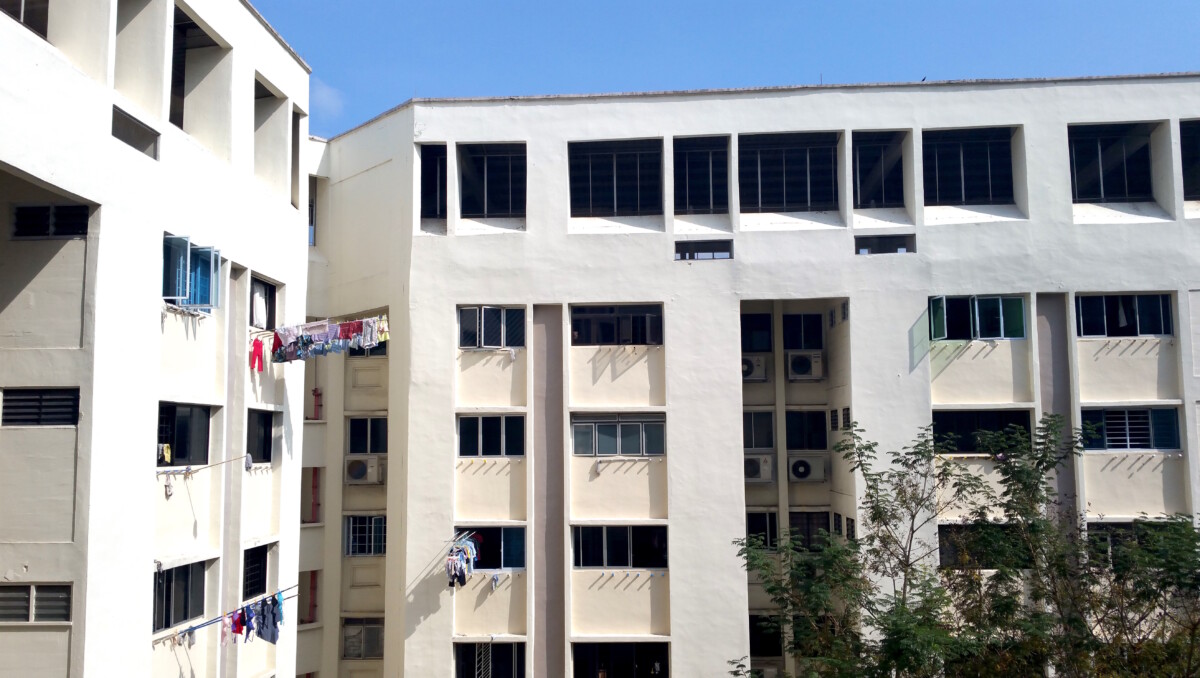
The latest batch reflects a very practical demographic reality: more residents are ageing in place, and daily estate design needs to support that. For Singapore readers, the important point is how HDB upgrading for 29,000 households changes a real decision this week or this year, not just the headline itself. For seniors, a sheltered ramp, a clear walking route, a better seating point or a fitness station near home can decide whether they leave the flat confidently or stay indoors.
Families often focus on the flat interior, but the estate journey is just as important. The route from the lift to a coffee shop, clinic, bus stop or active ageing centre can be the weak point. The Silver Upgrading Programme’s third batch is expected to start works in the second half of 2026 in precincts in Ang Mo Kio, Bukit Merah and Queenstown, with completion progressively from the second half of 2028. That is why the practical reading is more useful than a quick summary: dates, eligibility, location, rates and exclusions decide whether the update is relevant to you.
That timing means residents should expect consultation and construction to be a multi-year process, not an overnight change. In Little Big Red Dot terms, the useful test is simple: does this affect where you go, what you spend, how you plan, or what you ask the official counter before committing? For HDB upgrading for 29,000 households, the answer is yes because senior-friendly upgrades have to fit existing precinct layouts, drainage, pedestrian flows and the way residents already use shared spaces.
How Resident Feedback Changes The Outcome
A useful part of HDB upgrading is that residents are not only passive recipients of new facilities. For Singapore readers, the important point is how HDB upgrading for 29,000 households changes a real decision this week or this year, not just the headline itself. Town councils involved in NRP projects are expected to engage residents through exhibitions and surveys, while community improvement walks help surface daily friction points that planners may not see on a drawing.
This matters because the best estate upgrade is rarely the flashiest one. A block may need a better linkway more than another decorative feature, while another precinct may need seating in shaded places where seniors already gather. If your estate is in the selected batch, the survey stage is where residents should be precise: which path floods, where wheelchairs struggle, where evening lighting feels weak and which sheltered route is missing. That is why the practical reading is more useful than a quick summary: dates, eligibility, location, rates and exclusions decide whether the update is relevant to you.
Specific feedback beats general requests for a nicer neighbourhood. In Little Big Red Dot terms, the useful test is simple: does this affect where you go, what you spend, how you plan, or what you ask the official counter before committing? For HDB upgrading for 29,000 households, the answer is yes because the projects are local by design and work best when residents name the exact pinch points in their estate.
What Homeowners Should Not Overread
Upgrading can make an estate more pleasant, but it should not be treated as a guaranteed resale windfall. For Singapore readers, the important point is how HDB upgrading for 29,000 households changes a real decision this week or this year, not just the headline itself. Better shared spaces may improve liveability and buyer appeal, but resale prices still depend on lease balance, flat type, floor level, location, supply and buyer budgets.
For homeowners, the sensible reading is that NRP and SUP support everyday quality of life first. Any property value effect is secondary and uneven. For families helping seniors, the more immediate value may be safer movement, more rest points, clearer wayfinding and facilities that allow an older person to stay active near home. That is why the practical reading is more useful than a quick summary: dates, eligibility, location, rates and exclusions decide whether the update is relevant to you.
The best way to use the announcement is to track town council notices and feedback sessions for your precinct. In Little Big Red Dot terms, the useful test is simple: does this affect where you go, what you spend, how you plan, or what you ask the official counter before committing? For HDB upgrading for 29,000 households, the answer is yes because the liveability gain depends on which improvements are selected and how well they map to residents’ actual routines.
Precinct Timeline To Watch
For the NRP projects, implementation and completion timelines vary by the nature and complexity of each project. For the SUP batch, works are expected to start in the second half of 2026 and complete progressively from the second half of 2028. Residents in affected precincts should look out for town council engagement materials rather than assuming the same works will appear in every estate.
Related on Little Big Red Dot: HDB Q1 2026 resale data, Weekend Brew Club in May, SkillsFuture 2026 changes.
Official links: HDB media release | HDB homepage news list.