One of the ancient world’s great crossroads is coming to Singapore. This September, the Asian Civilisations Museum (ACM) opens Sacred Caves: Dunhuang, Buddhism, and the Silk Road, the first time the treasures of Dunhuang’s Mogao Caves travel to Southeast Asia, presented in collaboration with the Dunhuang Academy.
For more than a thousand years, the oasis city of Dunhuang in present-day Gansu province linked China, India and the Middle East along the Silk Road. Trade, faith and cultural encounter gave rise to the Mogao Caves, a sprawling complex of Buddhist cave temples cut into the cliffs at the edge of the Gobi Desert. Now a UNESCO World Heritage Site, the grottoes hold one of the richest collections of Buddhist art anywhere, from murals and sculptures to manuscripts and devotional objects.
A Southeast Asian first
The Dunhuang exhibition Singapore audiences will see brings that world within reach, with life-size grotto reproductions shown alongside original paintings, sculptures, manuscripts and textiles. Because the actual caves sit thousands of kilometres away and access to many is tightly restricted for conservation, this is a rare chance to stand before them, if only in faithful reproduction.
“Ancient Dunhuang and contemporary Singapore are both crossroads of Asia, shaped by centuries of trade, diverse faiths, and cultural exchange,” said Clement Onn, Director of the Asian Civilisations Museum and the Peranakan Museum. “We are honoured to partner with the Dunhuang Academy to present this extraordinary heritage to audiences in Southeast Asia for the first time.”
A journey through 1,000 years
Spanning works created between the 4th and 14th centuries, the show reads like a record of everyday life along the Silk Road, taking in ancient passports and official documents as well as devotional art. Three highlights anchor the experience:
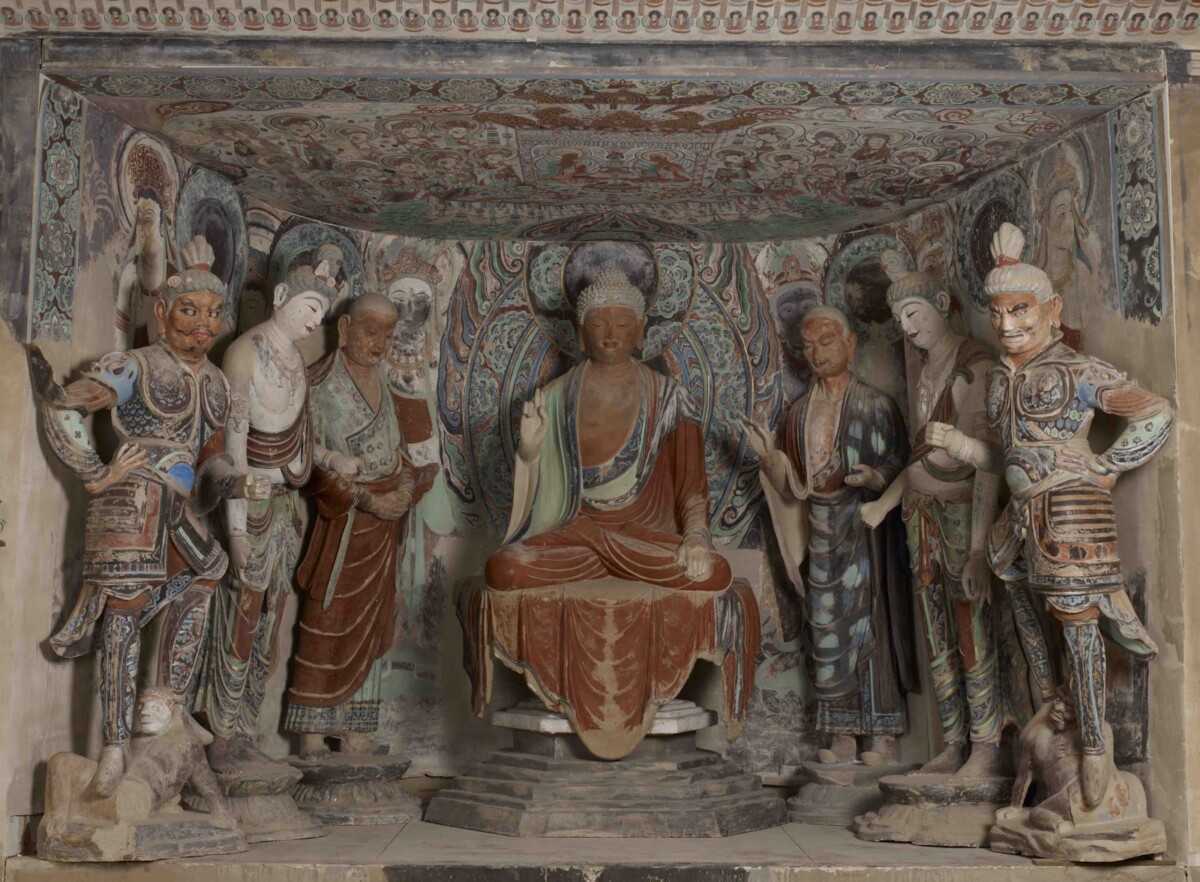
- Cave 45 — among the most iconic and best-preserved Tang dynasty caves at Mogao, with monumental sculptures of the Buddha, his disciples Ananda and Kashyapa, bodhisattvas and guardians. The reproduction lets visitors study details that are off-limits in the original.
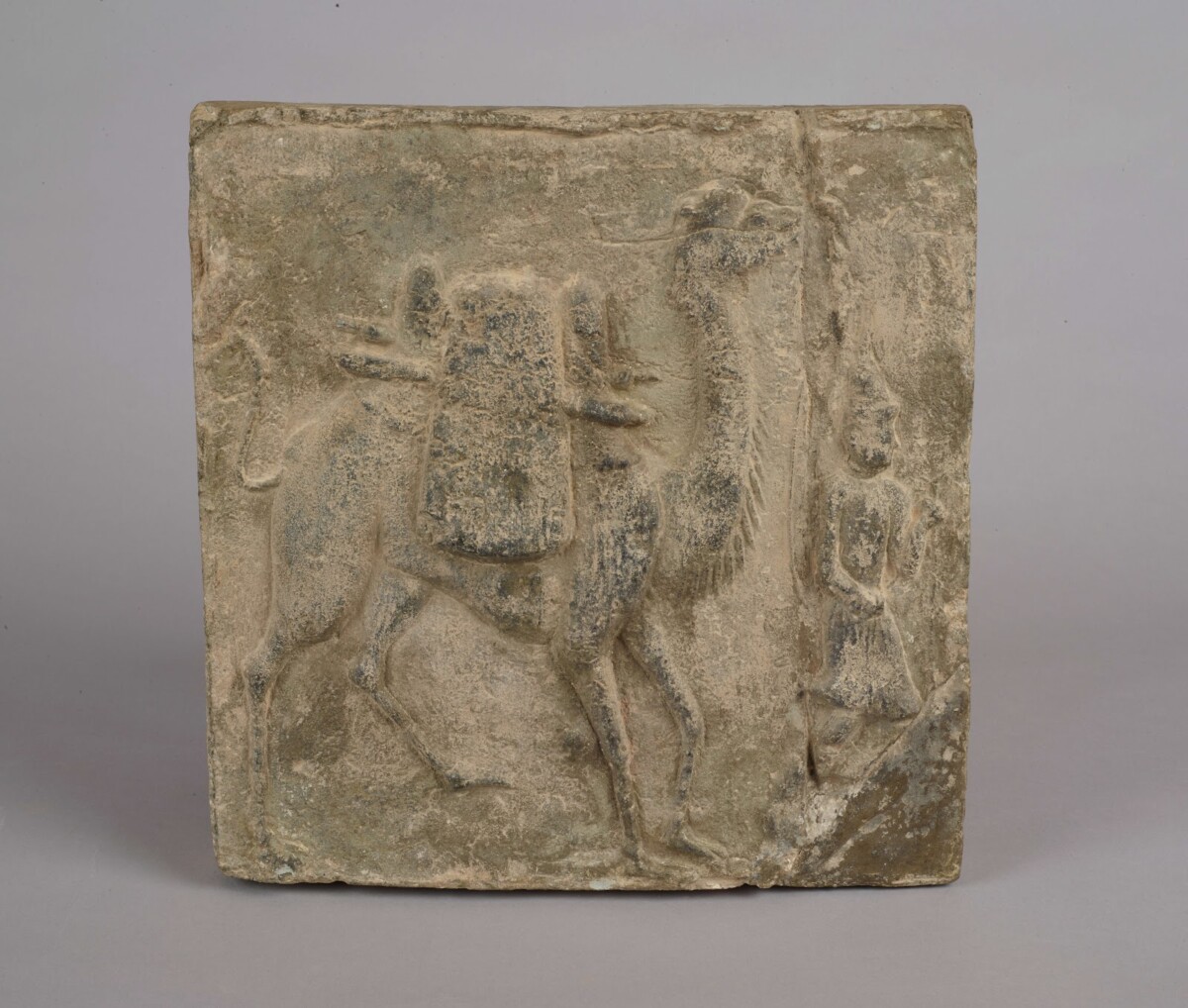
- Brick with a man leading a camel — the figure’s pointed cap, prominent nose and beard mark him out as a Sogdian, one of the traders and travellers who carried goods and religions across Eurasia.
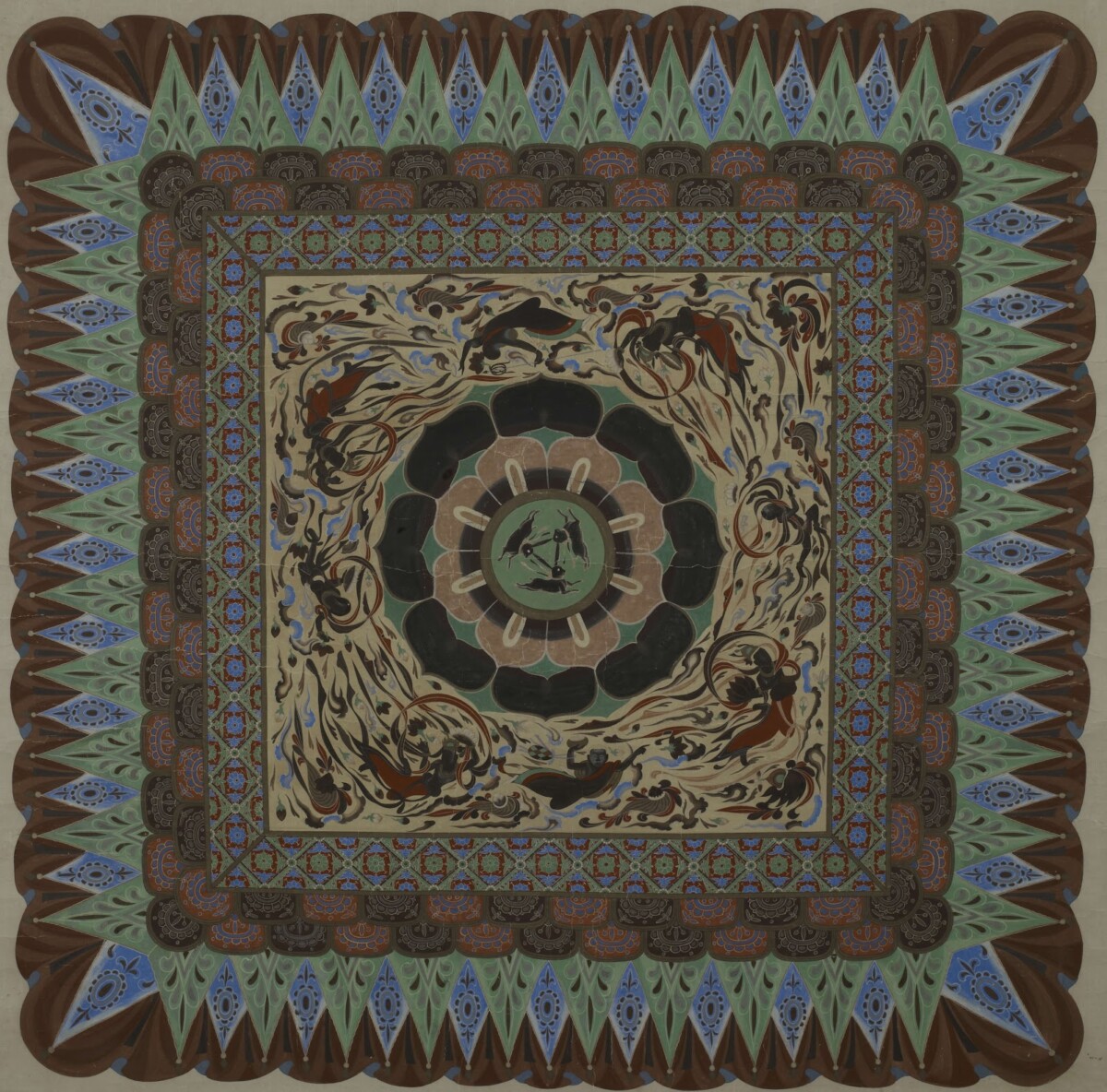
- Ceiling painting with three hares — a meticulous linmo study copy of a motif that turns up from Dunhuang to Iran, India, Egypt and Europe, a neat emblem of how ideas travelled.
Why it matters for Singapore
For a city that has always sat at the meeting point of cultures, Dunhuang’s story of exchange lands close to home. It is also a strong addition to a busy season of heritage and arts programming across the island. More details, including exact dates and ticketing, will be shared closer to the September launch.
Planning more culture this year? See our guide to Lai Foong Moi: Crossings at National Gallery Singapore, and if you are marking the long weekend, our roundup of the Singapore Flyer’s National Day line-up.
Sacred Caves: Dunhuang, Buddhism, and the Silk Road opens September 2026 at the Asian Civilisations Museum, 1 Empress Place. Images courtesy of Dunhuang Academy, via Tate Anzur.