
I have a confession. When I look at the France squad for World Cup 2026, I feel something close to envy. Not for myself — I am a Singaporean who plays Sunday football and can barely keep up with players half my age — but for France as a footballing nation. Because the depth of attacking talent Didier Deschamps can call upon is, quite simply, obscene. It is the kind of squad that makes every other national team manager look at his own list and quietly despair.
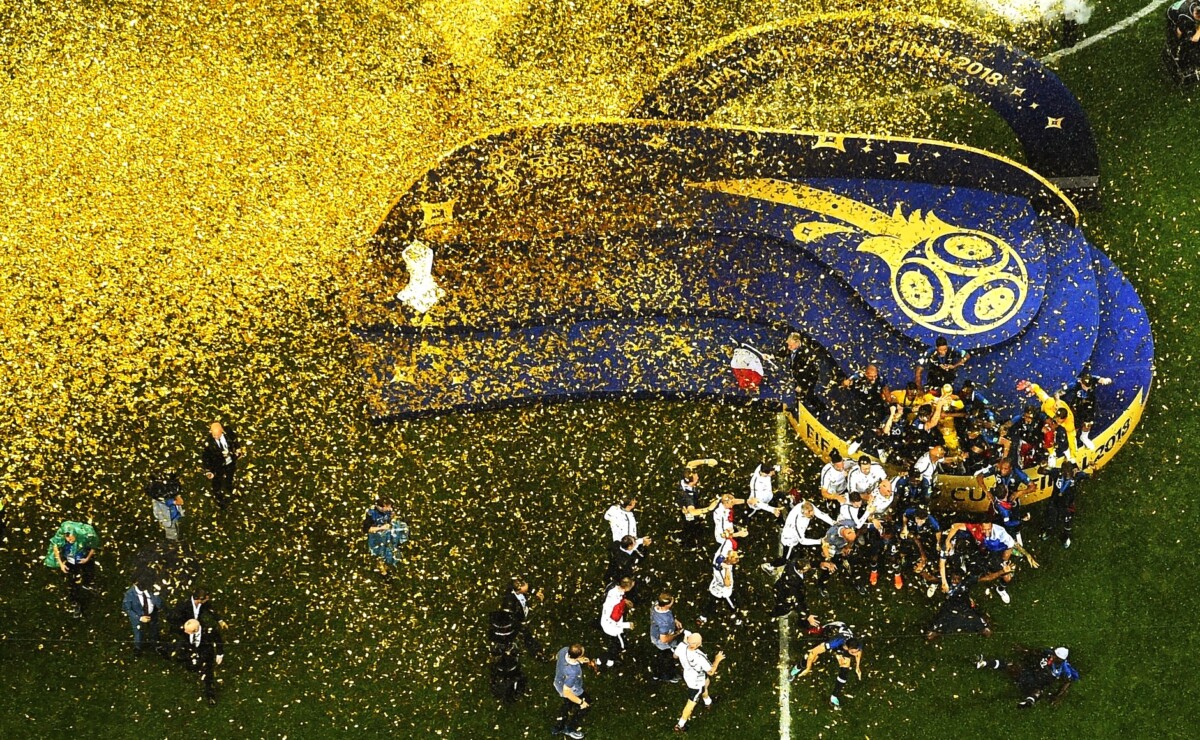
France were crowned World Champions in 2018 in Russia. They reached the final again in 2022 in Qatar, losing to Argentina on penalties after one of the most dramatic finals in the tournament’s history. Now they arrive in North America as, by most measurements, the tournament favourites. France are in Group I, where they face Senegal, Iraq, and Norway — opening at MetLife Stadium in New Jersey on 16 June. The question is not whether France have the quality. It is whether they have the hunger, the cohesion, and the luck to finally finish the job again.
The Squad — A Selection Dilemma That Most Managers Would Kill For
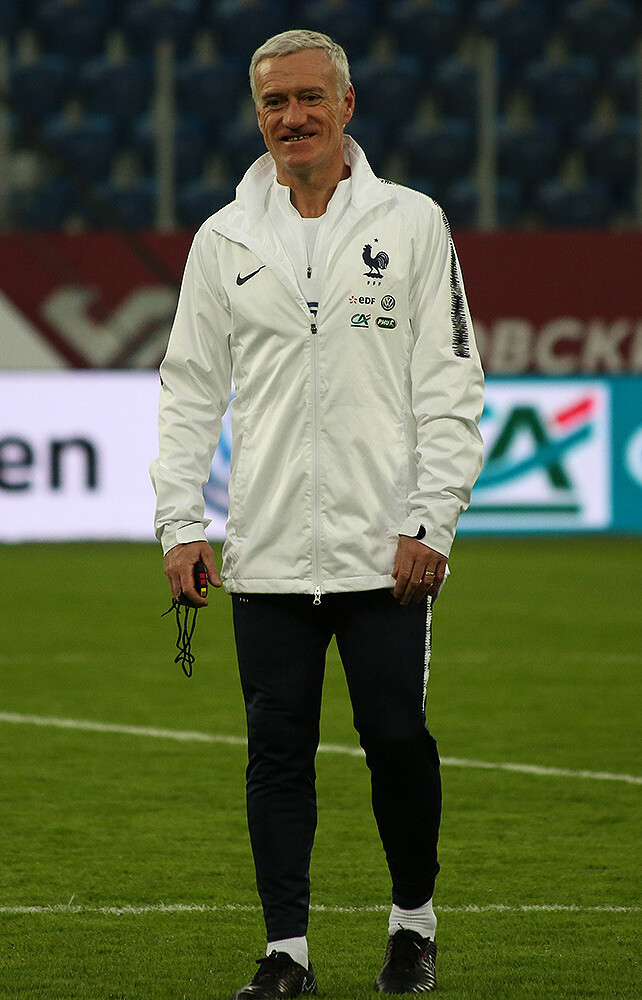
Didier Deschamps announced his 26-man squad on 14 May, and even then, the players left at home were extraordinary. Eduardo Camavinga, the Real Madrid midfielder who won the Champions League in the 2023-24 season, did not make the cut. Randal Kolo Muani, who scored in the World Cup final four years ago, is also absent — Jean-Philippe Mateta of Crystal Palace is preferred.
Think about that for a moment. Camavinga — Champions League winner, 24 years old, one of the best midfielders in Europe — is not in the squad. That tells you everything about the depth France are working with.
The Full 26-Man Squad
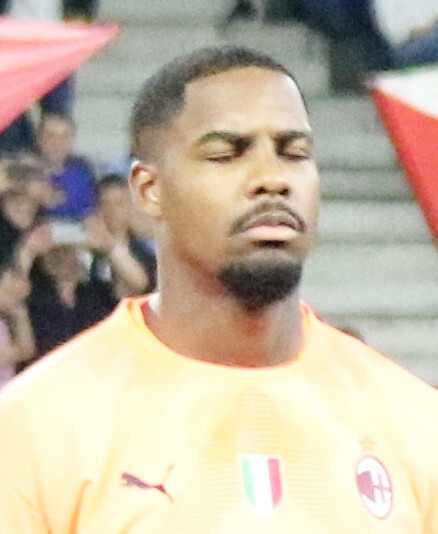
Goalkeepers: Mike Maignan (AC Milan), Brice Samba (RC Lens), Robin Risser (Strasbourg).
Defenders: Lucas Digne (Aston Villa), Jules Koundé (Barcelona), Théo Hernández (Al-Hilal), Lucas Hernández (PSG), Dayot Upamecano (Bayern Munich), William Saliba (Arsenal), Ibrahima Konaté (Liverpool), Malo Gusto (Chelsea), Maxence Lacroix (Crystal Palace).
Midfielders: N’Golo Kanté (Fenerbahçe), Adrien Rabiot (AC Milan), Aurélien Tchouaméni (Real Madrid), Manu Koné (Roma), Warren Zaïre-Emery (PSG).
Forwards: Kylian Mbappé (Real Madrid), Ousmane Dembélé (PSG), Marcus Thuram (Inter Milan), Bradley Barcola (PSG), Michaël Olise (Bayern Munich), Maghnes Akliouche (Monaco), Désiré Doué (PSG), Rayan Cherki (Manchester City), Jean-Philippe Mateta (Crystal Palace).
The Kanté Return
One of the most talked-about selections is N’Golo Kanté. At 35, having recently moved from Al-Ittihad in Saudi Arabia to Fenerbahçe in Turkey, his inclusion is partly sentimental — he was the beating heart of the 2018 World Cup winning side — but Deschamps has clearly decided that his experience and his ability to protect the defence are worth having, even at this stage of his career. Whether he can sustain 90 minutes in the heat of a North American summer remains to be seen. But his presence in the dressing room, his character, his leadership — these are things that do not decline with age.
How France Will Play
Deschamps has tended towards a pragmatic 4-2-3-1 or 4-3-3 that prioritises defensive solidity first and allows his extraordinary attacking talent to express itself from a secure base. Tchouaméni and Zaïre-Emery are likely to form the midfield base — one holding, one progressing — with Mbappé as the centre-forward in name, though in practice he drifts wide and creates havoc in channels.
The defensive unit is arguably as strong as the attack. William Saliba has been one of the best centre-backs in the Premier League for two consecutive seasons. Ibrahima Konaté is physical, dominant in the air, and genuinely quick. Mike Maignan is, in many people’s opinion, the best goalkeeper in the world right now — his distribution and his shot-stopping are both elite.
The Key Players
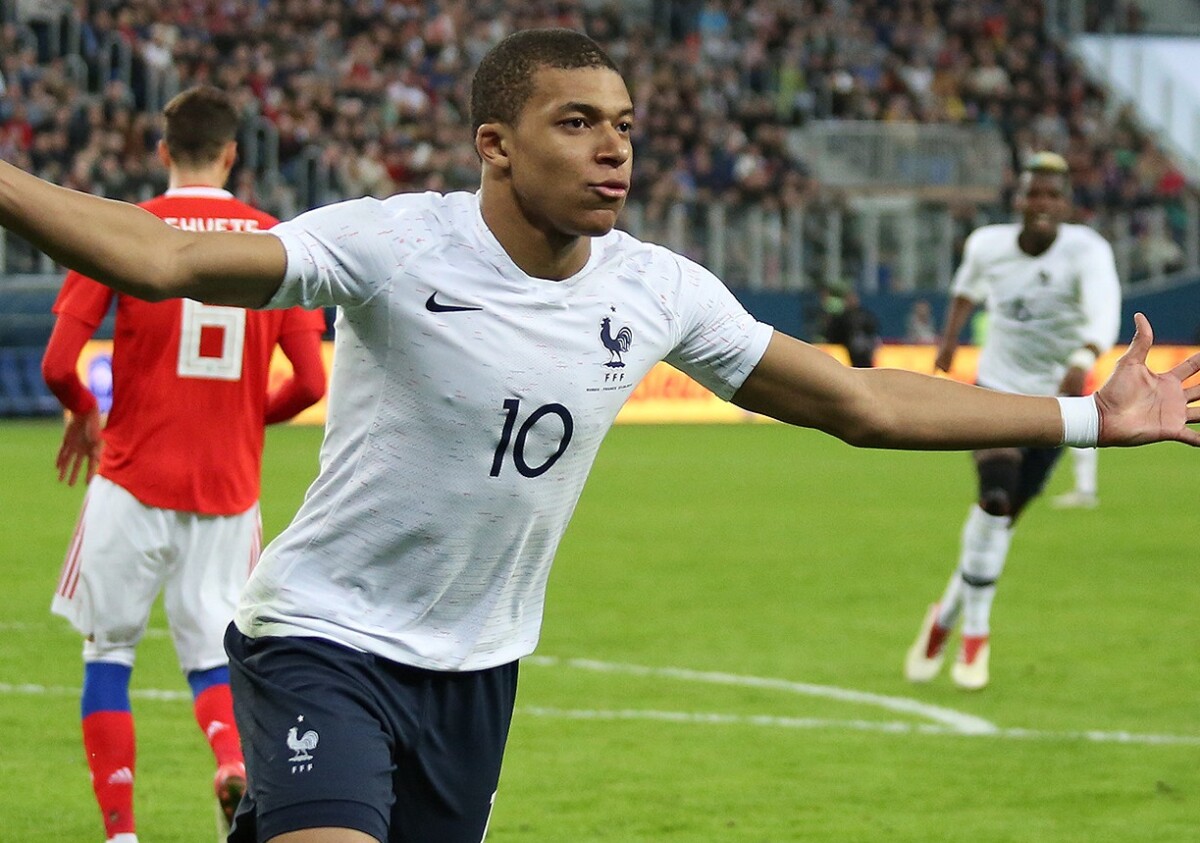
Kylian Mbappé. The obvious answer, and the correct one. At 27, he is in the prime of his career. His numbers at Real Madrid this season have been extraordinary — goals, assists, and big-game performances that have silenced those who questioned whether he could handle life after PSG. At a World Cup, with space and the licence to express himself, he is genuinely terrifying to defend against.
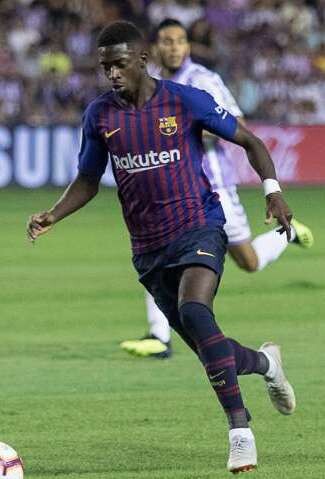
Ousmane Dembélé has finally, after years of injury frustration, put together back-to-back complete seasons. His directness, his ability to beat defenders at pace, and his improved decision-making make him the perfect foil for Mbappé. He is also, of course, the reigning Ballon d’Or winner — he claimed the 2025 award after PSG’s continental treble.
Bradley Barcola has emerged as one of the most exciting young wide players in Europe after his PSG breakthrough. His runs in behind, his finishing — he is the kind of player who can come off the bench and change a game in ten minutes.
The Surprise Packages
Rayan Cherki, now at Manchester City after his summer 2025 move from Lyon, is 22 years old and has been remarkable in his debut Premier League season. His technical quality, his vision, his composure in tight spaces — he plays older than his age. If France need someone to break down a deep defensive block, Cherki is the man.
Désiré Doué at PSG has been one of the most exciting young players in Ligue 1 for two seasons. Explosive, technically gifted, capable of brilliance in the final third. At a World Cup where teams tire in knockout rounds, having players of his quality in reserve is a genuine advantage.
My Take
This is Didier Deschamps’ final tournament as France manager — he has confirmed he will step down after the World Cup, win or lose. The squad knows it. The nation knows it. There is something poetic about the idea of Deschamps, who won the World Cup as a player in 1998 on French soil, lifting it again as a manager on the other side of the Atlantic in 2026.
The one concern I have is the pressure of expectation. France carry the weight of being favourites in a way that no other team does. In 2022, they overcame an extraordinary injury crisis to reach the final. In 2026, they are fully fit, fully loaded, and fully expected to win. That expectation can be a burden as much as a motivation.
But when I look at that forward line — Mbappé, Dembélé, Thuram, Barcola, Olise, Cherki, Doué — I run out of reasons to doubt them. France are my pick to win World Cup 2026. And I do not say that lightly.
Follow the Little Big Red Dot World Cup 2026 series as we break down all 48 teams. Next up: South Korea.