
CPF’s beginner investing guide is useful because it slows the conversation down. Before comparing returns, Singaporeans need to know what money can be placed at risk, what must remain available, and whether CPF savings should be invested at all.
That reminder is timely when readers are seeing promotions for fixed deposits, higher-yield accounts, T-bills, Singapore Savings Bonds, CPFIS funds and equities at the same time.
Start With The Money Purpose
Short-term cash, emergency savings and money needed for housing should not be treated the same way as long-term retirement funds. The practical first question is whether the money has a near-term use.
CPF savings carry floor interest rates and retirement rules, so investing CPF Ordinary Account or Special Account savings requires a higher bar than deploying spare cash.
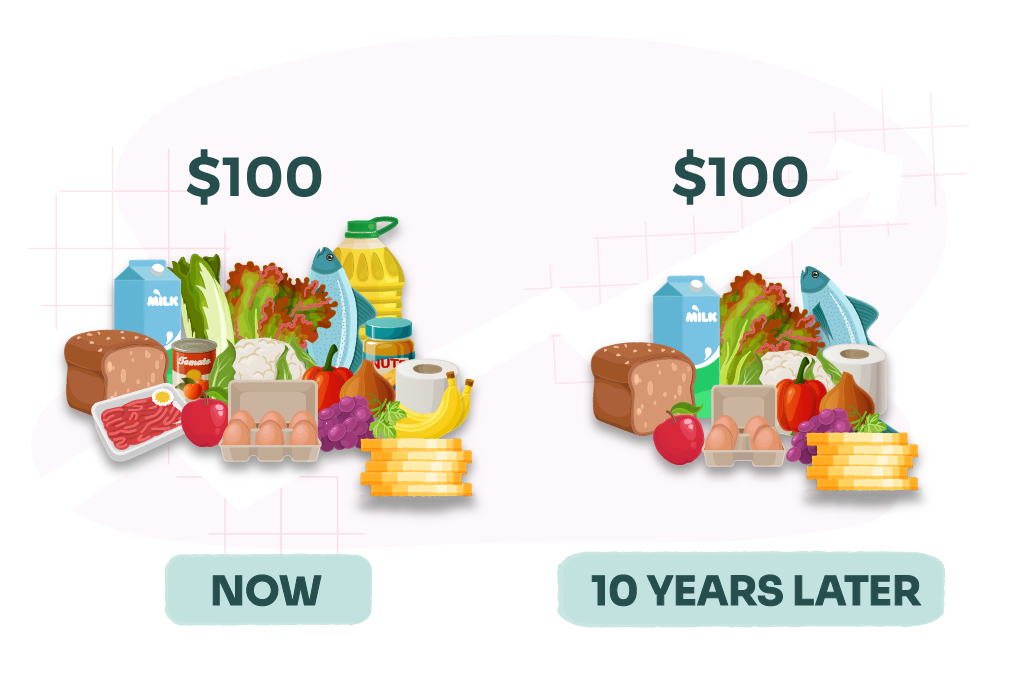
Common Choices To Compare
- Singapore Savings Bonds and Treasury bills are often used by cautious investors who want government-backed instruments with defined maturity mechanics.
- Unit trusts and exchange-traded funds can diversify exposure, but fees, tracking risk and market drawdowns matter.
- Direct shares need more research discipline because a single company can move very differently from the broader market.
- CPF Investment Scheme products should be compared against the CPF interest that would otherwise be earned.
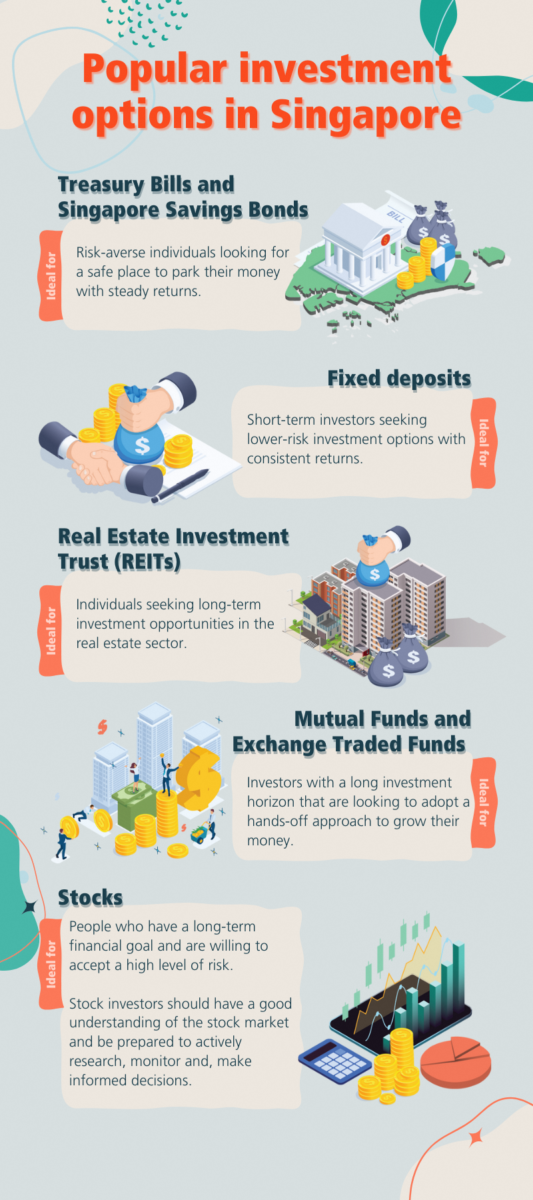
What This Means For 2026 Planning
A beginner should write down the time horizon before opening an app. If money is needed for a home, school fees or a known family expense, capital stability can matter more than chasing a slightly higher return.
For related LBRD reading, see the CPF Investment Scheme TER caps guide and the June 2026 Singapore Savings Bonds explainer.

Booking, registration or visitor details are on the CPF beginner investing guide page.