
If you work in healthcare, or have been thinking about moving into it, a new national body will shape how your job and training look over the next few years. The Ministry of Health (MOH) and the Healthcare Services Employees’ Union (HSEU) announced the Healthcare Jobs, Skills and Training Council on 27 November 2026. It has no timetable of courses yet, but the mandate is clear enough to plan around.
Who sits on the Healthcare Jobs, Skills and Training Council
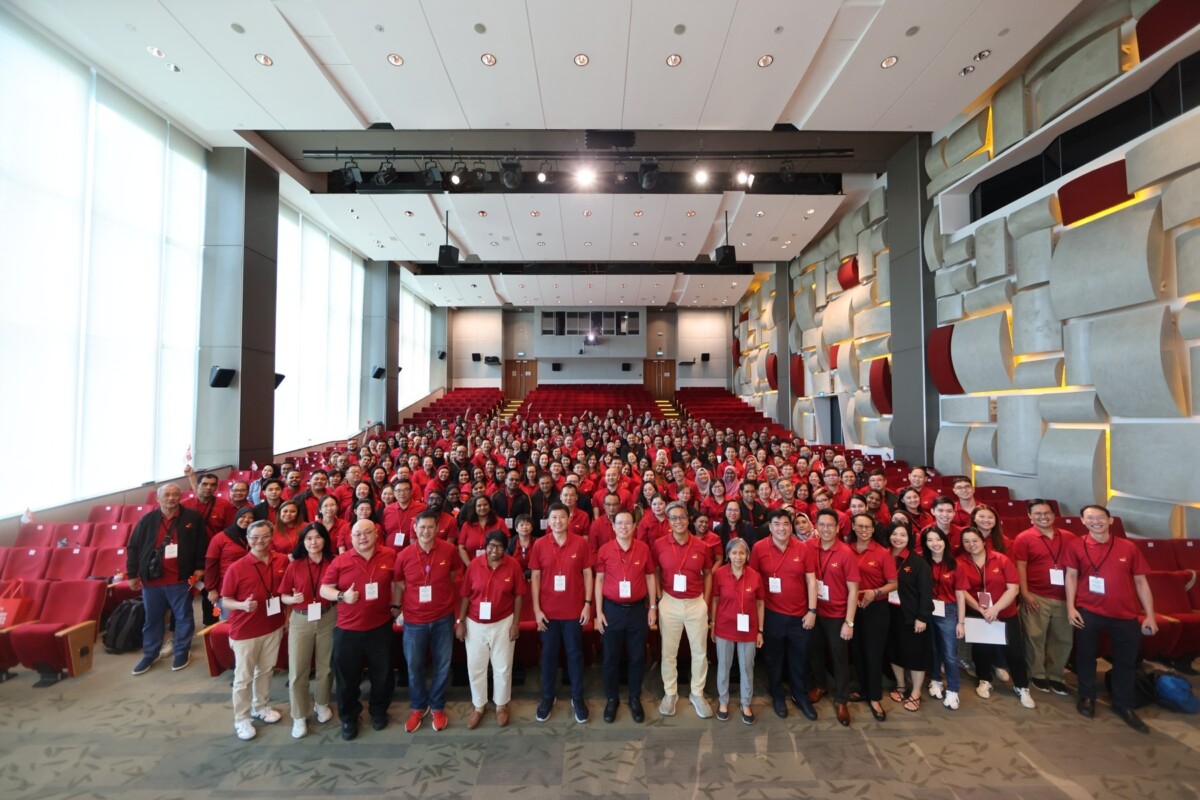
The council is co-chaired by Minister of State Rahayu Mahzam and NTUC and HSEU President K Thanaletchimi. Members come from the Government, healthcare employers and unions. Its first meeting is expected in April 2027, when members will set strategic priorities and a workplan.
The idea came from the union. Health Minister Ong Ye Kung said at HSEU’s Shaping the Workforce of Tomorrow forum on 27 November that he supports it and that the council is ready to launch.
What the council is meant to do
MOH’s release lists several tasks. Taken together, they point at three things.
- Job redesign: rethink the roles of nurses, pharmacists and allied health professionals so more care can move into the community.
- Skills: use modular, competency-based training that workers can apply straight away, including working across disciplines and using AI.
- Support through change: upskilling, reskilling and career transition plans, with mentoring, for workers whose roles are affected.
The council will also look at attracting and retaining healthcare workers, and steer tripartite efforts on workforce transformation. The minister said he expects most roles to expand rather than shrink.
What it could look like on the ground
The speech gave two examples. A staff nurse at a Community Health Post could take on routine monitoring and health advice, and escalate concerns to a doctor through telehealth. Social workers could take modular training to do basic mental health triage, counselling and referrals, instead of a full master’s programme.
MOH also pointed to work already under way. Patient care support staff in the public healthcare sector are taking on more supervised tasks such as wound dressing, ECG and blood-taking in relevant settings. The Centre for Healthcare Innovation’s Workforce Accelerator, hosted by NHG Health, supports job redesign from ideation to prototyping and rollout.

Technology and the NTUC grant
Technology examples named in the release include RFID-enabled inventory management, AI-enabled patient monitoring and smart rostering with roster-repair functions. HSEU has also used the NTUC Company Training Committee Grant with employers to support technology adoption and training. Neither the release nor the speech gives headcounts, targets or a budget for the council.
The minister also warned about AI’s downsides, including skill loss and less human connection, and said unions, employers and the Government should manage them together.
If you are thinking of a healthcare career
Nothing in the announcement is a new course or a new subsidy, and mid-career switchers were not mentioned. Still, the direction matters if you are weighing a move. Community care and team-based, tech-enabled roles are where the redesign is aimed.
For now, existing routes still apply. Our guide to the SkillsFuture Mid-Career Credit explains how the S$4,000 can be used on sector courses from 1 December 2026. The Tripartite Career Fairs have also featured healthcare, and our note on HealthierMind SG covers the merged community mental health network.

Watch for the April 2027 meeting. That is when the council’s priorities, and any training pathways it names, should become clear.