
Singapore passport holders will need an ETIAS travel authorisation for short trips to 30 European countries once the system starts, but ETIAS is not running yet and no applications are being taken. The European Union has not fixed a start date, and the embassies of Poland and the Czech Republic in Singapore put the launch in 2027.
For anyone planning a December trip to Paris or Rome, nothing changes now. Singaporeans still enter the Schengen Area visa-free for short stays, as they do today, unlike Thailand, which cut its visa-free stay to 30 days in September.
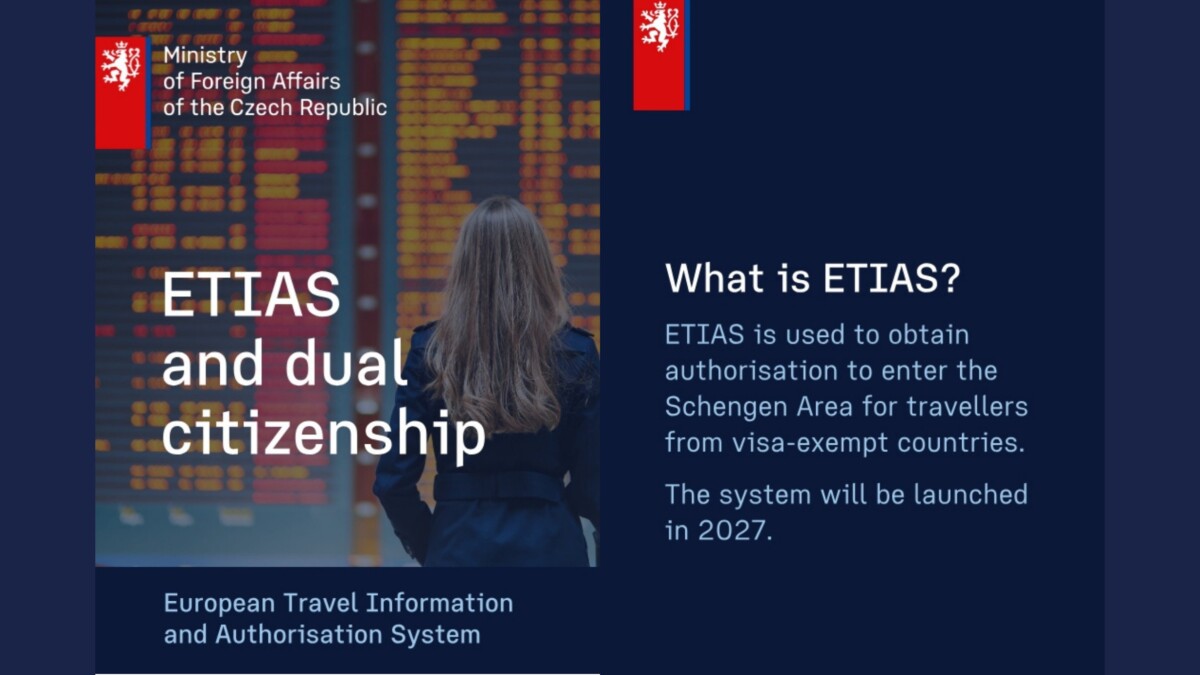
What ETIAS is
ETIAS stands for the European Travel Information and Authorisation System. It is an online pre-travel authorisation for nationals of visa-exempt countries, in the same family as the United States’ ESTA, the United Kingdom’s ETA and Canada’s eTA. Singapore is on the EU’s list of visa-exempt nationalities that will need one.
It is not a visa, and it does not extend the visa-free stay. Once ETIAS is live, a traveller who needs one and turns up without it will be refused entry at the border, and holding one does not guarantee entry, since border guards still check every other entry condition.
The 30 countries
ETIAS covers the 29 Schengen states plus Cyprus. That takes in the usual European holiday stops for Singaporeans, among them France, Germany, Italy, Spain, the Netherlands, Greece and the Nordic countries, as well as newer Schengen members Bulgaria, Croatia and Romania. Four of the 30 are outside the EU: Switzerland, Norway, Iceland and Liechtenstein.

The United Kingdom and Ireland are not on the list. The UK runs its own ETA, a separate application, much as South Korea runs the K-ETA that Singaporeans are exempt from until the end of 2027.
How long it lasts
An ETIAS authorisation is tied to the passport used to apply. It stays valid for three years or until that passport expires, whichever comes first, and a new passport needs a new authorisation. A passport with two years left gets a two-year ETIAS.
Within that period, the holder can enter as many times as needed, for up to 90 days in any 180-day period. Cyprus counts its 90 days separately from the rest.
ETIAS is only for short stays. Study for more than 90 days, or work, still needs the relevant national visa; a business meeting or conference falls under ETIAS.
What it will cost and how long it takes
The EU’s ETIAS FAQ puts the application fee at EUR 20. Applicants under 18 or over 70 do not pay it, and nor do family members of EU nationals who qualify for family-member status. The EU says most applications will be processed within minutes, and at the latest within 96 hours, but some applicants may be asked for more information or documents, or for an interview, which can add up to 30 days. It advises getting the authorisation before buying tickets or booking hotels. These are the EU’s current figures, and they could change before the system starts.
Fake ETIAS websites
Because the system is not live, any site selling an ETIAS application now is not the real thing. The Czech embassy in Singapore warns that websites currently offering to submit ETIAS applications for a fee are fraudulent. The only official portal is the EU’s Travel to Europe site, and the EU has also promised an official ETIAS mobile app once applications open.
The EU will announce the ETIAS start date several months before launch, so there is time to plan for 2027 trips.