A ComLink+ family with two preschool children can now receive up to S$10,200 a year, after Child Development Account (CDA) matching under the Baby Bonus Scheme. That figure comes from MSF’s Supporting Lower-Income Households Trends Report 2026, published on 16 November 2026. It explains how the ComLink+ Progress Packages changed from July 2026.
If you or someone you know is on ComLink+, here is what each payout looks like.
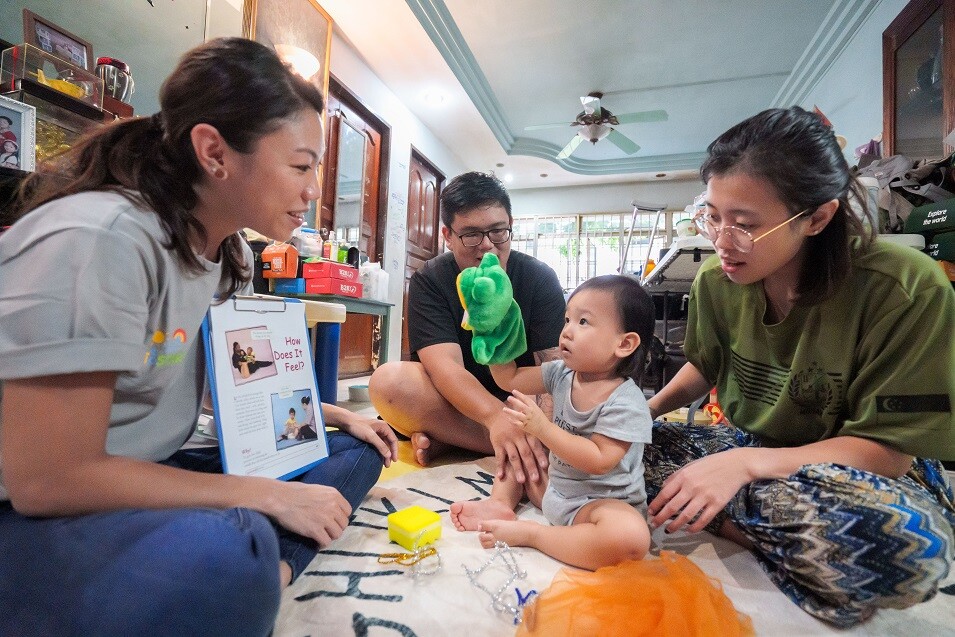
What changed in July 2026
MSF launched the ComLink+ Progress Packages progressively from August 2024. Since July 2026 it has added a new Partnership Payout and enhanced the Preschool and Employment packages.
Before July 2026, family coaches and Family Service Centre (FSC) case workers had to place a family on the Preschool Package first. That step is gone for Preschool and Employment, so every eligible family can benefit without prior emplacement. Emplacement still applies to the Home Ownership and Debt Clearance packages.
ComLink+ Progress Packages: what each one pays
The report lists these top-ups, which are paid in a mix of cash, CPF and CDA money.
- Partnership Payout: S$500 every quarter (S$200 cash and S$300 CPF) for families that keep working with their family coach or FSC case worker.
- Preschool, good attendance: S$250 a quarter (S$100 cash and S$150 CDA) when a child attends at least 75% of the time.
- Preschool, partial attendance: S$150 a quarter (S$60 cash and S$90 CDA) for attendance of at least 50% but under 75%.
- Employment, household income of at least S$2,000 a month: S$1,250 a quarter (S$500 cash and S$750 CPF).
- Employment, household income of S$1,000 to under S$2,000 a month: S$500 a quarter (S$200 cash and S$300 CPF).
- Debt Clearance: S$1 paid to creditors for every S$1 the family repays, up to S$5,000.
- Home Ownership: S$2 topped up into CPF accounts for every S$1 of voluntary CPF contribution.
Income for the employment tiers is based on CPF records, so the figures follow what is actually contributed.
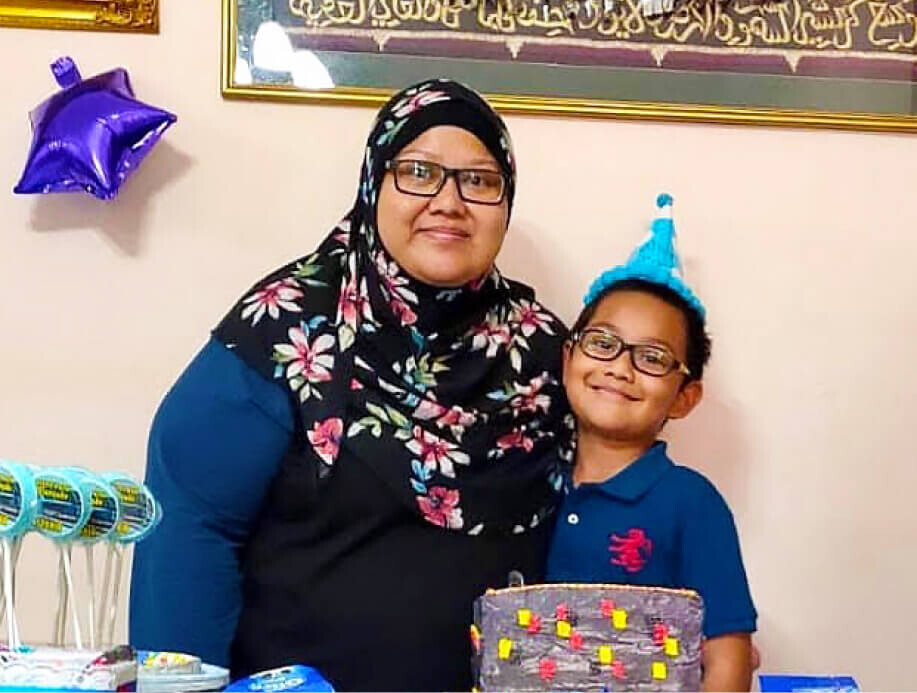
Why the preschool part matters
The old Preschool Package only rewarded a child who hit the attendance target. The July 2026 version adds intermediate milestones, so a family that is getting a child to preschool more often than before still gets recognised. It also brings in a cash component for immediate needs, instead of paying only into the CDA.
Cash can help with immediate needs, which is the point of the change. MSF says 2,870 of 5,043 eligible children had been placed on the package as at December 2025, before emplacement was removed.
If you are budgeting for the child’s costs yourself, our guide to lower preschool fees of S$150 a month for childcare shows what is coming on the fee side.
Savings are still the weak spot
The report is candid that support does not fix everything. MSF’s survey finds around 1 in 6 ComLink+ families have enough savings to cover at least three months of basic household expenses. Irregular income, caregiving duties, health issues and debt make it hard to save steadily.
Among families that joined ComLink+ from 2023, 21% had no family member in stable employment with regular income across 2023 to 2025. That is why the employment payouts are tied to income bands and continued work.

How families get on ComLink+
A ComLink+ family is one that has agreed to come onboard and receive support from family coaches or FSC case workers. The packages are offered through those coaches and case workers, so the first step is a conversation with them, or with your nearest FSC.
- Ask your family coach or FSC case worker which packages your family qualifies for.
- Keep preschool attendance above 50% each quarter to unlock the partial payout, and 75% for the full one.
- Check that CPF contributions are being recorded, since the employment payout uses CPF records.
- Read the full report on the MSF website for the exact rules.
Other family schemes are separate from ComLink+. For example, the SG Child Support Package needs your child’s PayNow linked before 1 April 2027. Also check the year-end school holiday dates for planning the weeks ahead.
Source: MSF, Supporting Lower-Income Households Trends Report 2026, published 16 November 2026.