A few years back, I do not remember packs of chickens casually jogging through my day.
Nowadays, I see them at Punggol Park. Whole packs. Running around like they own the place.
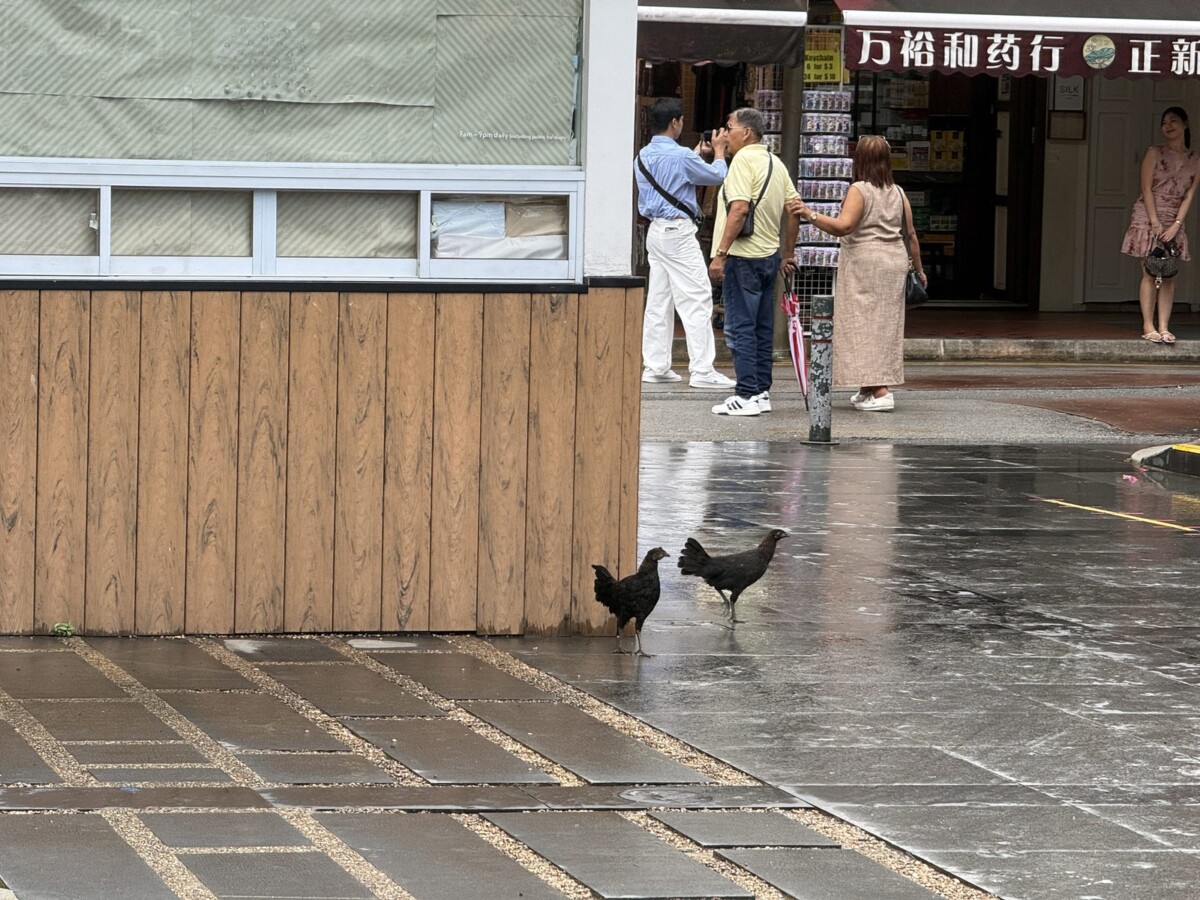
Even near where I work, by Chinatown, there is a family of chickens that keeps crossing the road along the Chin Swee Road Tunnel. Left, right, left, right. Up, down, up, down. Every day. Same energy as that one relative who somehow always ends up in every group photo.
So of course the Singaporean brain does what the Singaporean brain does.
Egg prices went up. Hawker prices went up. Everything went up.
And these birds are… right there.
Free-range. Proper free-range. No barn. No middleman. No NTUC queue.
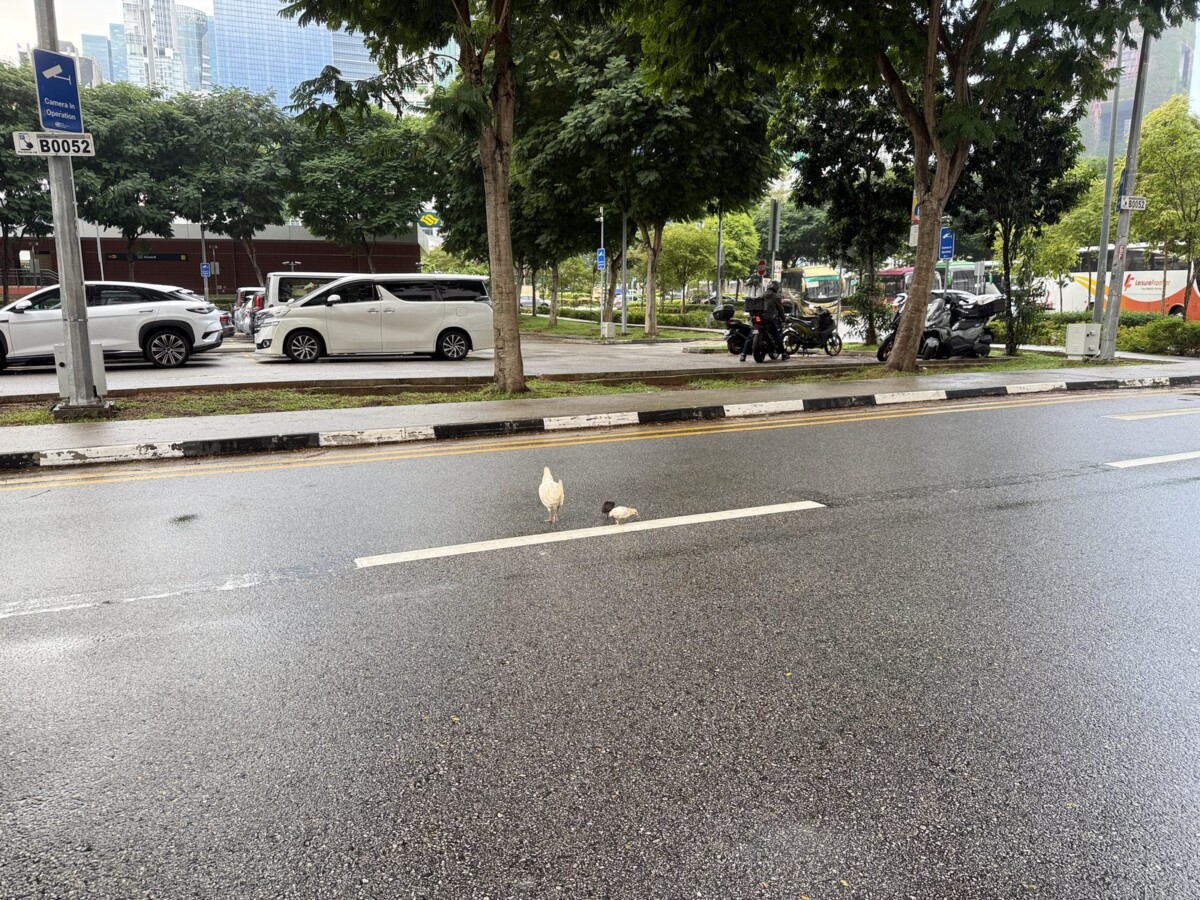
So can I catch them? Keep them? Make them lay eggs for my own use? Maybe a little weekend curry, if one is being especially rude on the zebra crossing?
I actually checked.
Short answer: no. Please do not.
Under the Wildlife Act, you generally cannot intentionally kill, trap, take or keep wildlife without written approval. The ordinary penalty can go up to a $10,000 fine and/or jail of up to 6 months.
Inside parks, the Parks and Trees rules also bar capturing or displacing animals without approval. NParks made that clear again after a 2024 case at Pasir Ris Park involving an alleged chicken catch.
Feeding them is also a no. Cute snacks for chickens is not a community service. It is how flocks get bolder, stick around, and breed more.
So the “Punggol free-range as NTUC substitute” plan dies here.
But egg prices though
Walk into FairPrice and look at the free-range shelf.
Ordinary hen eggs still hurt a bit compared with a few years ago — official retail prices for a pack of 10 sat in the low $2s around 2020, jumped past $3 by late 2022, peaked around $3.39 in early 2024, and still hang around the low $3s.
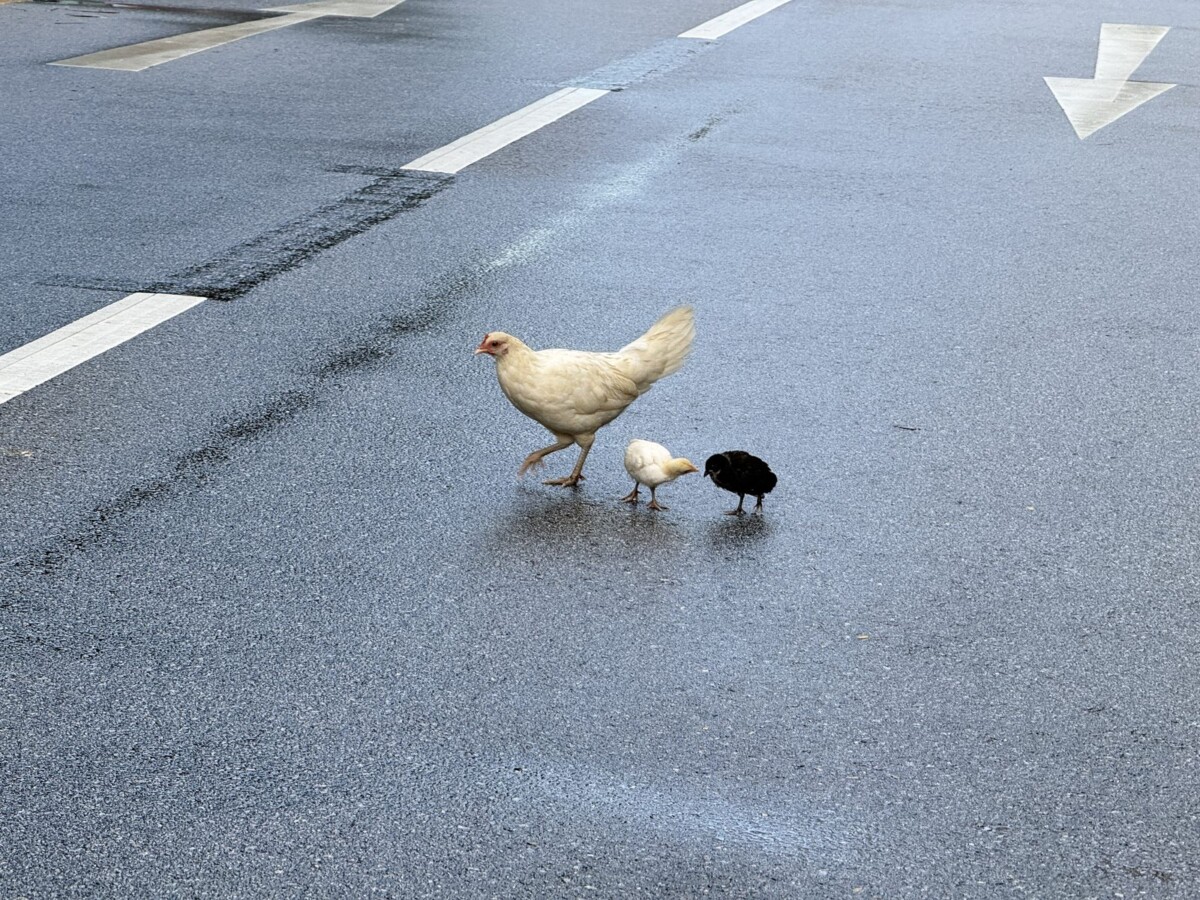
Then you look at the organic free-range cartons.
Golden Irish organic free-range at NTUC: about $11.55 for six. Contented Hen organic free-range: about $14.80 a dozen. Some Australian organic boxes go even higher.
That is real money for birds that, in theory, got to stretch their legs.
Meanwhile, outside Punggol Park and along Chin Swee, the free-range programme is running on public pavement. Zero packaging. Zero chilled shelf. Full ERP-adjacent cardio.
A rooster is crowing at 5am like he is personally responsible for your CPF statement.
I get the temptation. I really do.
Still illegal.
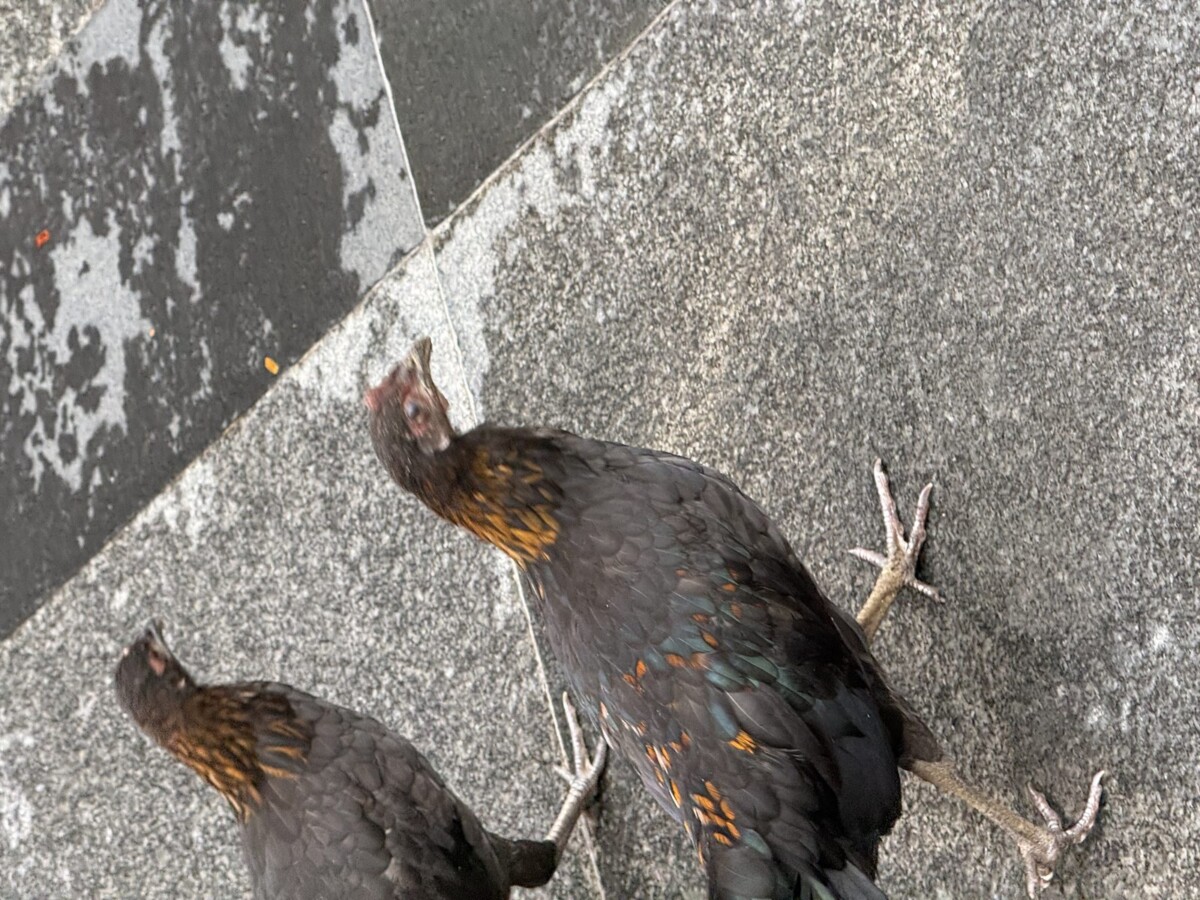
Can I keep chickens at home then?
Depends where you live.
In an HDB flat: no. Poultry is not allowed, for public health and neighbour reasons. HDB has said so plainly.
On private property (think landed): in principle, yes, with limits. AVS guidance allows poultry on private properties, capped at 10 birds per household. They need to be secure and escape-proof. This is for non-commercial keeping. You are not starting a kampung farm next to the black-and-white.
Condo / MCST: the national rule may allow it on private property, but your managing body can still say no. Check the house rules before you buy a cute Silkie and a tiny coop.
Important catch: legally kept birds are birds you obtained legally. Catching the Chin Swee Road Tunnel family and calling it “rehoming” is still catching wildlife.
Also, if you want to sell eggs or run anything that looks like a farm, that is a different licensing world under SFA/AVS. Hobby backyard eggs for yourself is one thing. Side hustle is another.
Who do I even call?
Rough map:
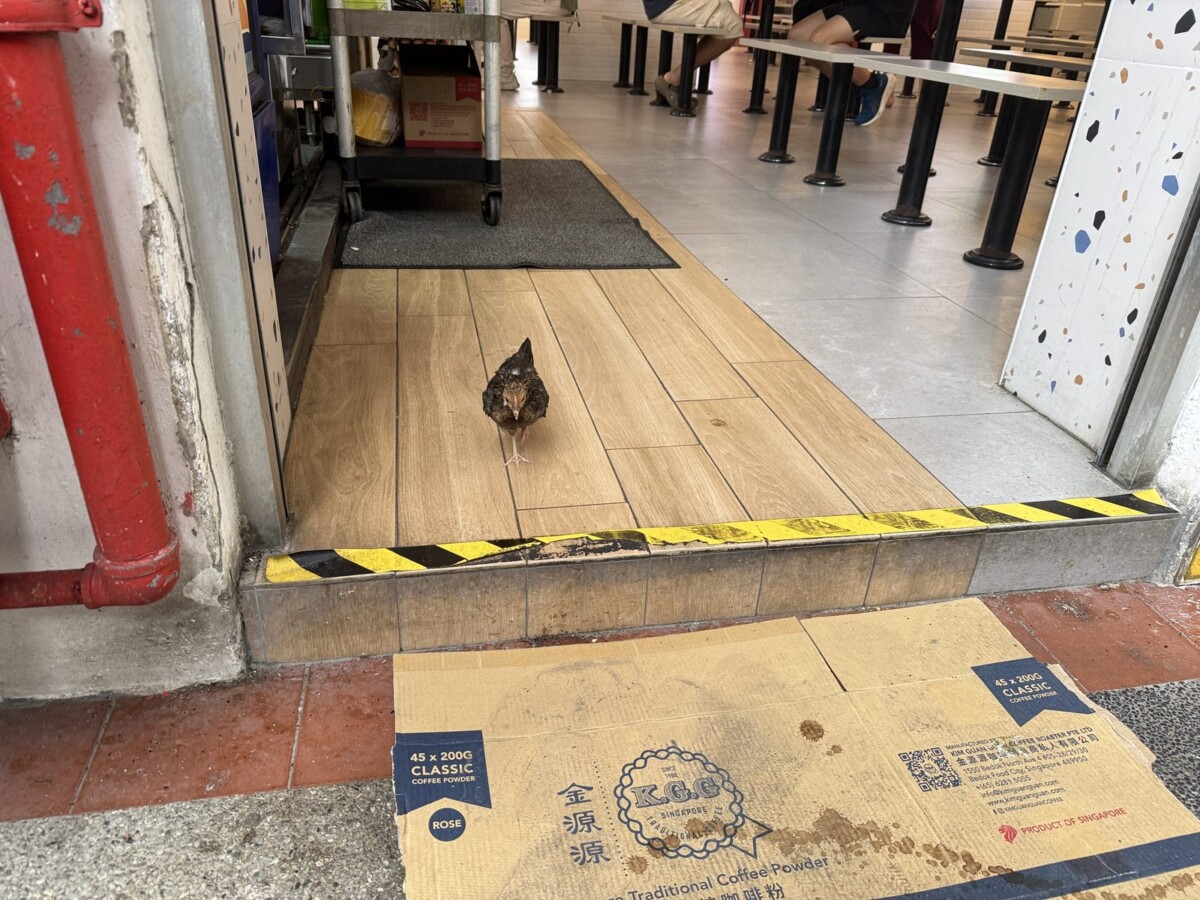
- Town Council / OneService — if the flock is making a mess or noise in an HDB estate
- NParks (1800-476-1600) — wildlife offences, parks, suspected trapping
- HDB — if someone is keeping poultry in a flat
- SFA — food safety side (buy poultry and eggs from approved sources)
- AVS / NParks — pet poultry rules and animal health
NParks’ general advice when you meet animals in parks: leave them alone. Do not feed. Do not touch. For food safety, buy poultry products from approved sources only. Street chicken is not “farm to table”. It is “fine to Instagram, bad idea to marinade”.
Will they just keep breeding?
That is the real question behind the jokes.
Feedback on free-ranging chickens in residential estates has been in the thousands per year in recent years. Complaints have grown as birds show up in more estates. Some are domestic or “kampung” types. Some are hybrids. Some look like abandoned ornamental pets (Silkies, Serama and friends). Red junglefowl are a different story — native wildlife with their own look and call — but by the time a bird is weaving through Chin Swee traffic, most of us are not doing a BirdLife ID quiz.
Official approach of late: work with town councils on population control and habitat tweaks, educate people not to feed or release birds, and not bank on island-wide relocation as the big fix. Feeding helps them survive and breed. Abandoning pets adds to the flock. Then everyone acts surprised when the roundabout has a board meeting of hens.
Culling has historically been framed as a last resort, including disease angles. The 10-bird non-commercial cap exists partly because avian disease risk is real.
So yes — if people keep feeding and dumping, the packs will not politely thin themselves out for your morning run.
So what now?
Watch them cross. Laugh a little. Take a photo if you want.
Do not catch them for dinner.
Do not build a secret HDB egg empire.
Do not feed them leftover kaya toast “because they looked hungry”.
If they are a nuisance where you live, tell the Town Council. If someone is trapping birds in a park, tell NParks.
And if free-range egg prices at NTUC still sting, do what the rest of us do.
Wait for the FairPrice promo.
Or just accept that in 2026 Singapore, even the chickens have better work-life balance than you — free-range lifestyle, zero ERP, and somehow always on your side of the road.
Just not on your dinner plate.