A biscuit tin labelled for needles and thread. A milk tin used for takeaway drinks. A canned-food tin given another job as a rice scoop.
At SHIPPED! Vessels of Taste, there is quite a lot to talk about before we even get to the shipwrecks.
I visited ArCH Square on 28 October for the media preview of this exhibition, co-created with Museum of Food. The visit brought together archaeological finds, storytelling and familiar kitchen objects. Here is a closer look at the things I photographed, and the stories behind them.
A Little History at Jalan Sultan
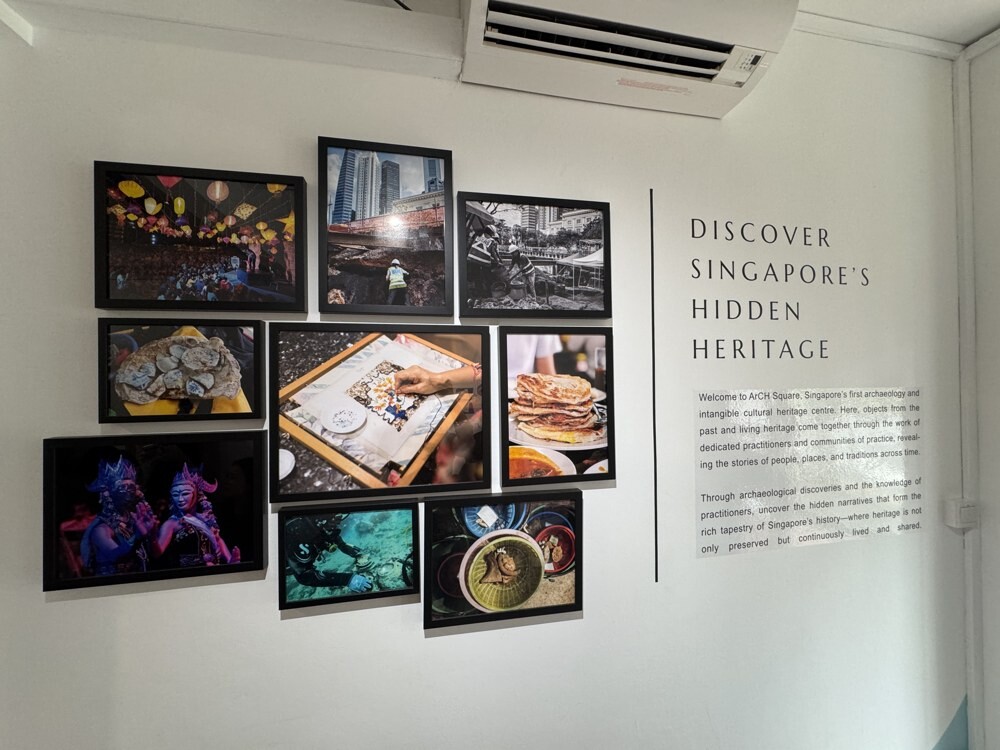
ArCH Square is at 125 Jalan Sultan. Its welcome wall pairs photographs of excavations and underwater finds with food, craft and performance. That gives you a useful introduction to the centre: objects from the past sit alongside traditions that people still practise.
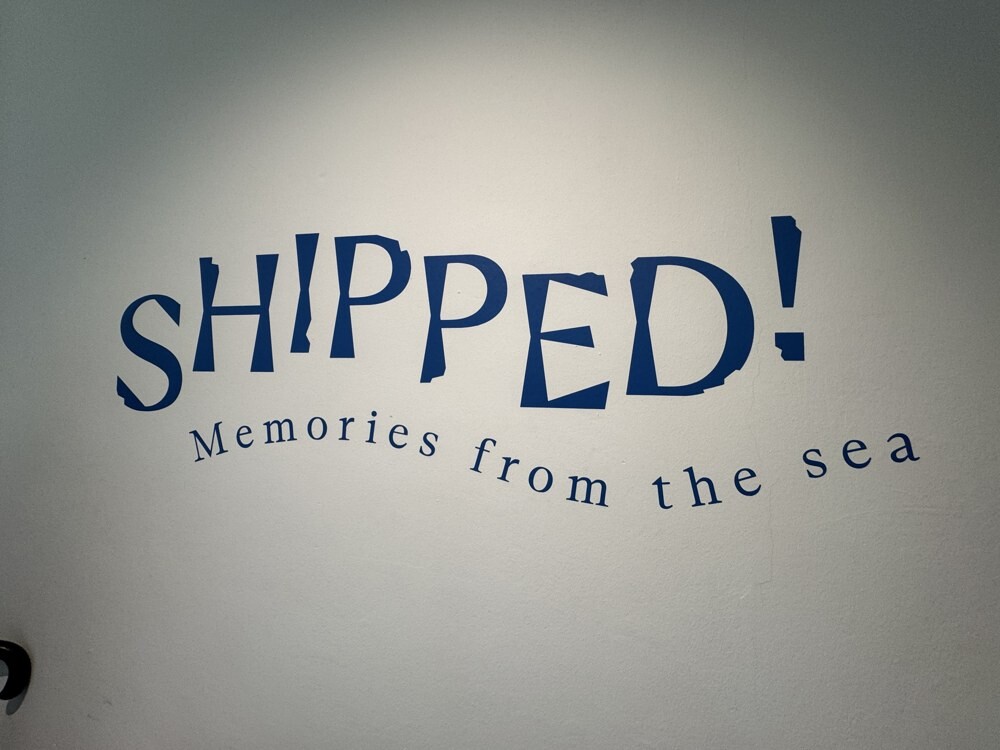
Vessels of Taste builds on SHIPPED! Memories from the Sea. The new food-focused exhibition asks what ceramics, bottles and jars can reveal about preparing, preserving, serving and sharing food. A jar was useful cargo, but it was also part of somebody’s kitchen.
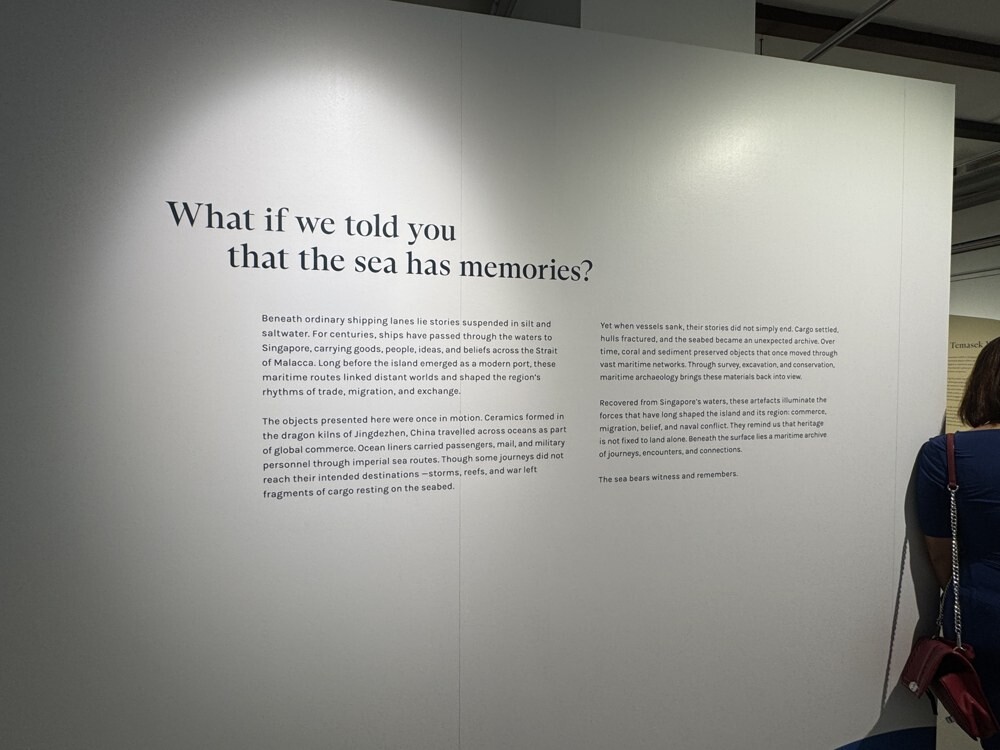
The introductory panel explains how wrecks can preserve evidence of journeys that never reached their destinations. Cargo settled on the seabed, where sediment and marine growth sometimes protected it. Archaeologists recover these objects and study where they were found, piecing together the people and trade routes behind them.
The Shah Muncher: Trading Before 1819
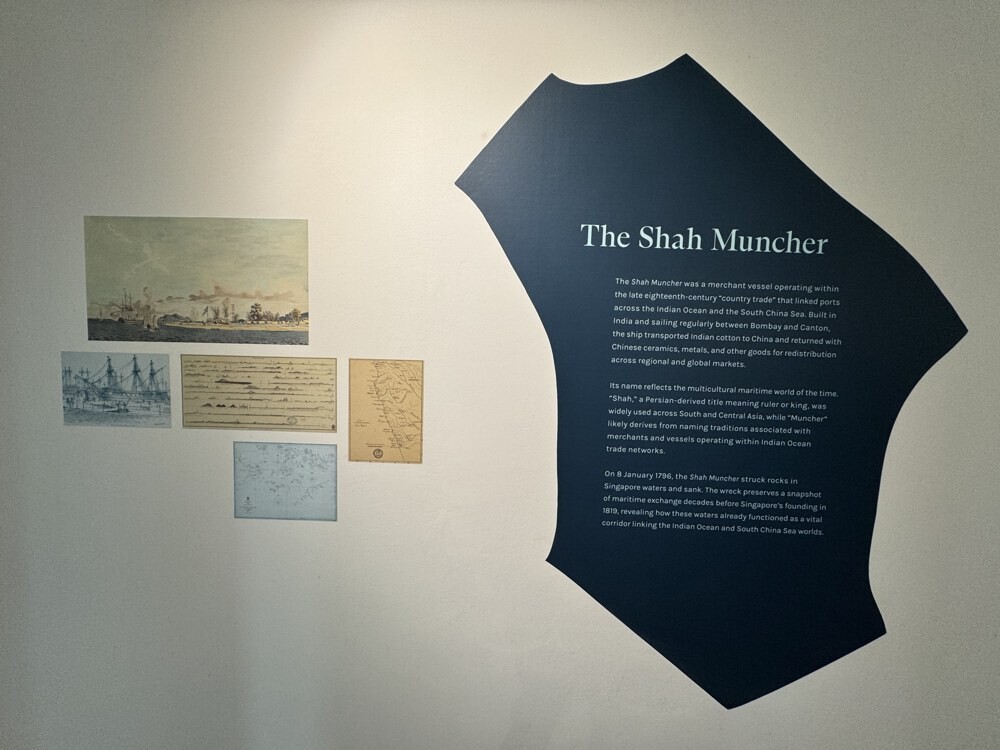
The Shah Muncher panel takes us back to the late 1700s. Built in India, the merchant ship regularly sailed between Bombay and Canton, carrying Indian cotton to China and returning with Chinese ceramics, metals and other goods.
According to the display, it struck rocks in Singapore waters on 8 January 1796 and sank. That is 23 years before 1819. These waters were already part of a trading network linking the Indian Ocean and the South China Sea.
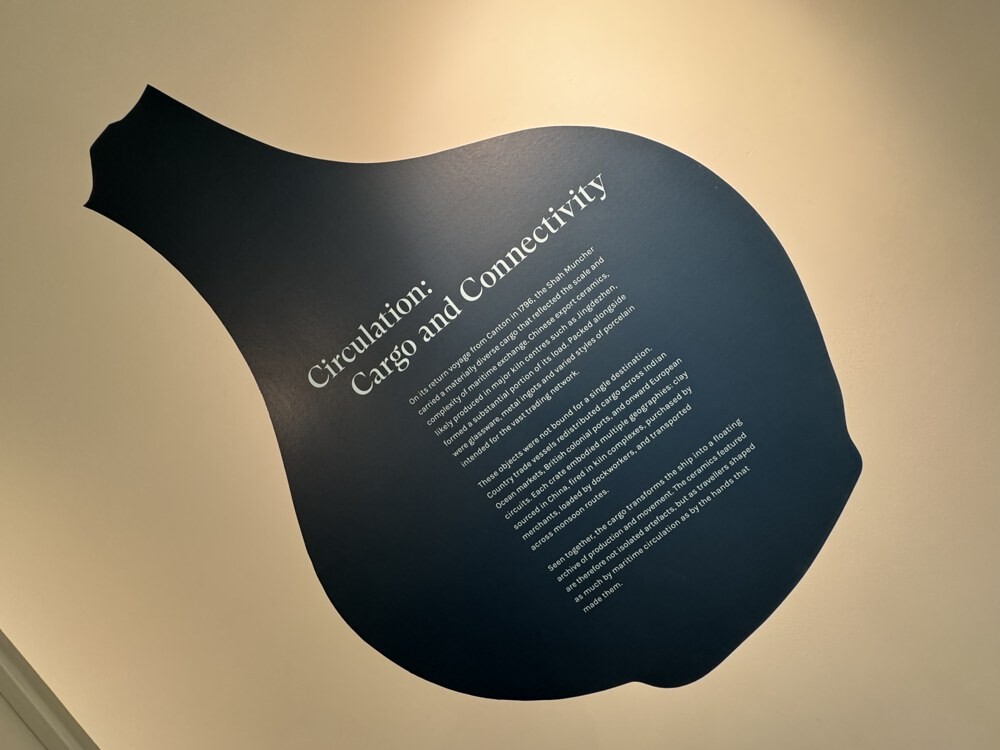
The cargo was not necessarily heading straight from one producer to one final customer. Goods could be unloaded, redistributed and sold onwards through different ports. Think of the number of hands behind a delivery today, then remove the tracking app. Potters, merchants, dockworkers and sailors all had a part in getting these objects across the sea.
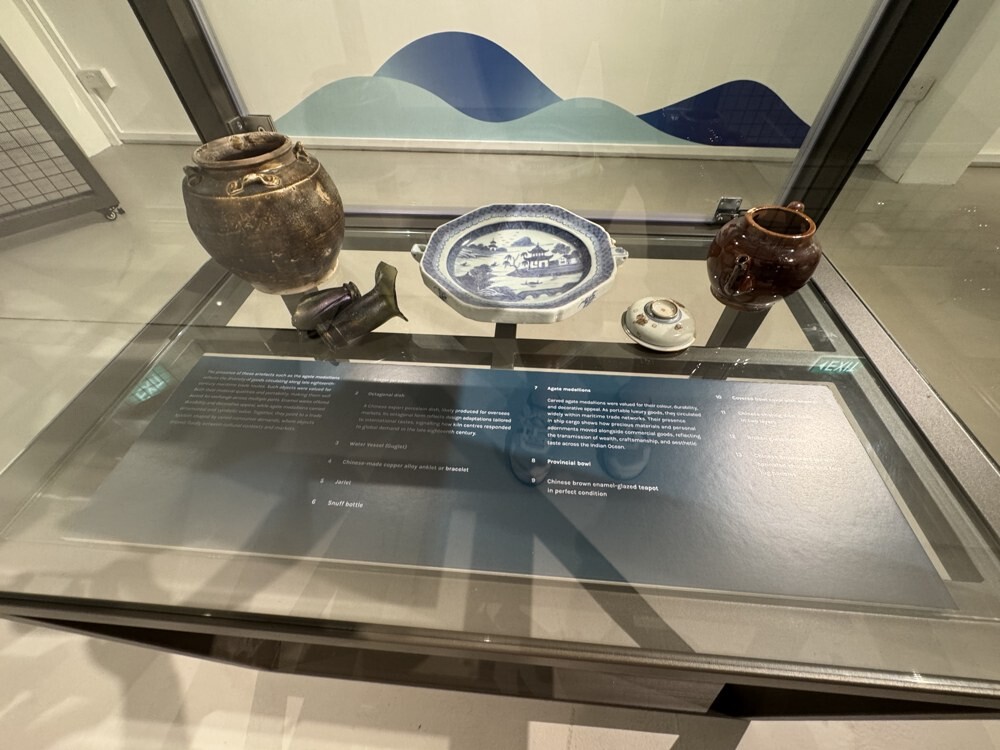
Among the pieces I photographed are a storage jar, an octagonal dish and a brown glazed teapot. The octagonal dish’s label suggests it was made for overseas markets. Even the shape of a plate can tell us that makers were paying attention to customers elsewhere.
Dragons and Horses Had Passports Too
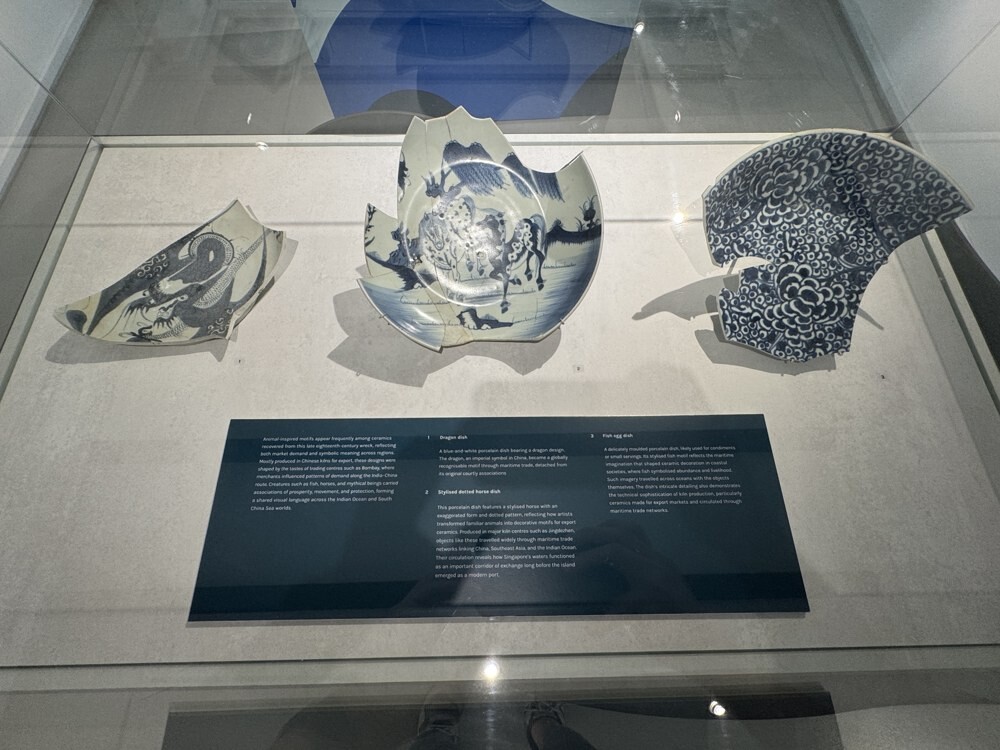
One display brings together a dragon dish, a stylised horse dish and a fish-egg dish. The labels explain how familiar animals and mythical creatures carried ideas of protection, prosperity and movement across different markets.
The horse is particularly noticeable, with its exaggerated shape and dotted body. These were objects made for use and sale, with designs that appealed to people far from the kilns where they were produced.
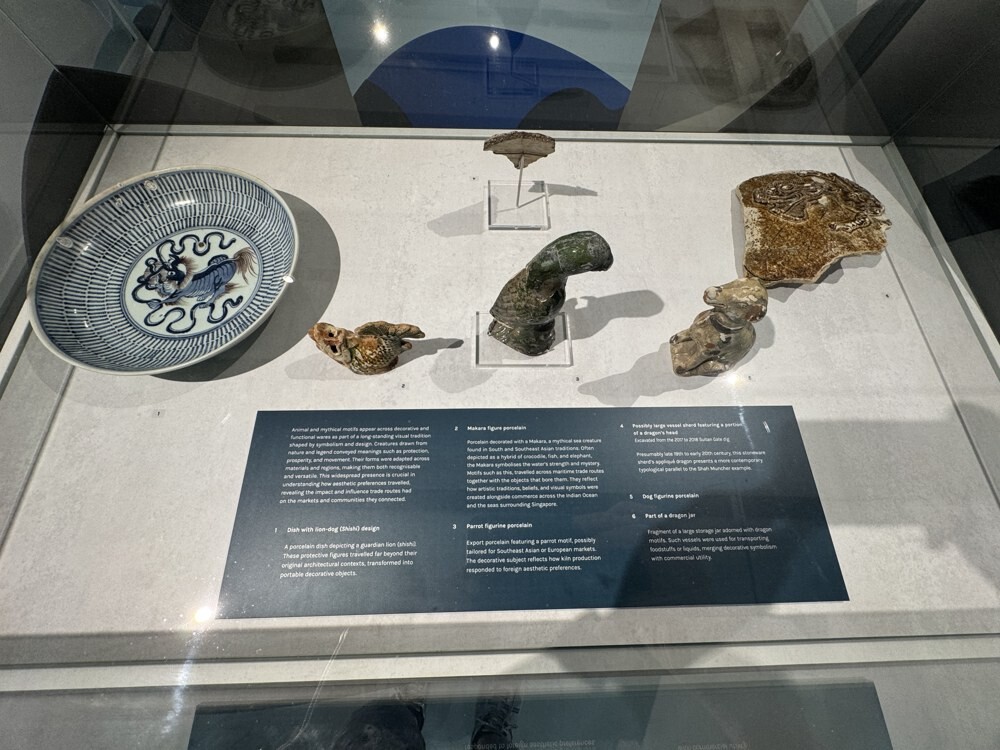
Nearby are a guardian-lion dish, animal figures and dragon-decorated fragments. A large jar could carry food or liquid and still have decorative meaning. Practical does not have to mean plain. We still choose a mug partly because we like what is printed on it.
My reflection also made it into the glass. I went to photograph the artefacts and accidentally added myself to the collection.
The Temasek Wreck: A Much Earlier Connection
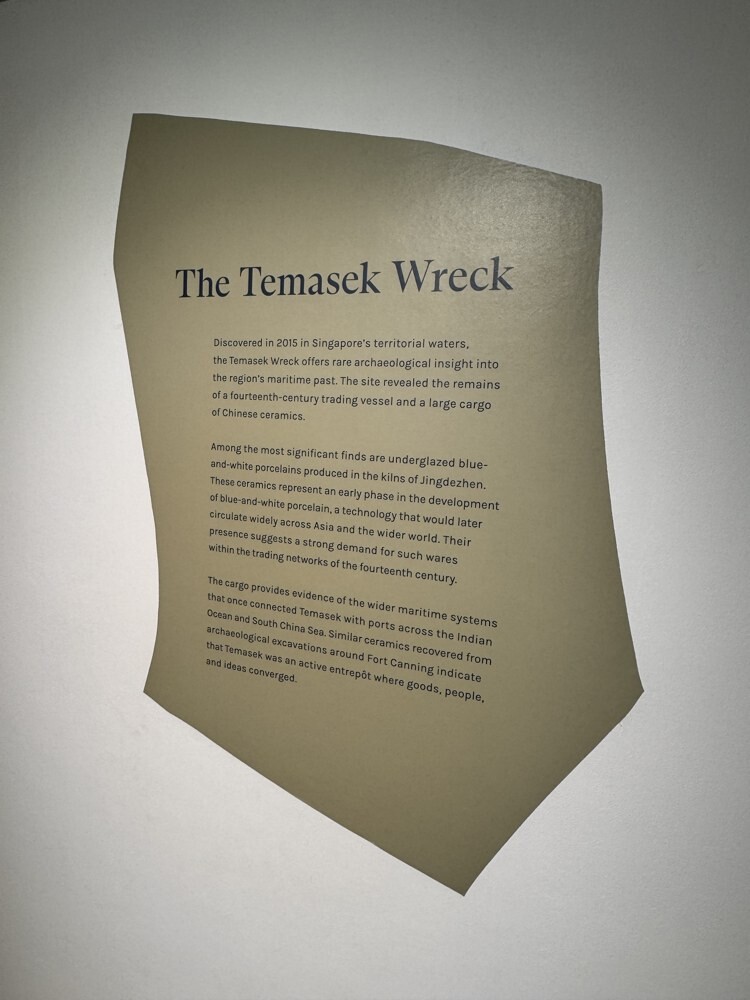
The Temasek Wreck, discovered in Singapore’s territorial waters in 2015, takes the story further back. The panel describes a fourteenth-century trading vessel carrying a large cargo of Chinese ceramics, including blue-and-white porcelain from Jingdezhen.
Similar ceramics found around Fort Canning help connect the underwater finds with life on land. They point to Temasek as a place where goods, people and ideas were already meeting centuries ago.
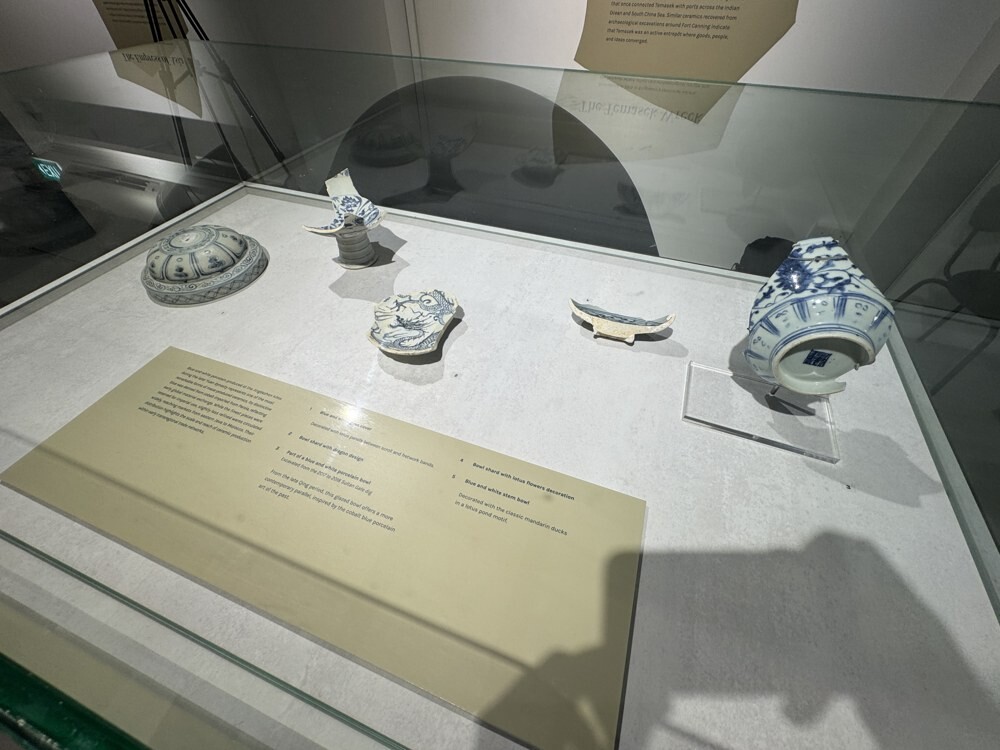
The display includes a covered bowl, a stem bowl and decorated fragments. The labels also distinguish a later bowl fragment from the Sultan Gate excavations. Looking similar does not automatically mean belonging to the same time or wreck. The context matters as much as the pattern.
Hafiz Rashid Brings the Stories Into the Room
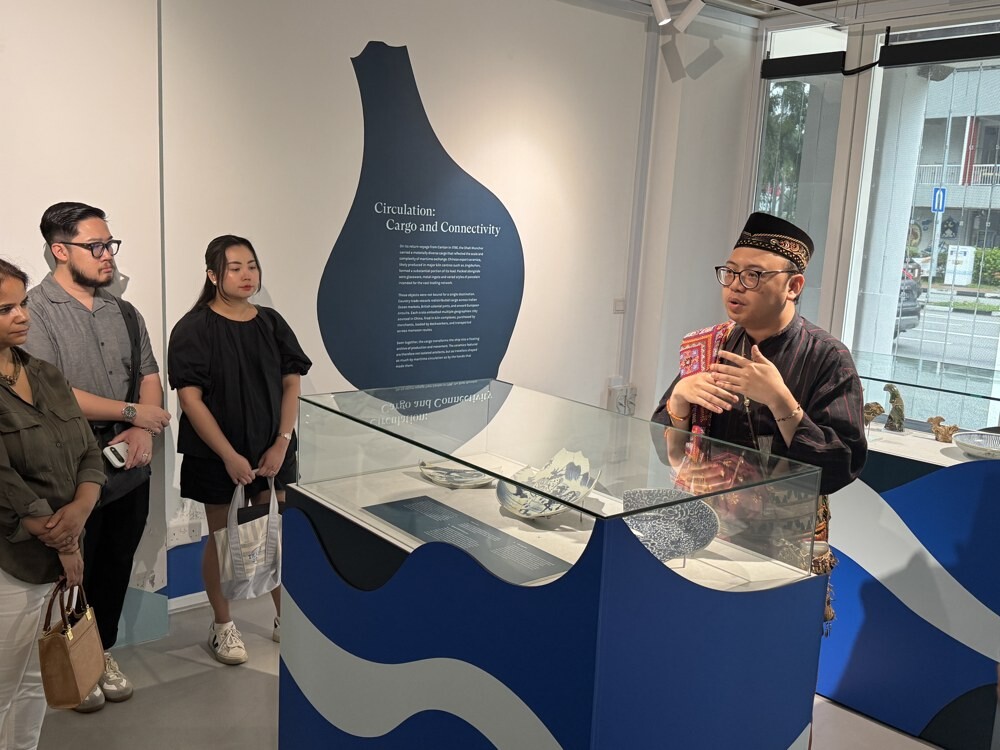
The media preview included a storyteller-led tour by Hafiz Rashid. We gathered around the cases as he spoke, moving between the archaeological objects and the everyday kitchen displays.
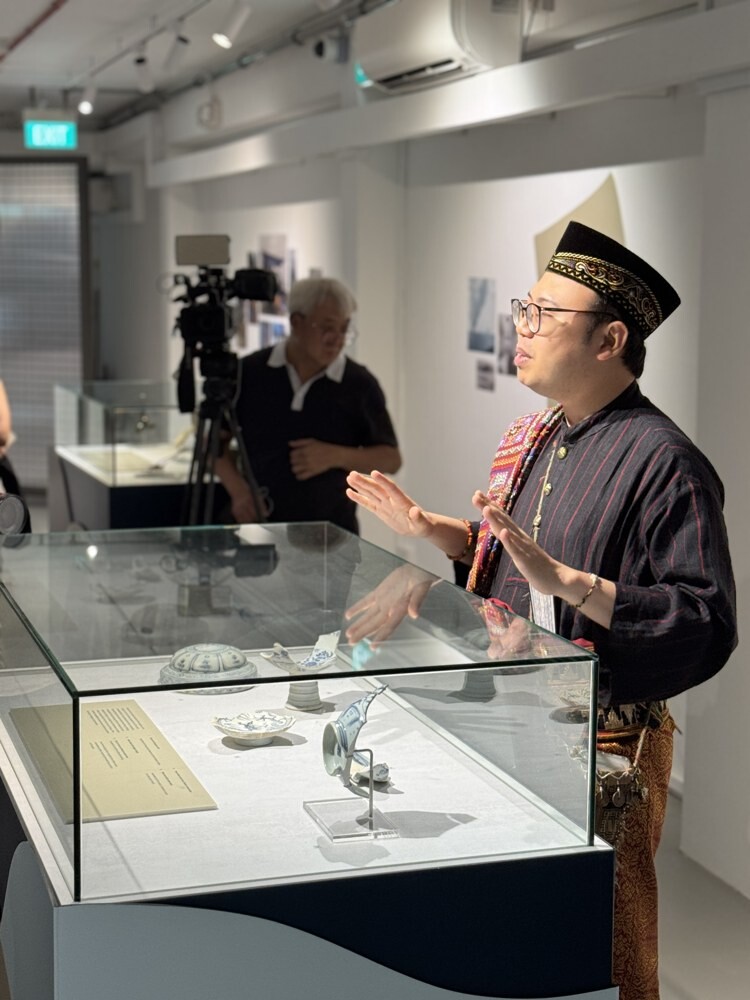
There is a useful connection here. The objects give us physical evidence, while storytelling connects with the traditions and memories people continue to share. The exhibition’s public programme includes Stories in the Shards, a separate storytelling experience to look out for when checking the listings.
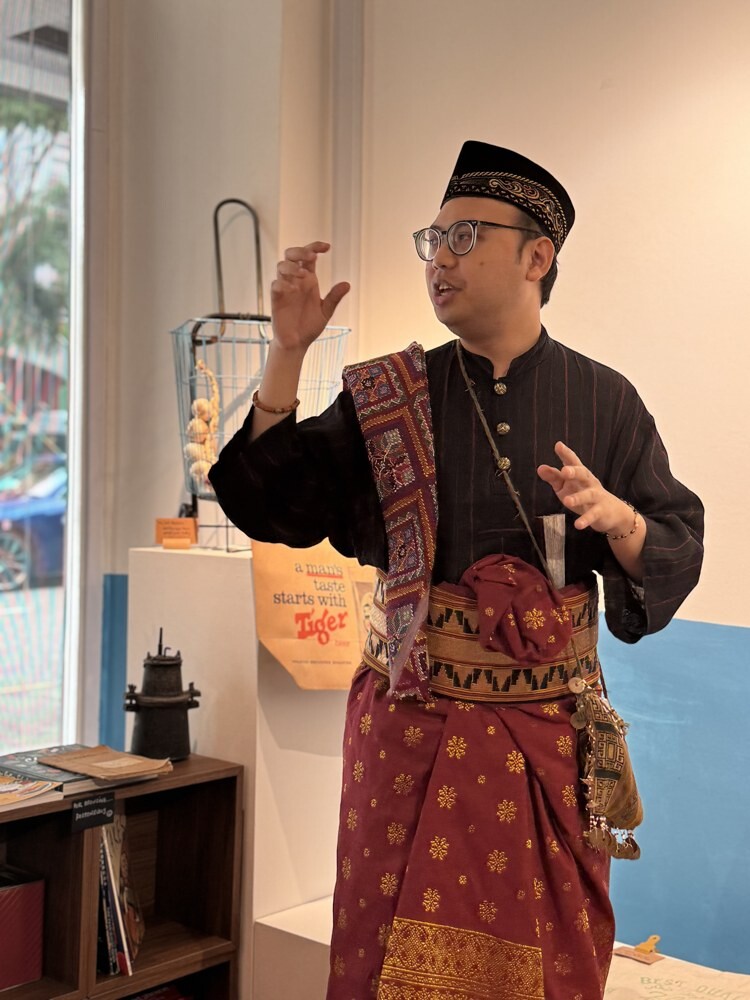
A display label has limited space. A storyteller has a roomful of people to work with. My job was simpler: listen, take photographs, and try not to collect another reflection in the glass.
The Empress of Asia: Tableware, Tiles and Wartime
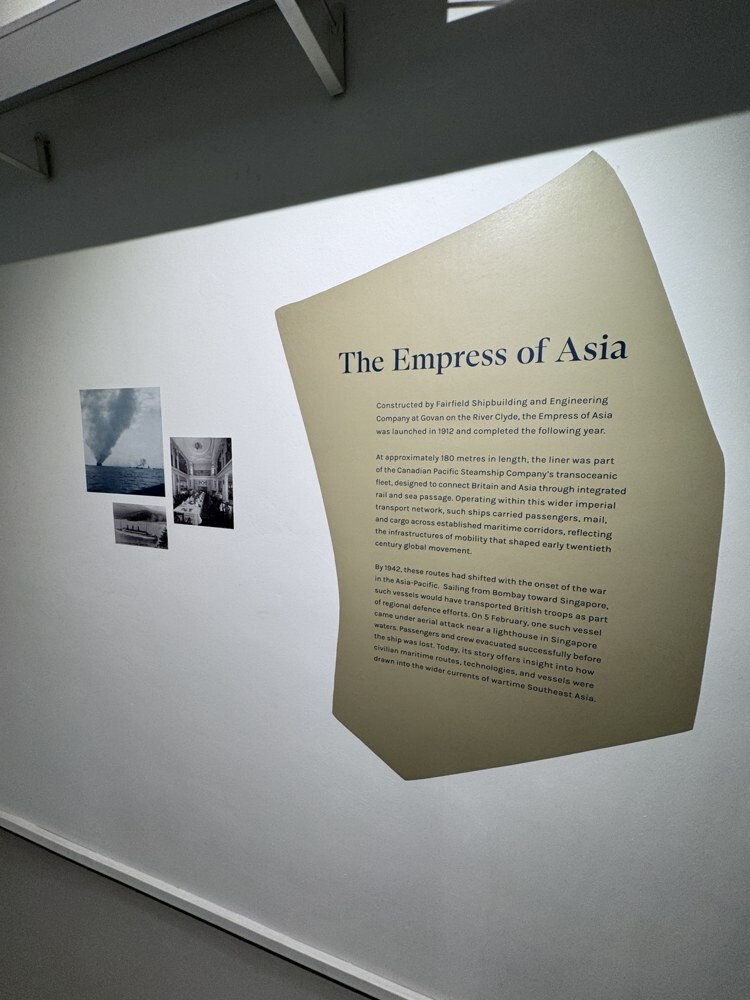
The Empress of Asia belongs to a different period. Its panel describes a roughly 180-metre passenger liner, launched in 1912 and completed in 1913, that carried passengers, mail and cargo as part of a wider transport network.
During the Second World War, it was used to transport troops. The display records its loss after an aerial attack in Singapore waters on 5 February 1942. The objects recovered from the wreck bring the ship’s everyday spaces into view.
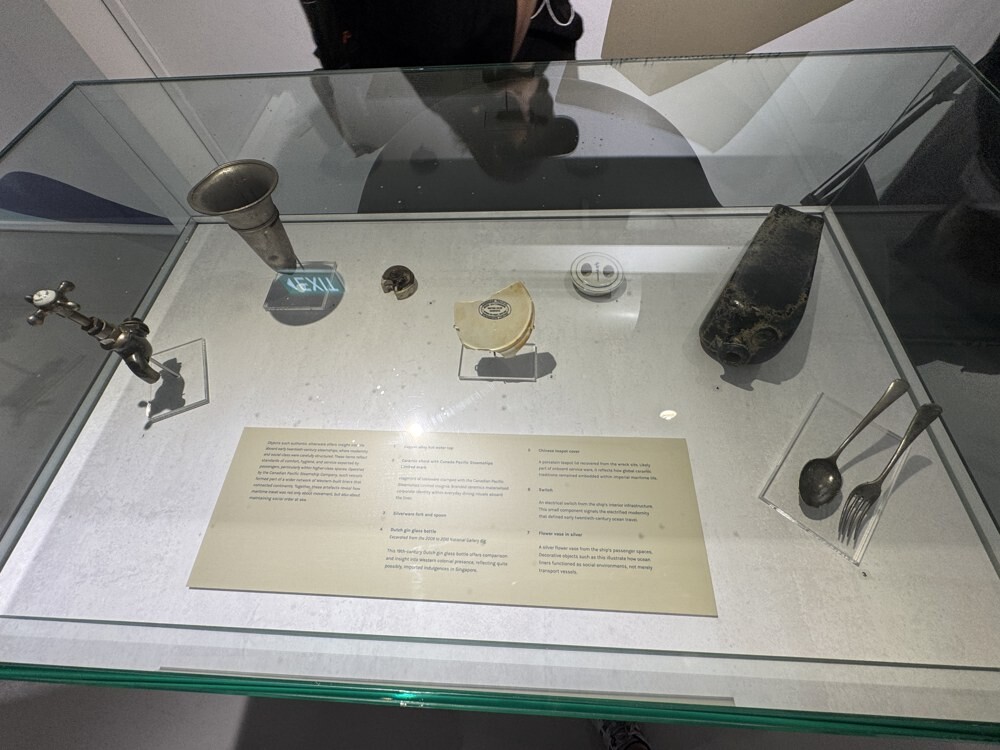
There are utensils, tableware and fittings. A flower vase points to the effort made to furnish passenger areas, while plates and cutlery bring us back to meals at sea. A liner needed to be somewhere people could live for the duration of a journey.
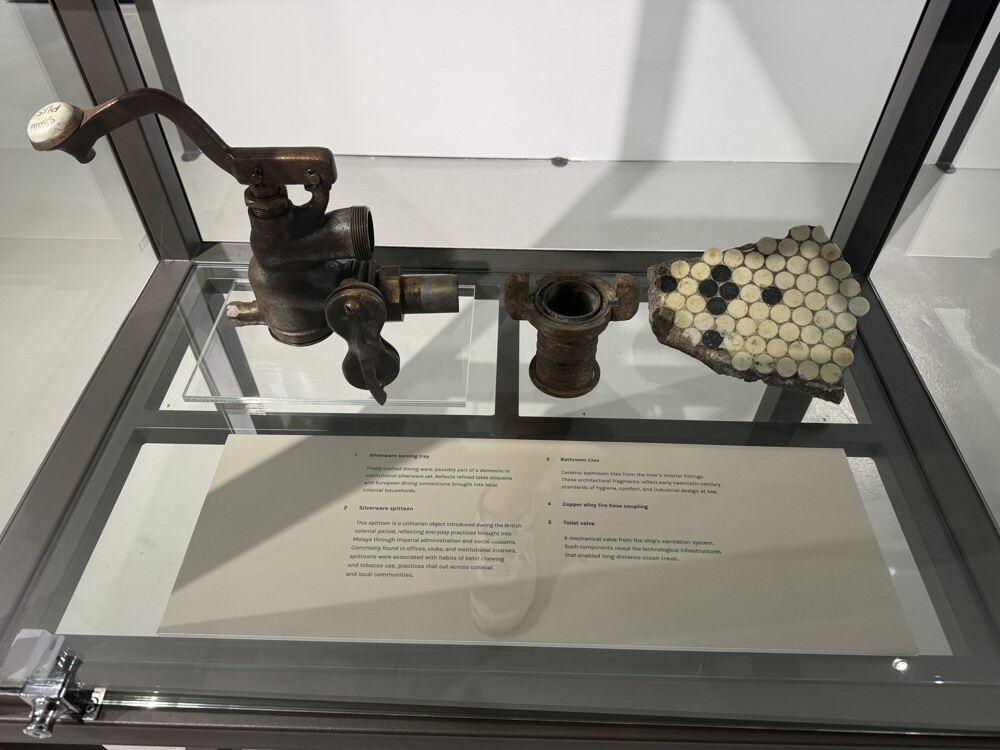
Then come the less glamorous essentials: a toilet valve, a section of bathroom tiles and a fire-hose coupling. It is easy to focus on the dining room and forget everything needed to keep a ship operating. These pieces help fill in that picture.
Before the Glass Case Comes the Hard Work
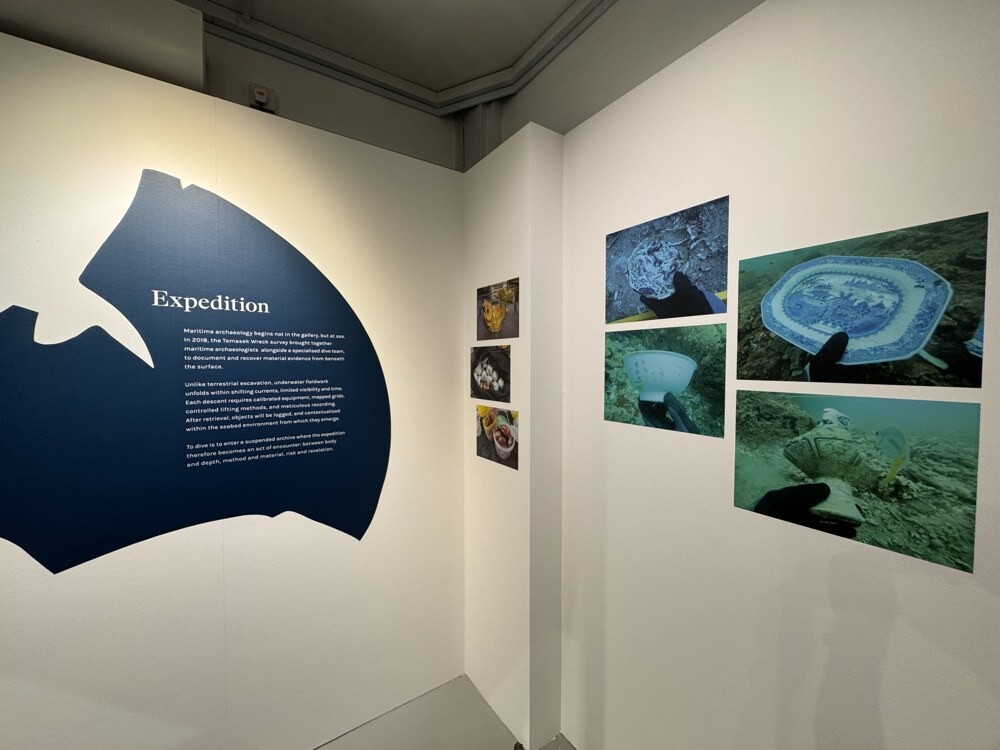
The expedition panel explains that underwater archaeology means working with shifting currents, limited visibility and a restricted amount of time. Divers document positions, use controlled lifting methods and record their finds carefully. Once recovered, the objects still need to be logged and understood in relation to the site.
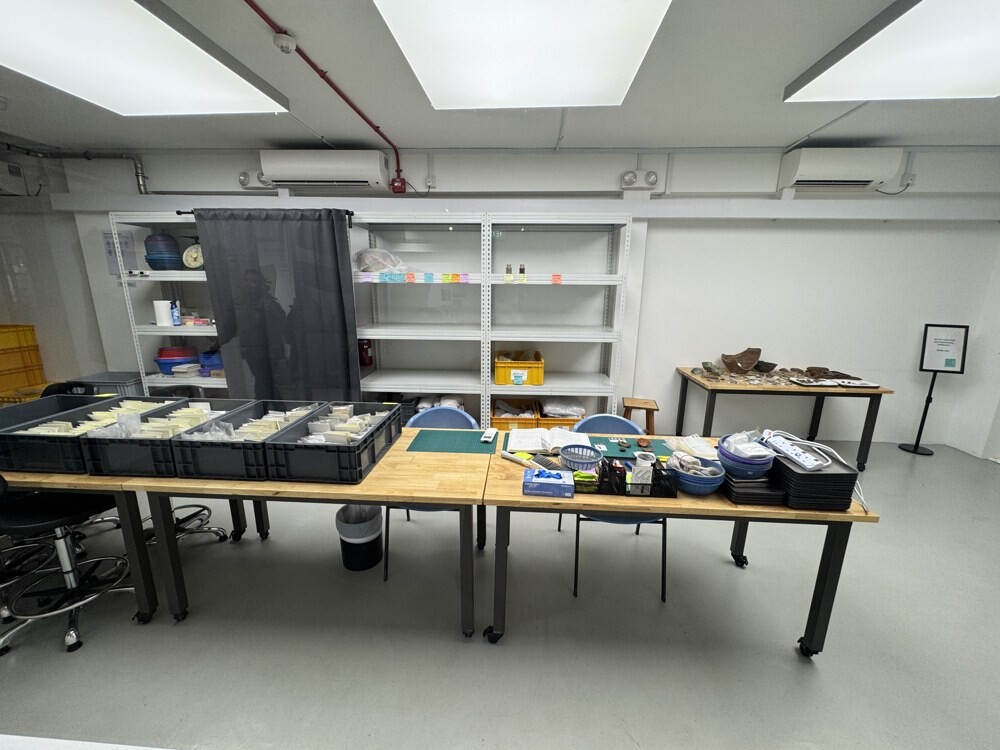
I also photographed a workroom with finds separated into bags and trays, tools laid out and records ready to hand. The polished gallery is only one stage of the process. Behind it is the patient work of sorting, checking and recording small pieces.
Back to a Very Familiar Kitchen Cabinet
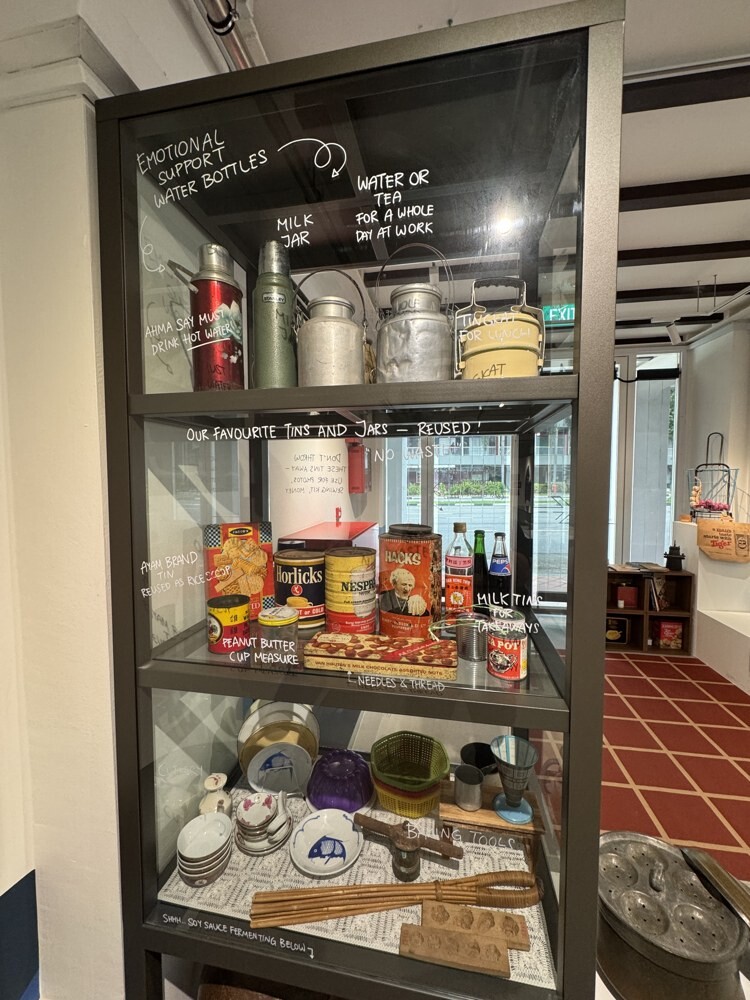
Museum of Food’s Anyone Can Cook section brings the story closer to home. Horlicks tins, milk-powder tins, a Hacks sweet tin, glass bottles, flasks and baking tools share the shelves.
Read the handwritten notes on the cabinet. A peanut-butter container becomes a measuring cup. A canned-food tin becomes a rice scoop. A chocolate tin stores sewing supplies. Once the original contents were finished, the container simply started another job.
The flasks and metal carriers have their own little associations with hot water, tea and lunch. You do not need to know the name of a shipwreck to understand why someone would keep a useful container.
Why Keep an Empty Cracker Tin?
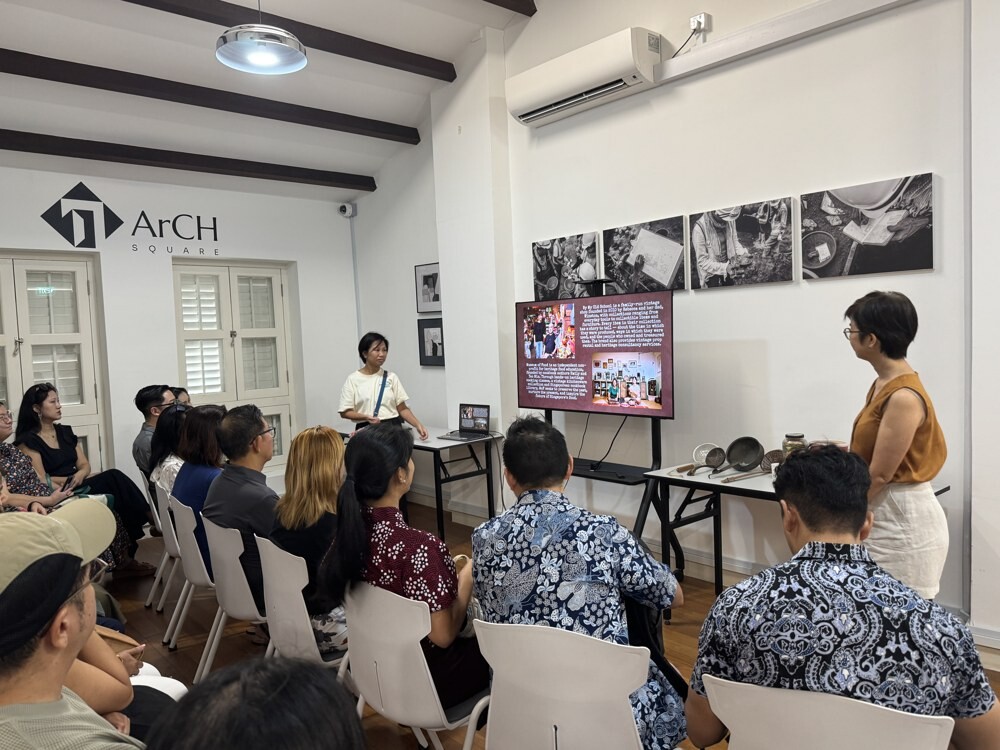
The preview’s time-capsule session brought more kitchen objects onto the table. The presentation introduced Museum of Food and By My Old School, then asked us to consider why everyday containers were saved rather than discarded.
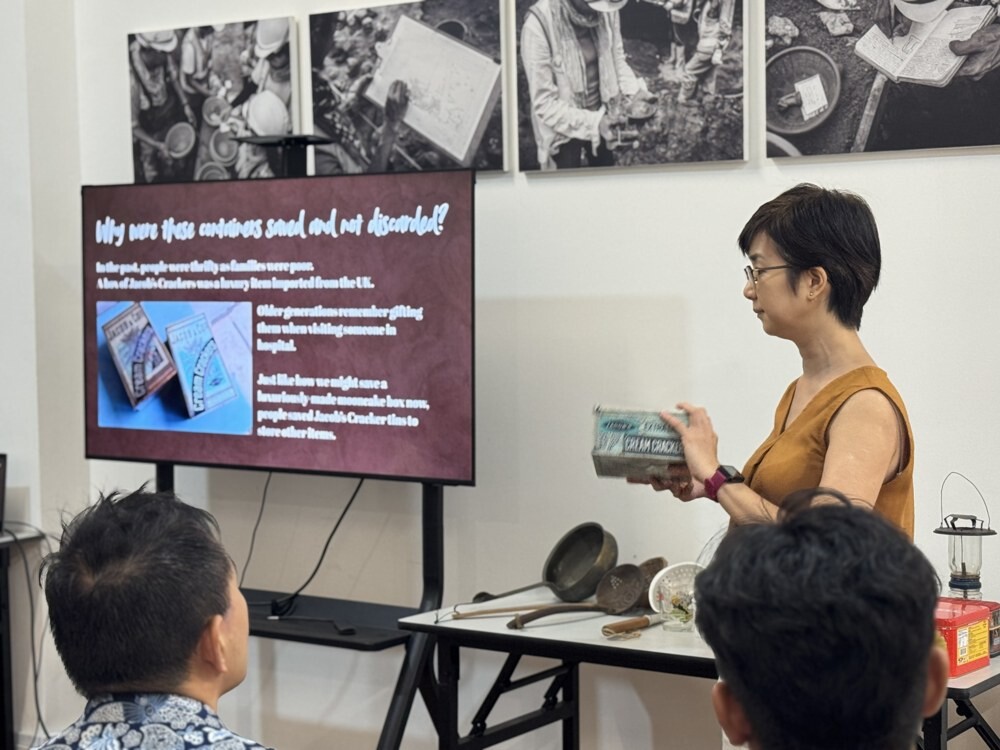
A vintage Jacob’s cracker tin made the point clearly. The presentation explained that imported crackers were once a luxury for many families, and older generations remember giving them when visiting someone in hospital. Keeping the tin was practical, but the object could also carry the memory of a gift.
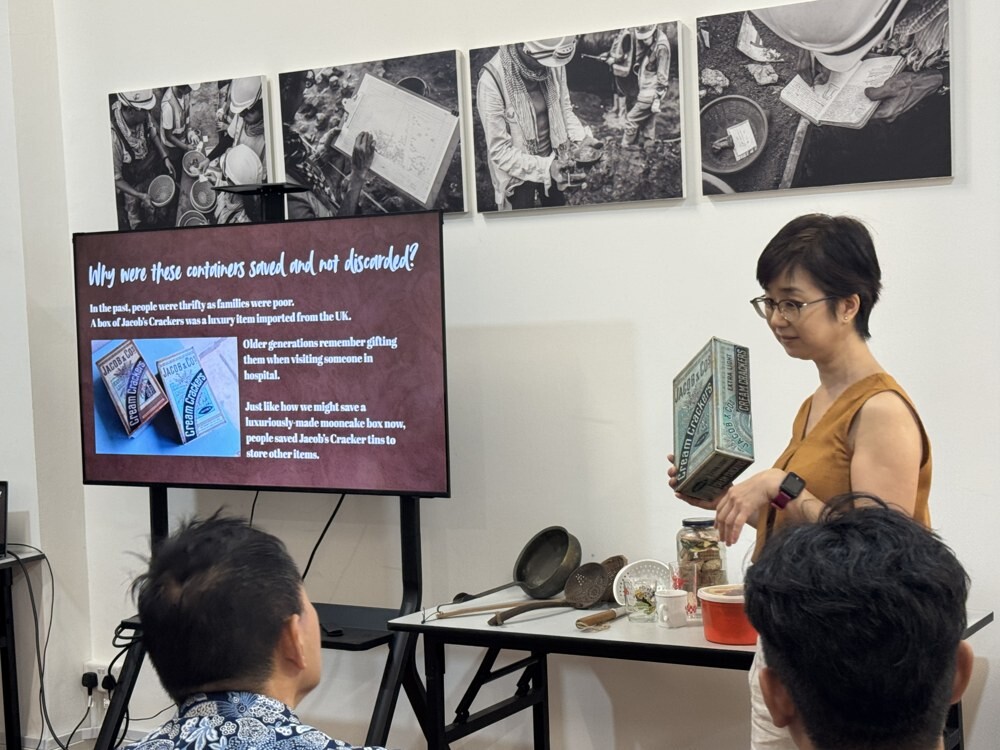
The comparison with today’s mooncake boxes makes this easy to relate to. The food is gone, but the box is sturdy or attractive enough to keep. Before long it holds something entirely different. Same habit, different packaging.
That gives the biscuit-tin time-capsule idea a little more meaning. The container itself already has a story before you decide what to put inside it.
A Favourite Cup, or a Meal for Someone?
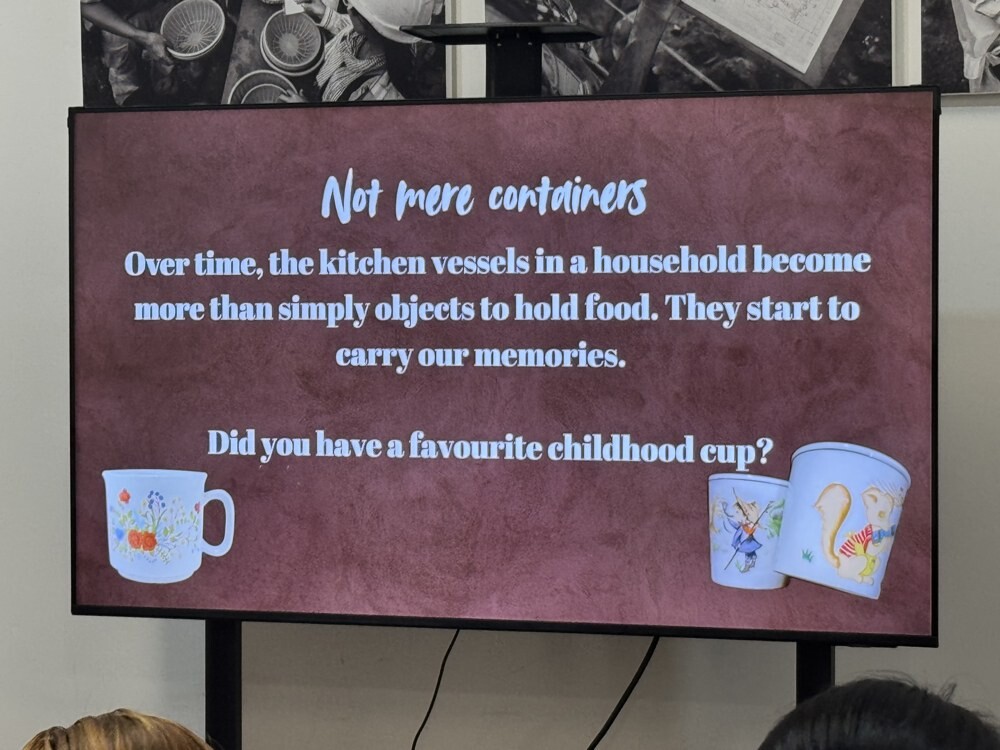
Another slide asked about a favourite childhood cup. A cup might have little monetary value, yet its colour, pattern or shape can be tied to a person or a particular time in life. That is something an inventory alone cannot fully explain.
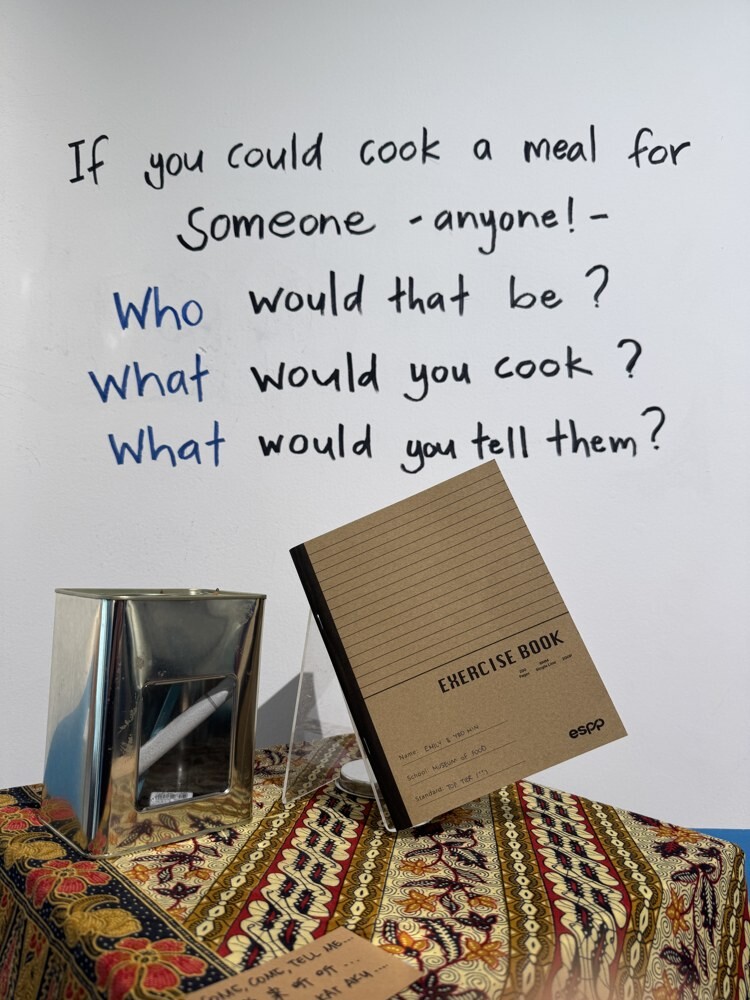
A nearby wall prompt asks you to choose someone to cook for, decide what to make and think about what you would tell them. It moves the focus from the equipment to the relationship. A meal can be a way of caring for someone, remembering them or passing on something they taught you.
Planning a Visit
SHIPPED! Vessels of Taste runs from 31 October 2026 to 31 March 2027 at ArCH Square, 125 Jalan Sultan, Singapore 199011.
The accompanying programme continues through March 2027. From November, Unarchived adds a monthly series of tours, food experiences and lunchtime lectures. Check ArCH Square’s programme listings and official Peatix page for current sessions and registration details. The activities shown from the media preview should not be assumed to run at every gallery visit.
For me, the connection between the archaeological finds and the kitchen cabinet is what gives this visit a story. A ship’s cargo tells us how objects travelled. A reused tin tells us how people made them part of everyday life.
If you go, give the small labels and handwritten cabinet notes some time. And if there is an old biscuit tin in your house, what is actually inside it?