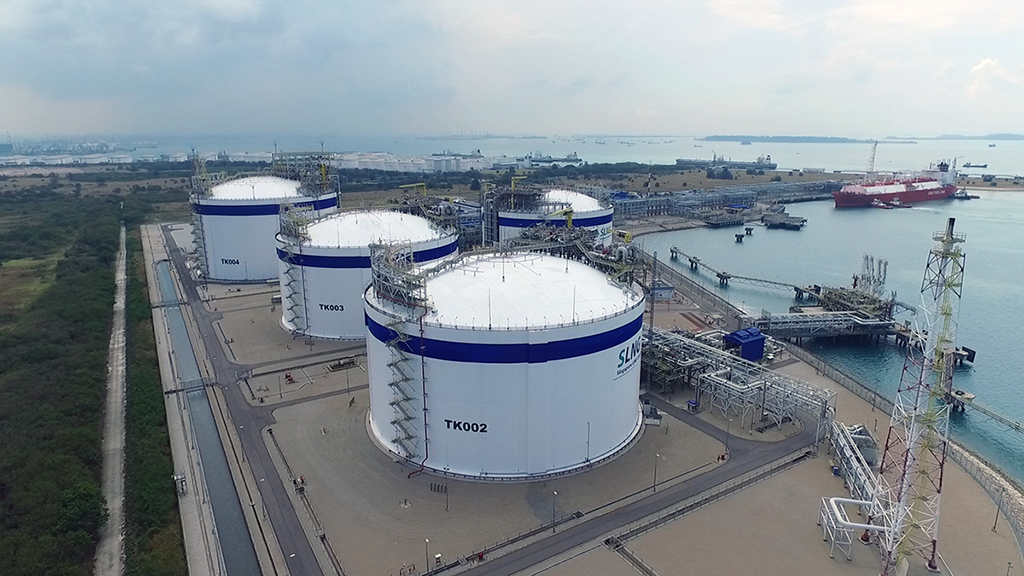
Singapore will bring five new gas-fired power plants online between 2026 and 2031 and lift its liquefied natural gas capacity by half by 2030, under a Five-Year Energy Infrastructure Plan the Energy Market Authority released on Monday (26 October). The plan came two days after Indonesia began cutting gas exports to Singapore.
The Indonesia cut and your bill
Indonesia started reducing piped gas to Singapore on Saturday (24 October). EMA put the cut at 31 million standard cubic feet a day over 18 days, less than 2 per cent of Singapore’s daily gas demand.
Energy Minister Tan See Leng told reporters on Sunday that the cut should not move electricity prices much in the short term. “In fact, if anything at all, we should be looking at the world prices because a lot of our gas, the unit price is actually pegged to the movement of some of the key global index itself,” he said.
That is the part that reaches your household tariff. Singapore generates close to 95 per cent of its electricity from natural gas, so global gas prices, not a short pipeline cut, are what Dr Tan pointed to as the bigger factor in costs.
Five plants and a second LNG terminal
EMA expects peak demand to climb from 8.6 GW in August 2026 to between 9.9 GW and 13 GW by 2031, driven by semiconductor plants, data centres and electric vehicles.
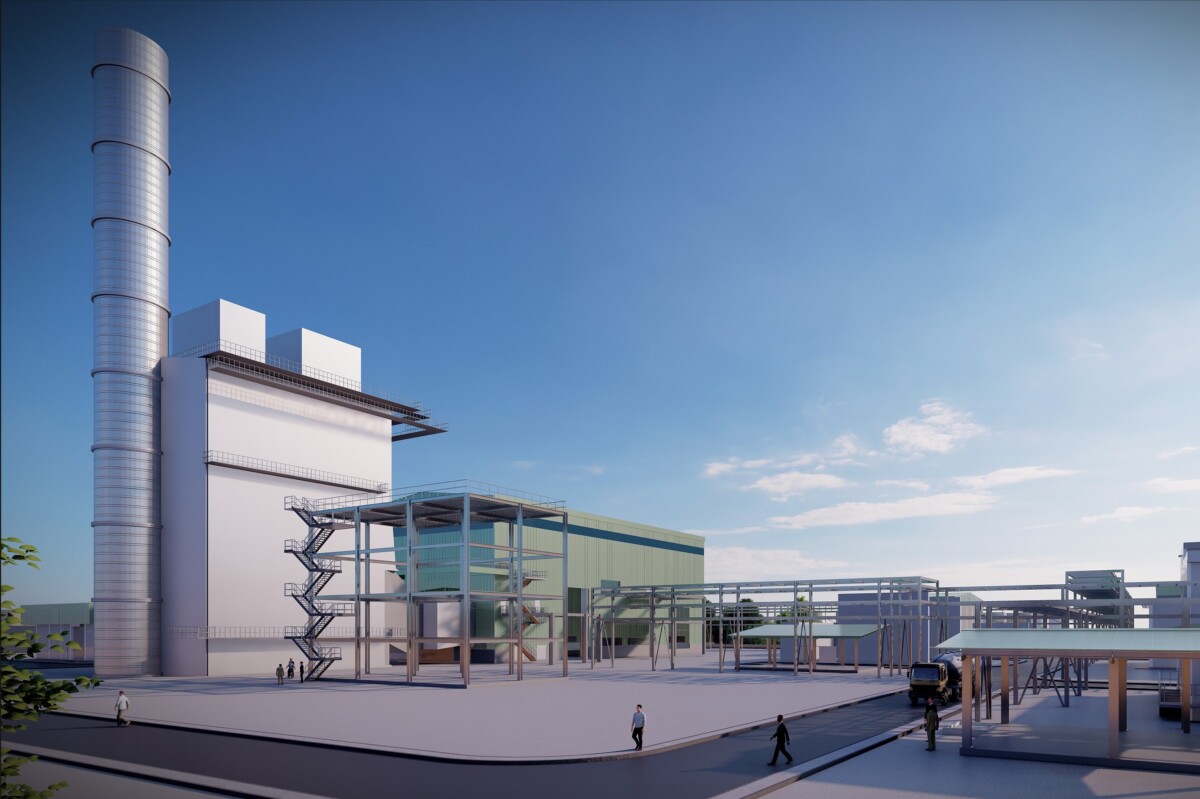
The five new plants will add 26 per cent to generation capacity, which EMA estimates at 12 GW today. EMA is also assessing bids, which closed in September, for more gas plants to run from 2032.
Regasification capacity will rise from 10 to 15 million tonnes a year when the second LNG terminal at Jurong Port opens by 2030. Singapore is also studying an energy cluster at Pulau Tekong with hydrogen-ready plants and another LNG terminal.
Grid, solar and storage
Singapore plans to spend up to S$5.3 billion on the power grid between 2025 and 2029, 11 times the previous five years, including seven new transmission substations by 2031.
Solar capacity stands at 2.3 GWp, against a 3 GWp target for 2030. The Government set a new target of 4 GWp by 2035. Energy storage will grow from an estimated 350 MWh today to more than 1 GWh by 2030.
Feasibility studies are under way for a second electricity link with Peninsular Malaysia, which could carry up to 2 GW by 2030 alongside the existing 1 GW link.