Part of the Little Big Red Dot World Cup 2026 Series
Roberto Martinez named Portugal’s World Cup squad on 19 May with an unusual number. Not 26. Not 27. Twenty-seven, plus one. The “plus one” is Diogo Jota — the Liverpool forward who passed away in a car accident in northern Spain in July 2025, aged 28. Martinez included Jota symbolically, saying: “He is our strength, our joy… Diogo Jota’s spirit, strength and example are the plus one and will always be the plus one.”
I did not expect to feel emotional reading a squad announcement, but there it was. Jota was 49 caps into what looked like a defining Portugal career. He was the kind of player who made hard things look effortless. The fact that Portugal will carry his memory into this tournament adds a weight and a motivation that goes beyond tactics or tournament draws.
Portugal are in Group K, where they will face DR Congo, Uzbekistan, and Colombia. The group is very manageable. The squad is deep and exceptionally talented. And then there is the elephant — or rather, the 41-year-old elephant — in the room.
Ronaldo’s Sixth World Cup
Cristiano Ronaldo. At 41. Playing his sixth World Cup. Let that sink in for a moment. The man has been at every World Cup since 2006. He was there in Germany, in South Africa, in Brazil, in Russia, in Qatar, and now here in North America. He will turn 42 during the tournament.
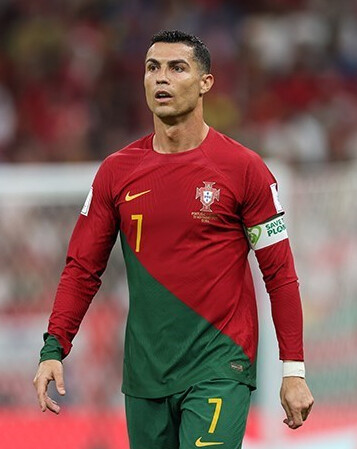
He is no longer the explosive wide forward of his Manchester United years, nor the all-conquering Real Madrid machine. Playing for Al Nassr in Saudi Arabia, he has reinvented himself as a mobile centre-forward who leads the line on his instincts, his movement, and his still-remarkable finishing ability. Whether he starts is a question Martinez will have to answer. What is not in question is his influence on the dressing room — this Portugal generation grew up watching Ronaldo, and for many of them, winning this World Cup for him would be the fulfilment of something deeply personal.
The Full 27-Man Squad
Goalkeepers: Diogo Costa (Porto), José Sá (Wolverhampton), Rui Silva (Real Betis), Ricardo Velho (Brentford).
Defenders: Diogo Dalot (Manchester United), Nelson Semedo (Fenerbahce), João Cancelo (Barcelona), Nuno Mendes (PSG), Gonçalo Inácio (Sporting CP), Renato Veiga (Villarreal), Rúben Dias (Manchester City), Tomás Araújo (Benfica).
Midfielders: Rúben Neves (Al Hilal), Samuel Costa (Mallorca), João Neves (PSG), Vitinha (PSG), Bruno Fernandes (Manchester United), Bernardo Silva (Manchester City), Matheus Nunes (Manchester City).
Forwards: João Félix (Al Nassr), Francisco Trincão (Sporting CP), Francisco Conceição (Juventus), Pedro Neto (Chelsea), Rafael Leão (AC Milan), Gonçalo Guedes (Real Sociedad), Gonçalo Ramos (PSG), Cristiano Ronaldo (Al Nassr).
And the +1: Diogo Jota, in spirit and in memory.
The Notable Omissions
João Palhinha misses out after a difficult season — his move to Tottenham, then West Ham, has not gone as hoped, and his form has dropped noticeably. For a player who was one of Europe’s best defensive midfielders at Fulham, this is a sobering fall. António Silva, the young Benfica centre-back who was so impressive at the 2022 World Cup, is also absent — a surprise to many, given his age and potential. Rodrigo Mora, the highly rated Sporting CP forward, was called up in March but does not make the final cut.
How Portugal Will Play
Martinez has settled on a 4-3-3 / 4-2-3-1 hybrid that is built around controlling midfield and exploiting the flanks. The real engine of this team is not Ronaldo — it is the midfield trio of Bruno Fernandes, João Neves, and Vitinha.
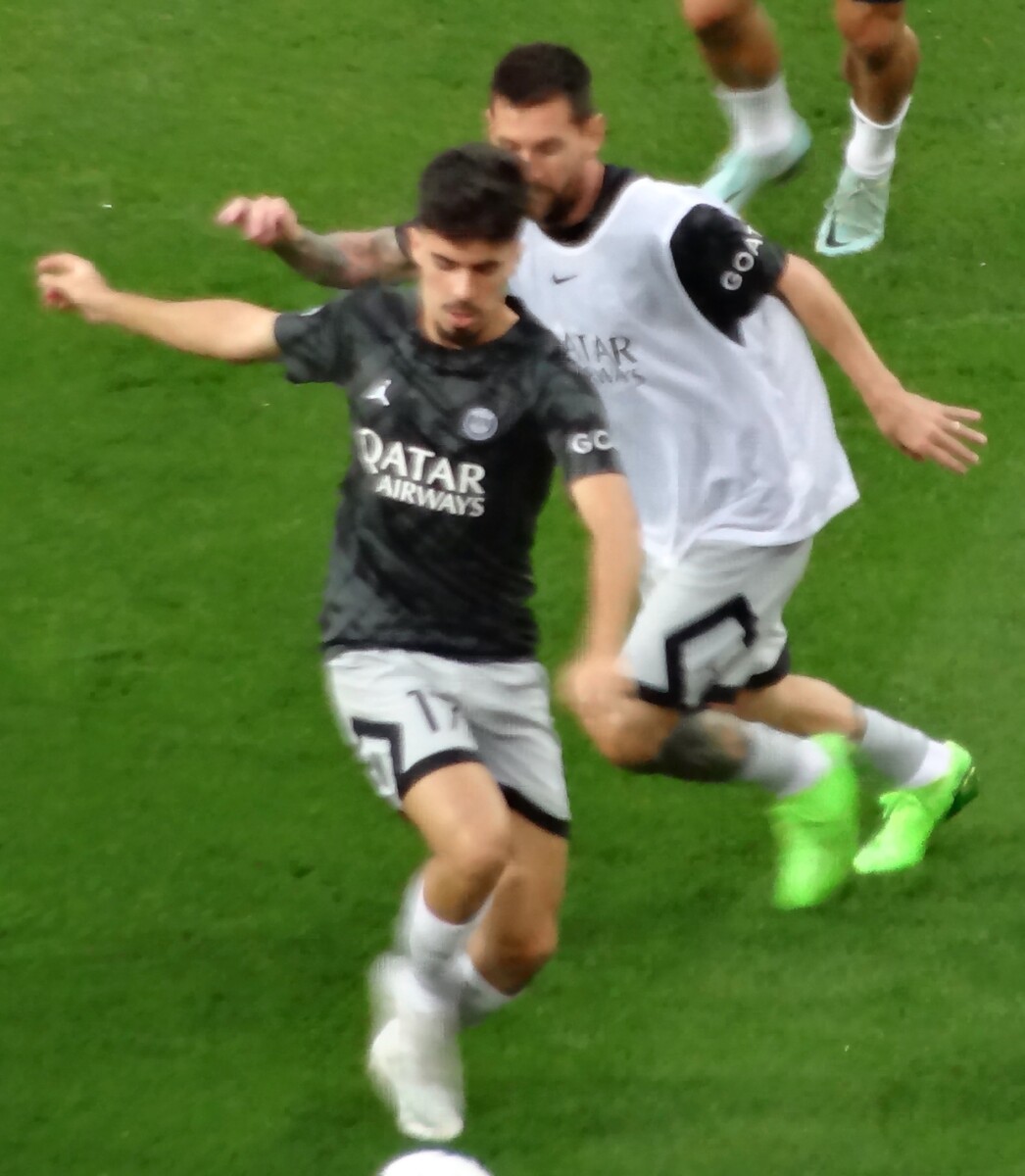
Bruno Fernandes, who won the FWA Footballer of the Year award this season, has been in the form of his life at Manchester United. His energy, his range of passing, and his ability to arrive late into the box make him the team’s heartbeat. João Neves, just 20 years old, has been extraordinary for PSG since his move from Benfica — calm, composed, with a reading of the game that feels far beyond his years. Vitinha provides the technical quality and the press-resistance that allows Portugal to keep the ball even against aggressive high lines.
The Key Players
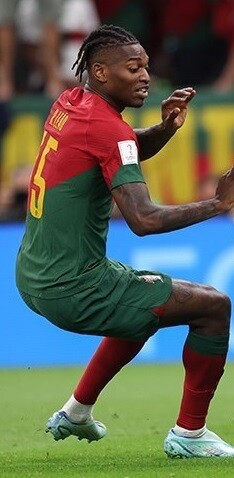
Rafael Leão. When he is on form — and he has been on form this season at AC Milan — Leão is one of the most unplayable left wingers in Europe. His pace, his physicality, his ability to take on and beat defenders. If he is switched on for this tournament, he will cause problems for any team in the world.
Gonçalo Ramos, who scored a hat-trick against Switzerland at the 2022 World Cup as a substitute, has matured into a genuinely elite centre-forward at PSG. He links play beautifully, makes intelligent runs, and finishes well with both feet. He may start ahead of Ronaldo in certain matches — a decision that will generate enormous debate but which is the correct one on current form.
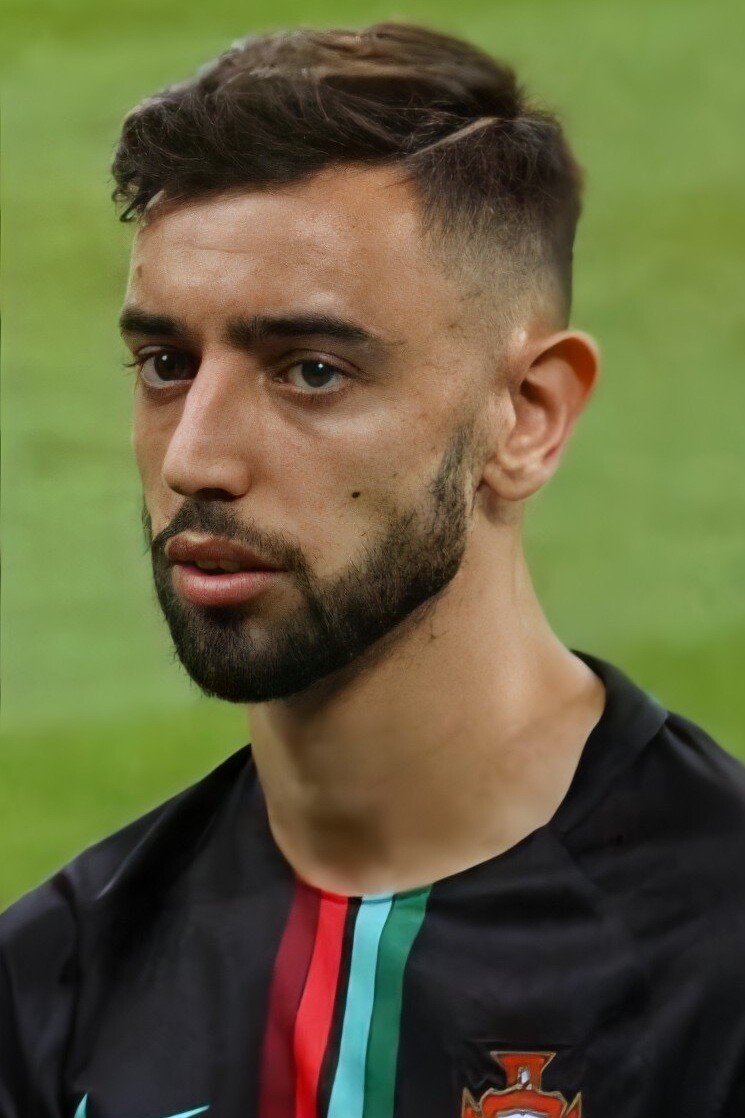
Francisco Conceição has had a breakthrough season at Juventus, showing the directness and end product that had been expected of him since his teenage years at Porto.
My Take
This Portugal squad might be the most complete in their history. They have world-class goalkeeping, an excellent defensive spine in Rúben Dias, a technically brilliant midfield, and enough attacking options to cause problems from multiple angles.
The Ronaldo question will dominate the narrative — it always does with Portugal. But the truth is that this team is good enough to go deep in this tournament regardless of how much he plays. The real story is the midfield generation that Martinez has assembled — João Neves, Vitinha, Bruno Fernandes — and whether they can perform when the pressure is greatest.
They carry Diogo Jota’s name with them. That alone feels like motivation enough.
Follow the Little Big Red Dot World Cup 2026 series as we break down all 48 teams. Next up: France.