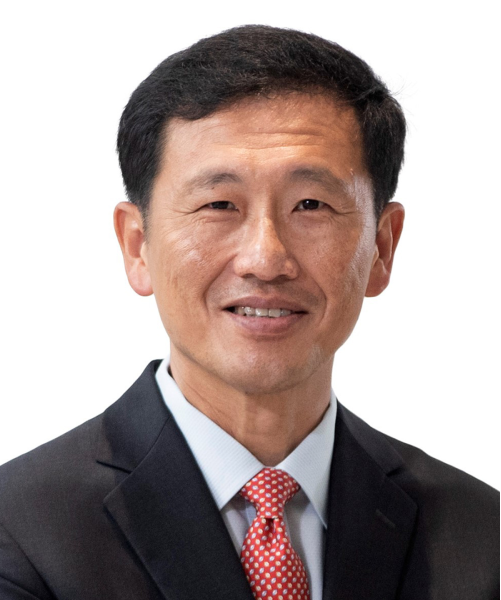
On 25 April 2026, Health Minister Ong Ye Kung made a clear call. He urged Singapore to rethink how Mandarin is taught. Speaking at a community event, the Minister said children should treat Mandarin as an everyday language. In short, it should be a way to talk, not just a subject to score.
Furthermore, the remarks are likely to resonate with many Singapore parents. After all, families have long struggled to make Mandarin feel natural at home. This is especially true in a predominantly English-speaking environment.
What Did Ong Ye Kung Say About Mandarin in Singapore?
The Minister focused on environment. Above all, he said children need the right setting to use Mandarin naturally. Otherwise, the language risks feeling like stress, not identity.
For instance, Mandarin tied only to school, exams, and tuition becomes a chore. As a result, it loses its link to family and daily life. The Minister wants to flip that script.
In addition, he stressed that language learning is deeply social. Children gain fluency when they hear Mandarin at home. They also benefit from using it with friends and through the media they enjoy. Lessons in class alone are not enough.
The Bigger Singapore Education Picture
This view echoes a wider debate. Singapore’s bilingual policy has been refined since the 1970s. Yet the same tension keeps coming back — proficiency versus academic pressure.
Why This Matters for Singapore Families
Singapore’s bilingual policy is well known. Every student takes a Mother Tongue Language (MTL) alongside English. Mandarin is for Chinese students. Malay and Tamil cover the other groups.
However, Mandarin gets the loudest debate. This is partly because of its global weight. It also carries strong cultural value for many families.
Many parents say their children find Mandarin harder than English. This is often the case when English dominates at home. Moreover, tuition spending on Mandarin is among the highest in Singapore. Clearly, the exam-centred approach is not producing fluent speakers.
Key Challenges Parents Face
- Many Chinese-Singaporean homes now use English as the main language.
- Kids see little Mandarin in social settings, media, or peer chat outside school.
- The exam culture pushes everyone to chase grades, not real conversation.
- Mandarin levels vary widely in one classroom, making teaching tricky.
What Could Change in Mandarin Education?
To be clear, this was not a formal policy announcement. Still, the message signals openness at the top to evolve how Mandarin is taught.
So what might that look like? Several directions are possible:
- More focus on conversational and applied Mandarin skills.
- More Mandarin content in media aimed at young Singaporeans.
- Community programmes that build natural Mandarin-speaking spaces.
Reactions from Parents and Educators
The remarks have sparked discussion on social media. Parent forums are also buzzing. Many agreed with the Minister’s view of the problem.
However, they questioned how change would work in practice. After all, many parents are not comfortable speaking Mandarin themselves. As a result, the home environment may stay English-dominant.
Educators raised another point. They argued that real change needs systemic moves. For example, assessment formats may need to shift. Otherwise, the message risks staying just a message.
What Singapore Families Should Watch Next
For now, the conversation continues. Therefore, it is worth tracking how policy and classroom practice evolve. The next school year will be a useful test.
In the meantime, families can take small steps. Try a Mandarin podcast in the car. Watch a Mandarin variety show as a family. Use Mandarin during weekend meals with grandparents. These tiny habits add up.
Read more Singapore news: What’s Happening in Singapore This Week (24 April 2026) and Singapore Ranked 2nd in the World for Turning Degrees into Career Success.