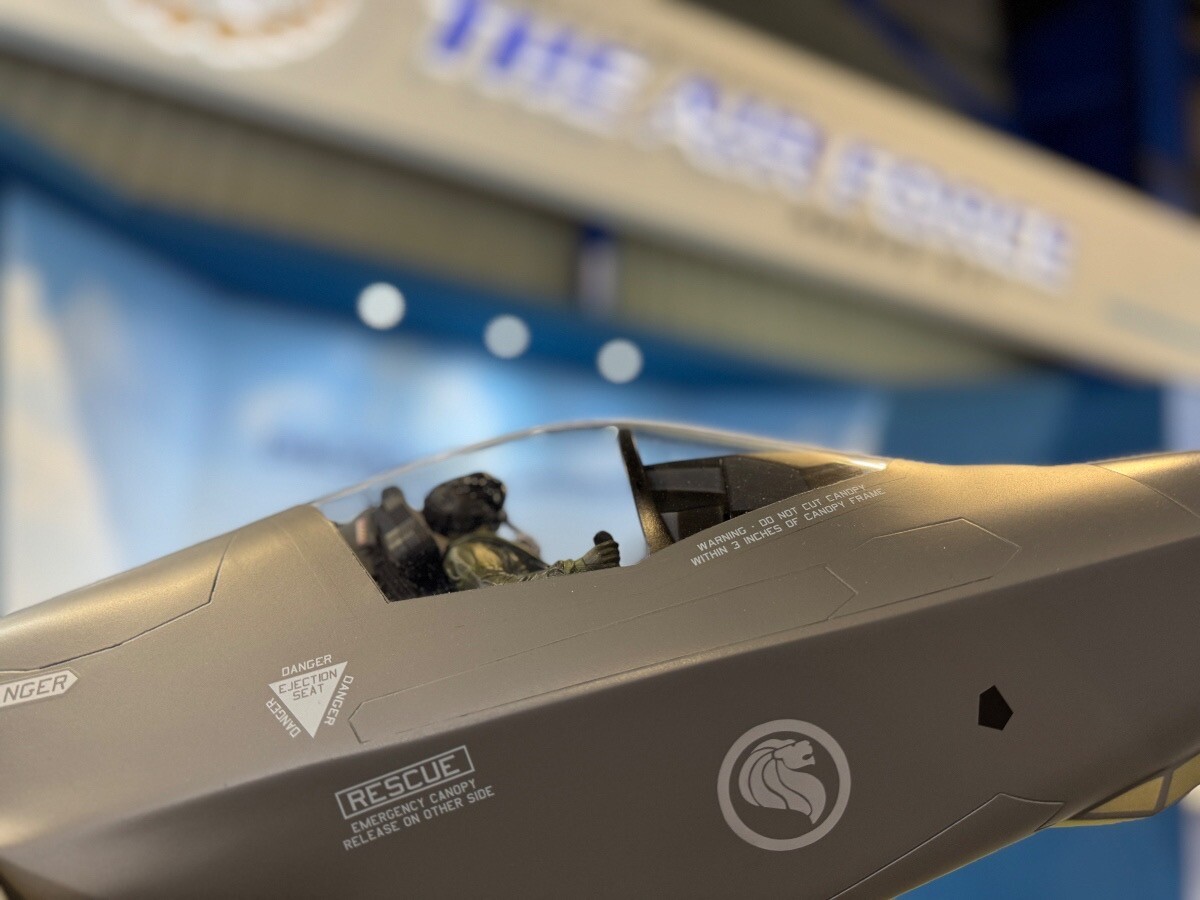
The Singapore Airshow remains a cornerstone of the global aviation calendar, and the Ten-Year edition at the Changi Exhibition Centre was particularly significant. Since it marked the event’s 10th milestone, this year’s showcase was defined by a clear shift toward autonomous systems and futuristic flight technologies. After spending time exploring the various pavilions and static displays, I’ve put together a guide of well-researched insights to help you navigate the major developments from this year’s show.
Getting There: The Logistics of the Journey
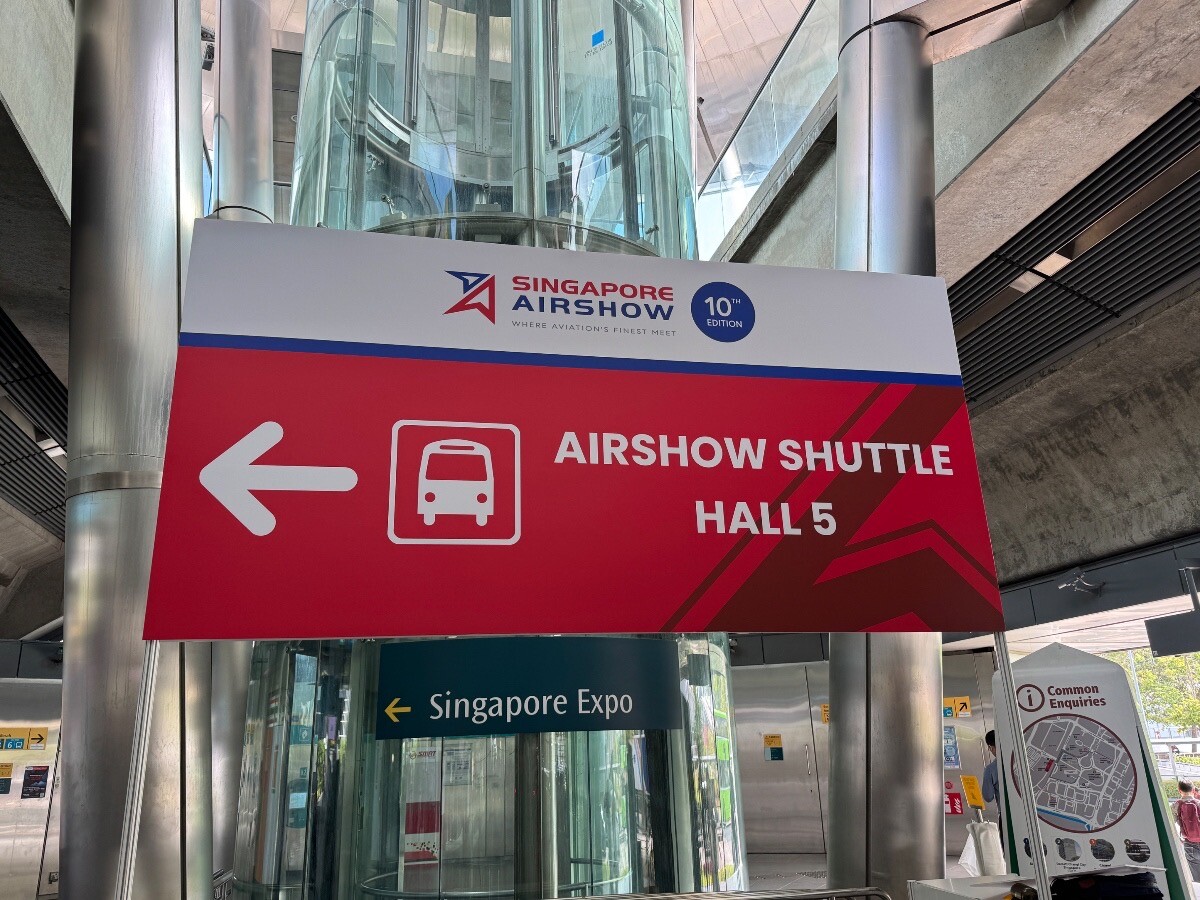
Getting to the Changi Exhibition Centre has always been a bit of a mission, often involving a test of patience. However, the 2026 edition felt surprisingly orderly compared to previous years. I opted for the Klook shuttle ticket from Expo Hall 5, and it was a seamless experience from start to finish. For about 40 minutes, I could actually snag a much-needed snooze in the air-conditioned comfort before the high-octane action started. It’s a small detail, but starting the day without a transport headache makes a world of difference when you’re about to walk 15,000 steps.
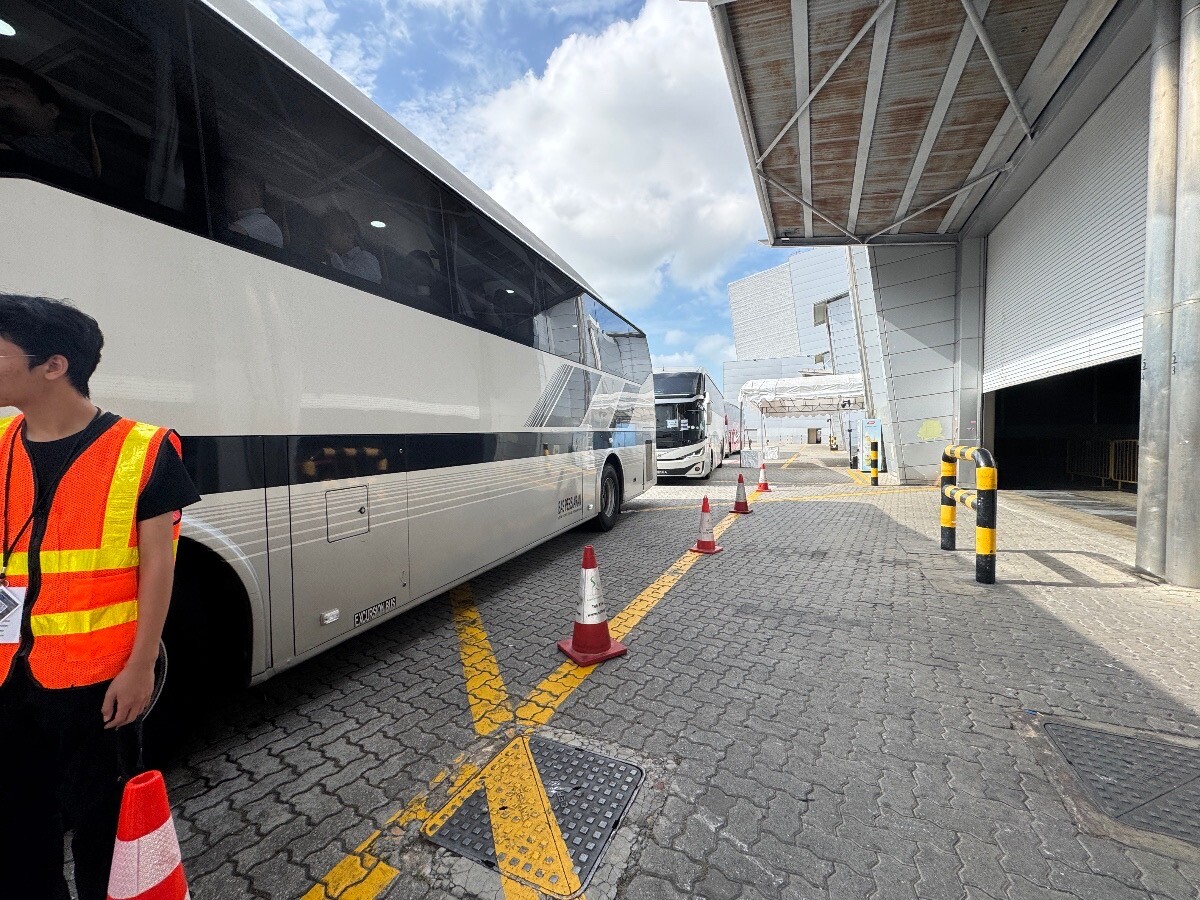
If you aren’t keen on the shuttle, 2026 saw the rise of Lylo as the official transport partner. They offered fixed-fare private rides that allowed visitors to bypass the usual taxi scuffles at the end of the day. But for those looking for a truly “Singaporean” tech-first arrival, there was the Electric Water Taxi trial. These vessels ferried VIPs along the Changi coastline, serving as a floating exhibit for the “Blue Economy” initiative. It proved that in the aviation world, even the commute is becoming a playground for sustainable innovation.
The Architect of our Skies: CAAS
As you step through the entrance, the first booth you hit belongs to the Civil Aviation Authority of Singapore (CAAS). Think of them as the “master architects” or the ultimate air traffic controllers for the entire regional industry. Their role is massive—they don’t just regulate safety; they are the engine developing Singapore as a premier global air hub.
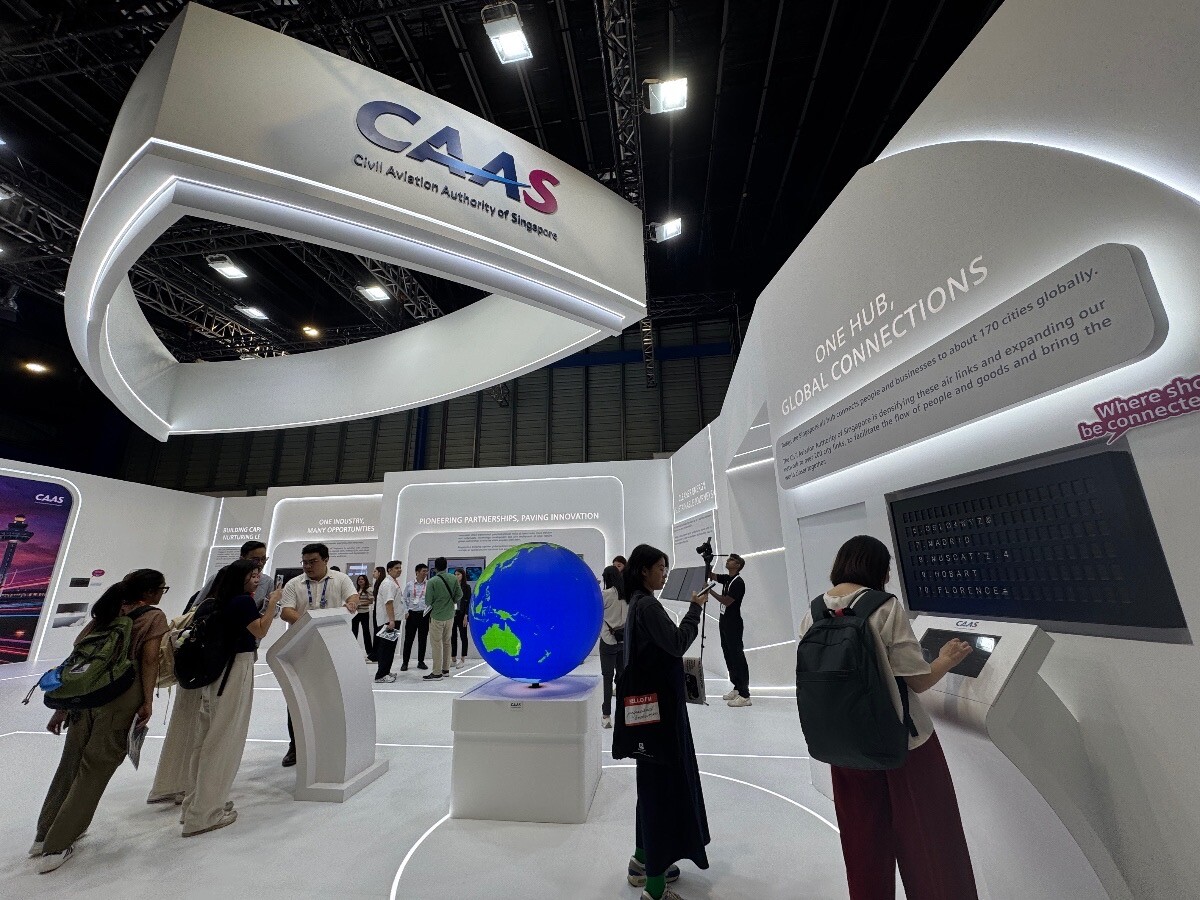
The big talk this year was their Sustainable Aviation Fuel (SAF) Levy. By later this year, every flight departing from Changi will be contributing to a greener future through this mandatory target. It’s a bold move that signals Singapore’s intent to lead the region in decarbonization. They are also deep into the development of a “Hydrogen Hub” infrastructure, essentially future-proofing our airport for a new generation of aircraft.
Precision from Down Under: EOS
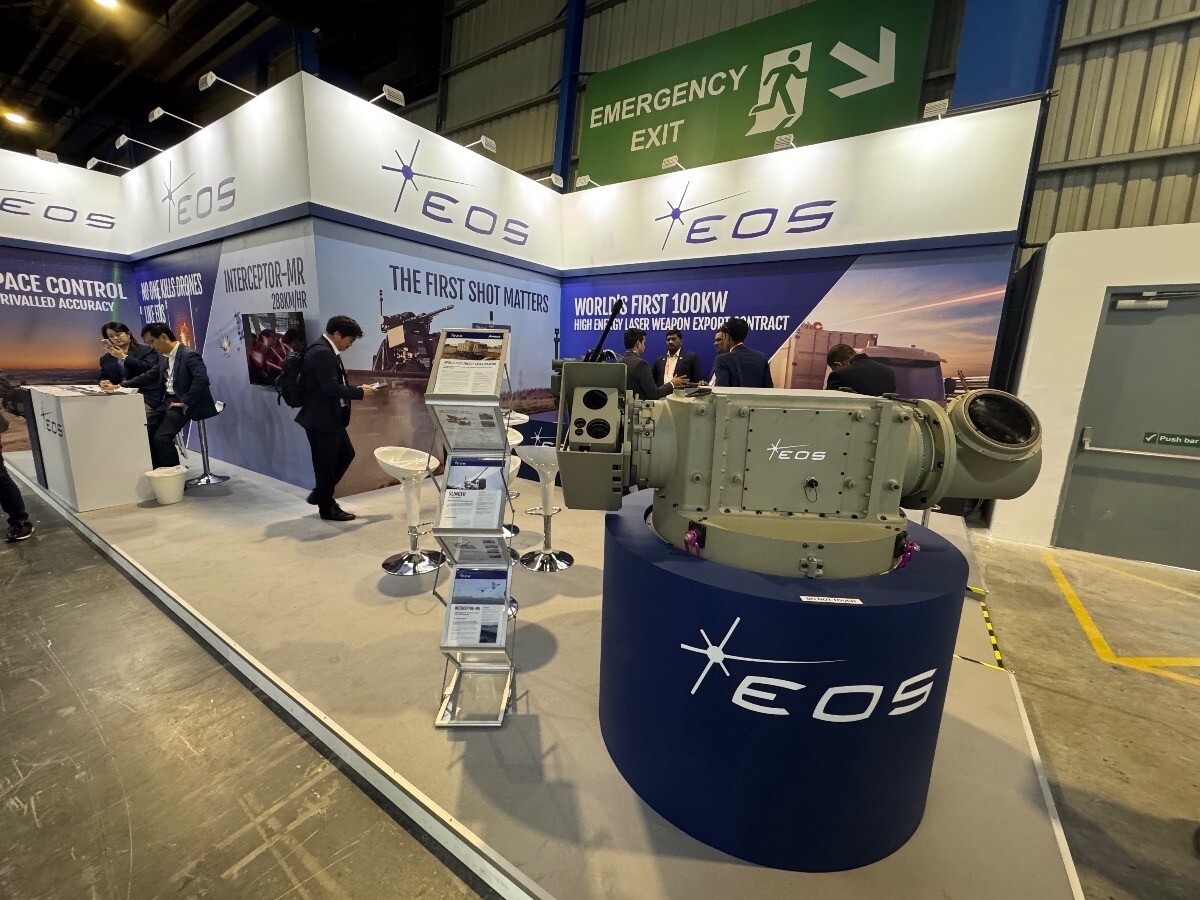
Next, I stopped by the Electro Optic Systems (EOS) booth, an Australian tech powerhouse that’s making waves in global defence. Their slogan, “The First Shot Matters,” really set the tone for their display of “Counter-UAS” (anti-drone) technology. In an era where consumer drones are becoming tactical threats, EOS is providing the shield.
There is the Interceptor-MR, which is essentially a high-speed, AI-guided drone that “rams” hostile UAVs out of the sky. Then there was the Slinger, a 30mm cannon system that is eerily accurate, capable of snaring small drones with minimal damage. But the real show-stopper? The Apollo High Energy Laser. This 150kW laser system can literally melt a drone’s sensors from kilometres away at the speed of light. It’s silent, invisible, and feels like something straight out of a sci-fi movie.
RSAF: Our Digital Defenders
The Republic of Singapore Air Force (RSAF) booth is always a crowd favourite, and the two flight simulators this year were no exception. The tech here has made a quantum jump from simple VR to Mixed Reality (MR), blending the physical cockpit with a digital battlefield.
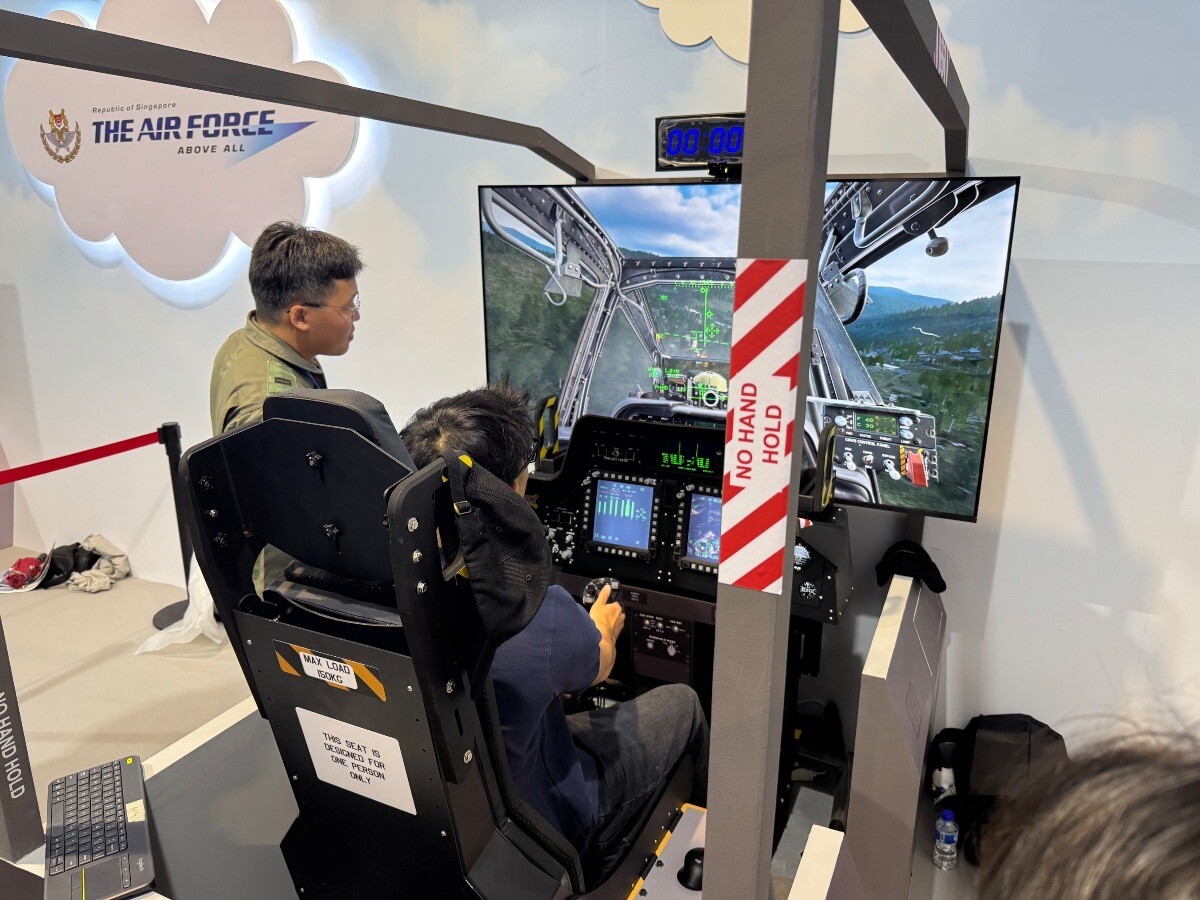
The RSAF is pivoting heavily toward Manned-Unmanned Teaming (MUM-T). Imagine a pilot in an F-15SG acting as a “quarterback” in the sky, controlling a swarm of “loyal wingman” drones like the Orbiter 4 or Hermes 900. I even tried my hand at a motion-sensor game where I had to tilt my body to steer a plane. It’s surprisingly difficult and essentially a full-body workout that highlights the physical coordination required of our modern aviators!
The View from the Textron Chalet
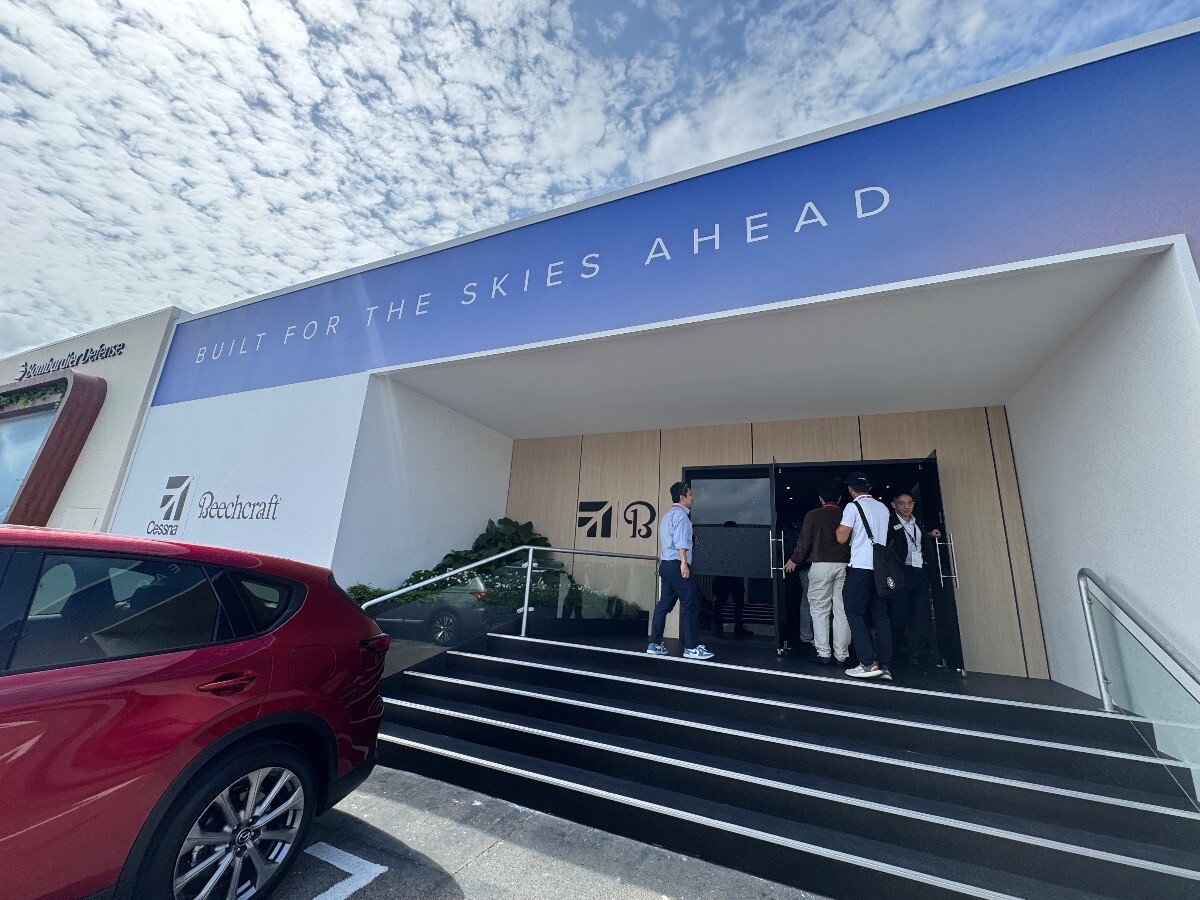
I was fortunate to be invited to the exclusive Textron chalet to watch the aerial displays. Textron is the aviation giant that houses legends like Beechcraft and Cessna, and sitting in their lounge gave me a front-row seat.
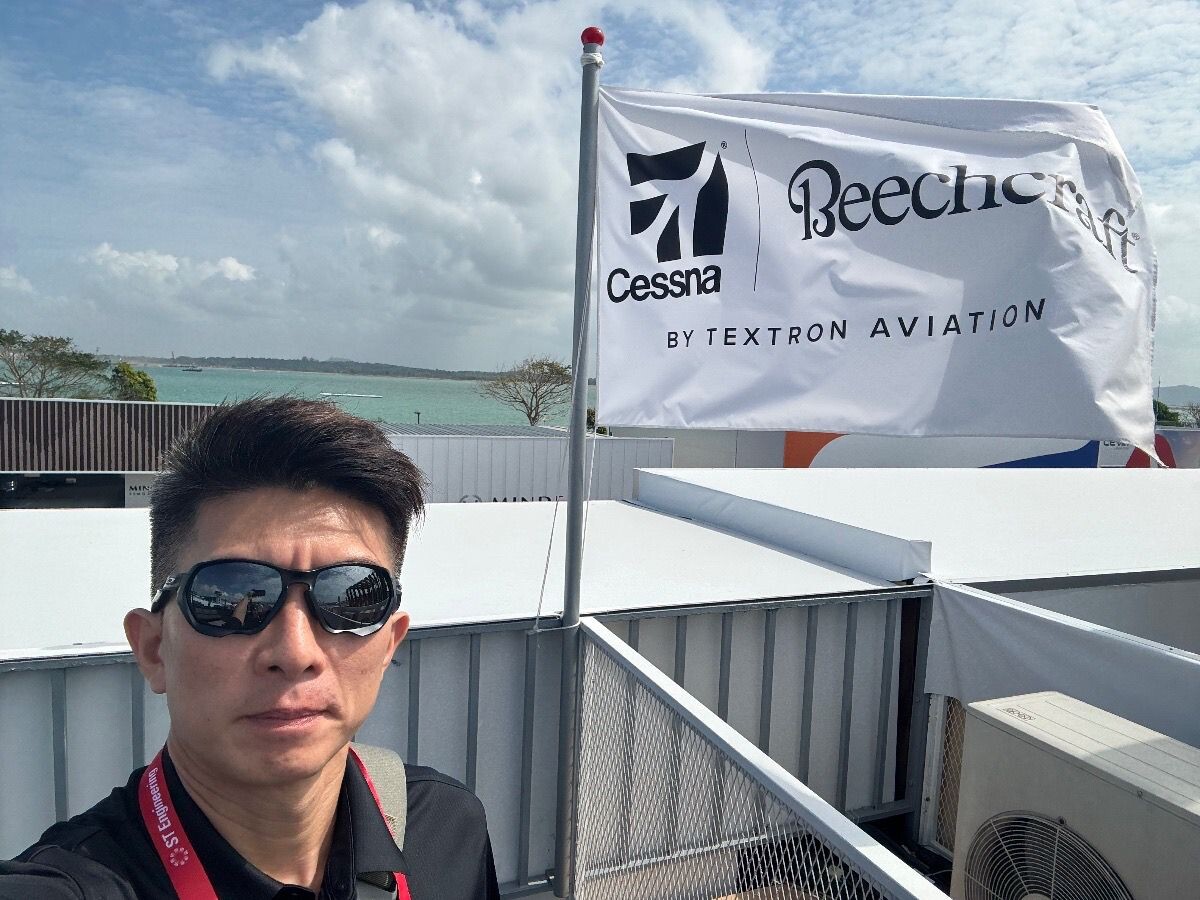
Fun Fact: Nearly every pilot in the world probably did their first solo flight in a Cessna 172, the most produced aircraft in history.
Meanwhile, the Beechcraft King Air remains the “Swiss Army Knife” of the skies, prized for its ability to land on rugged strips. Watching the show with a chilled drink and a tray of miniature savouries was a truly pampering experience. The scorching sun began to bake the tarmac below, but I was perfectly comfortable in the shade.

The Sky Dance: RSAF vs. China’s Bayi Team
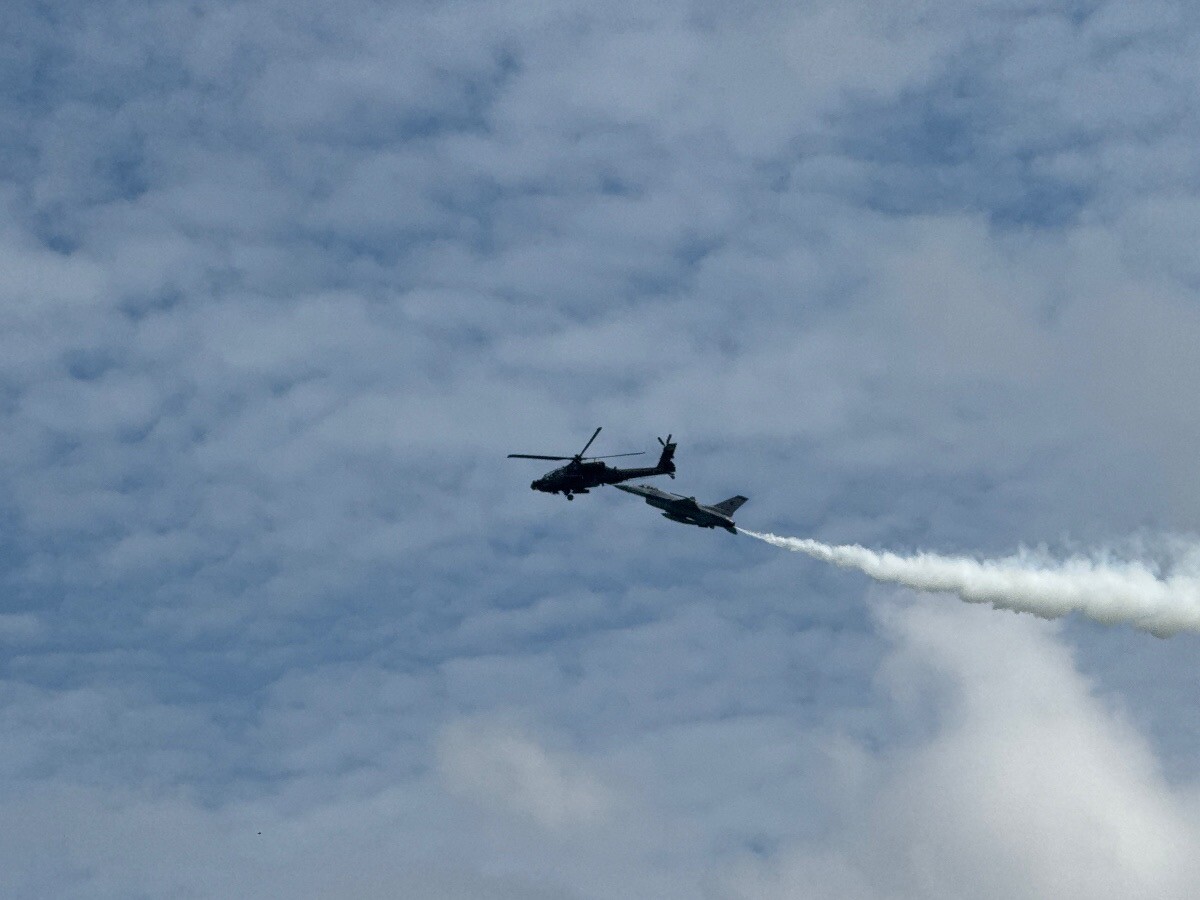
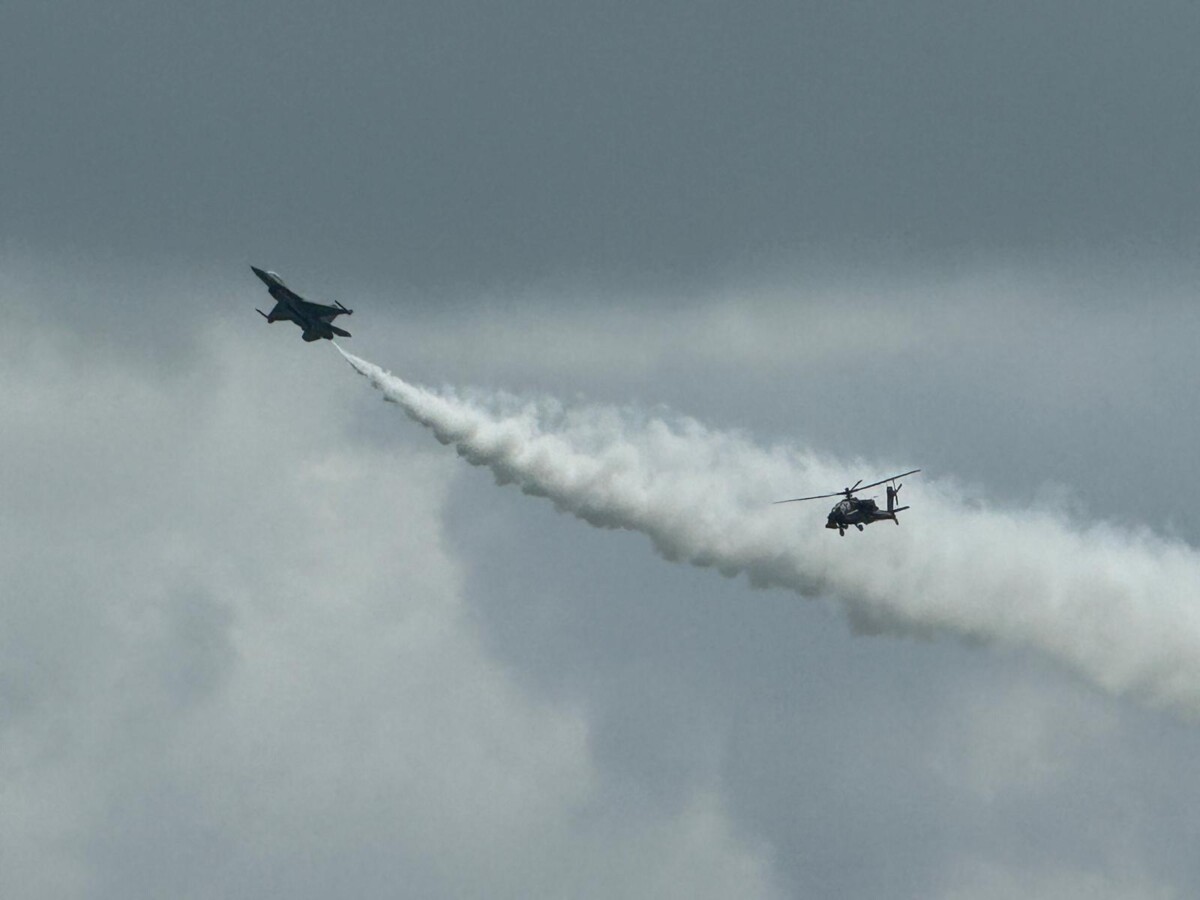
The 11 AM show was a masterclass in aerial choreography. The RSAF Integrated Display Team, featuring the F-16C and the AH-64D Apache, was a study in contrasting attributes. The F-16C provided the raw, aggressive speed and thunderous afterburners that vibrate in your chest. In contrast, the Apache was the “calm before the storm”—demonstrating its ability to transition from a meek observer to a lethal hunter.
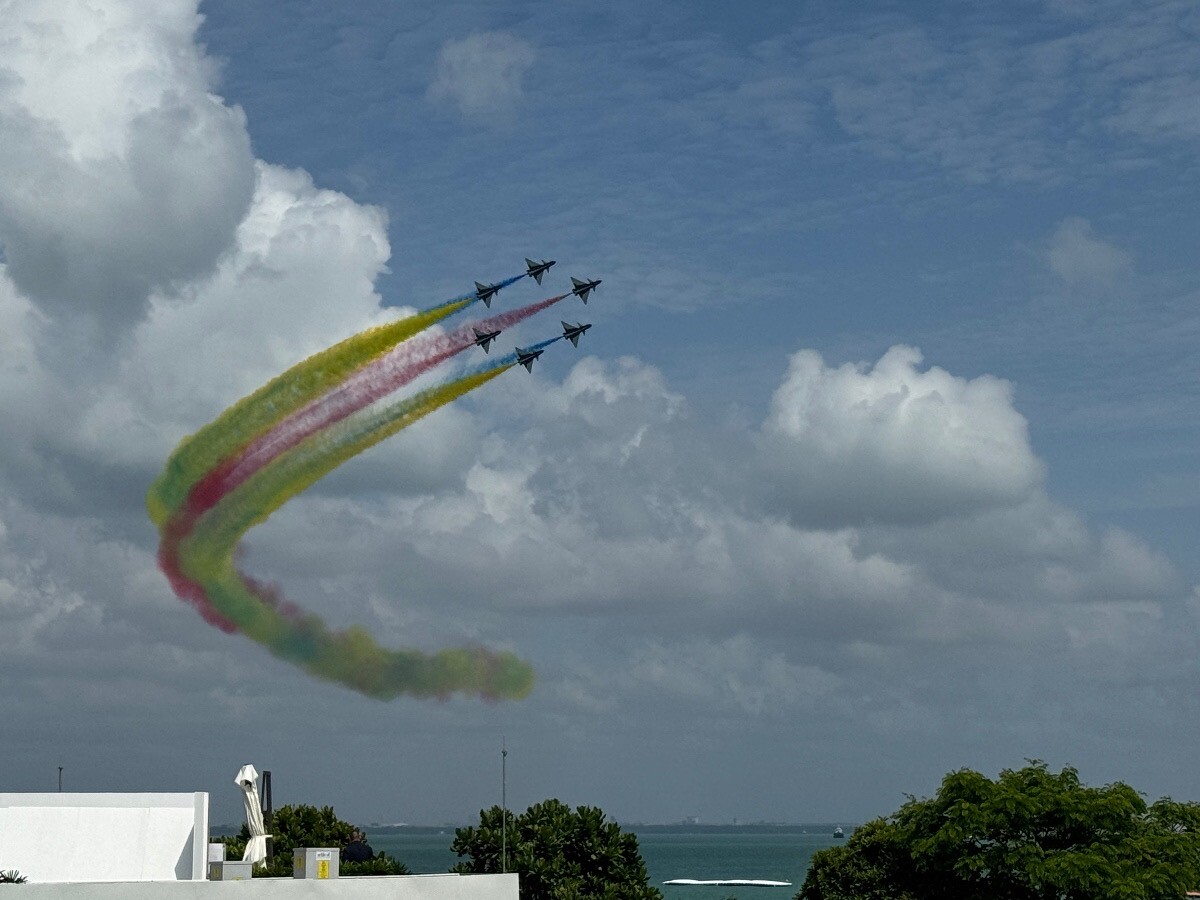
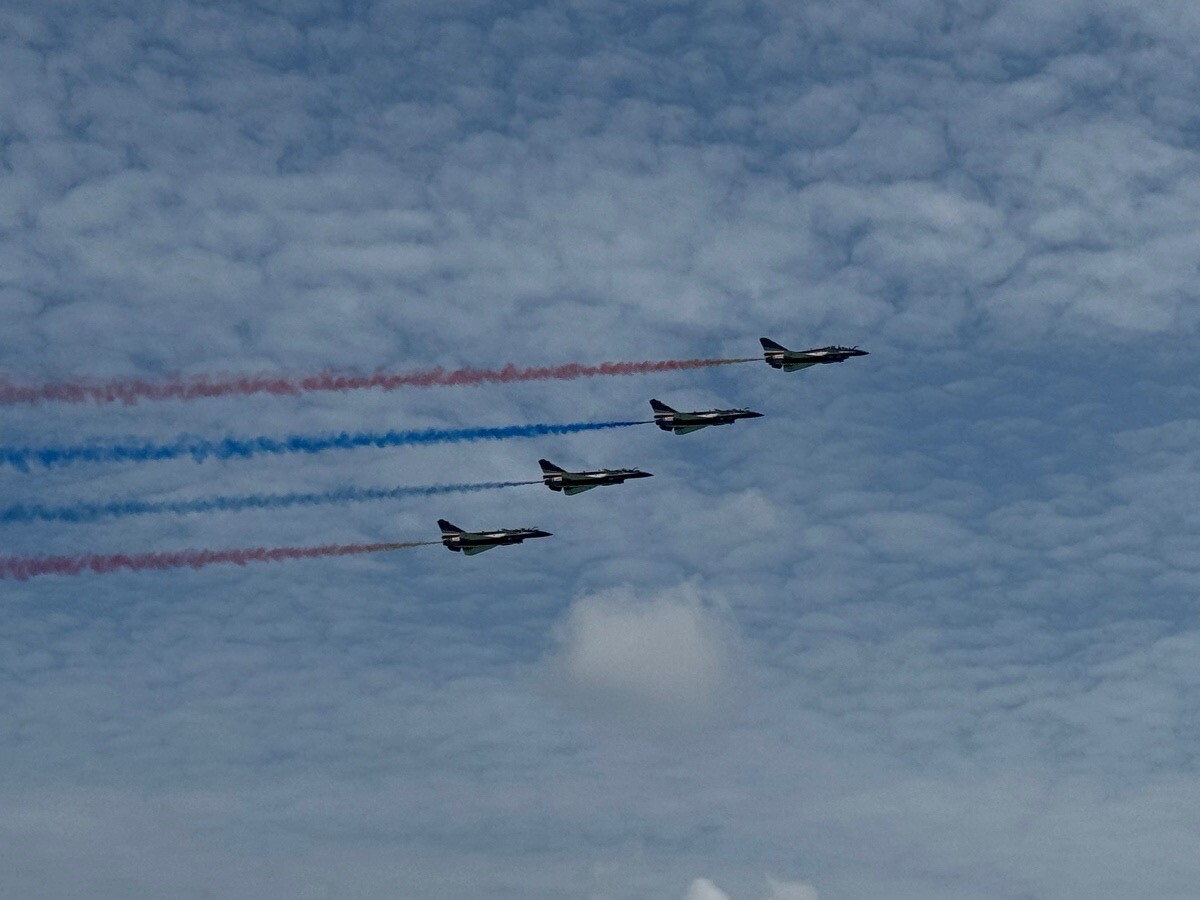
Then came the guests from China—the People’s Liberation Army Air Force (PLAAF) Bayi Aerobatic Team flying the J-10C. Their precision was on another level, especially when set to the techno-remix of the classic Journey to the West theme. The J-10C, known as the “Vigorous Dragon,” features a unique canard-delta wing design that gives it extreme agility. It was a significant visual statement, showing the world that China can now produce high-performance jets with domestic engines.
The Commercial Giants: COMAC and Airbus
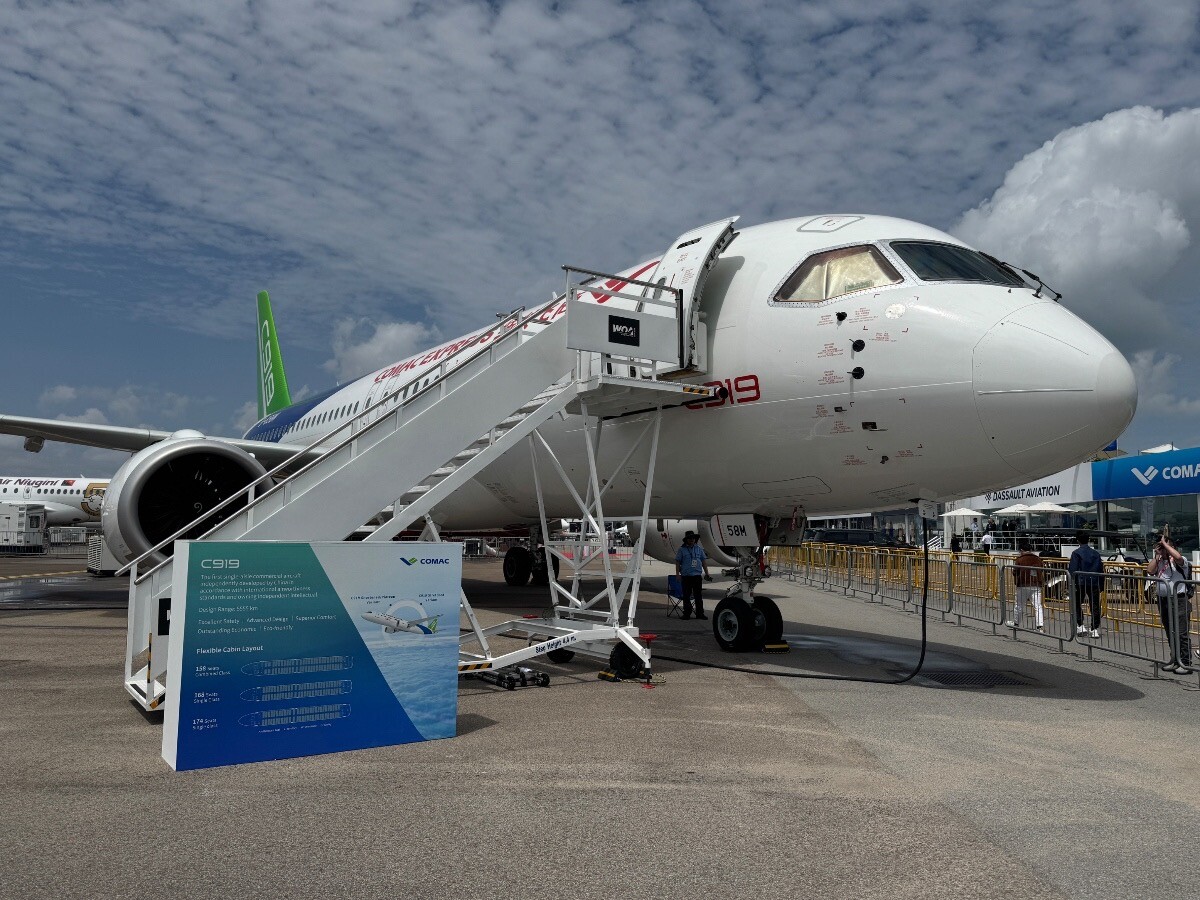
Moving to the static line, the COMAC C919 stood as a symbol of shifting global power. This is China’s first home-grown single-aisle jet, designed specifically to challenge the long-standing Boeing and Airbus duopoly. As COMAC pushes for European (EASA) certification, we are witnessing the birth of an “ABC” (Airbus, Boeing, COMAC) world.
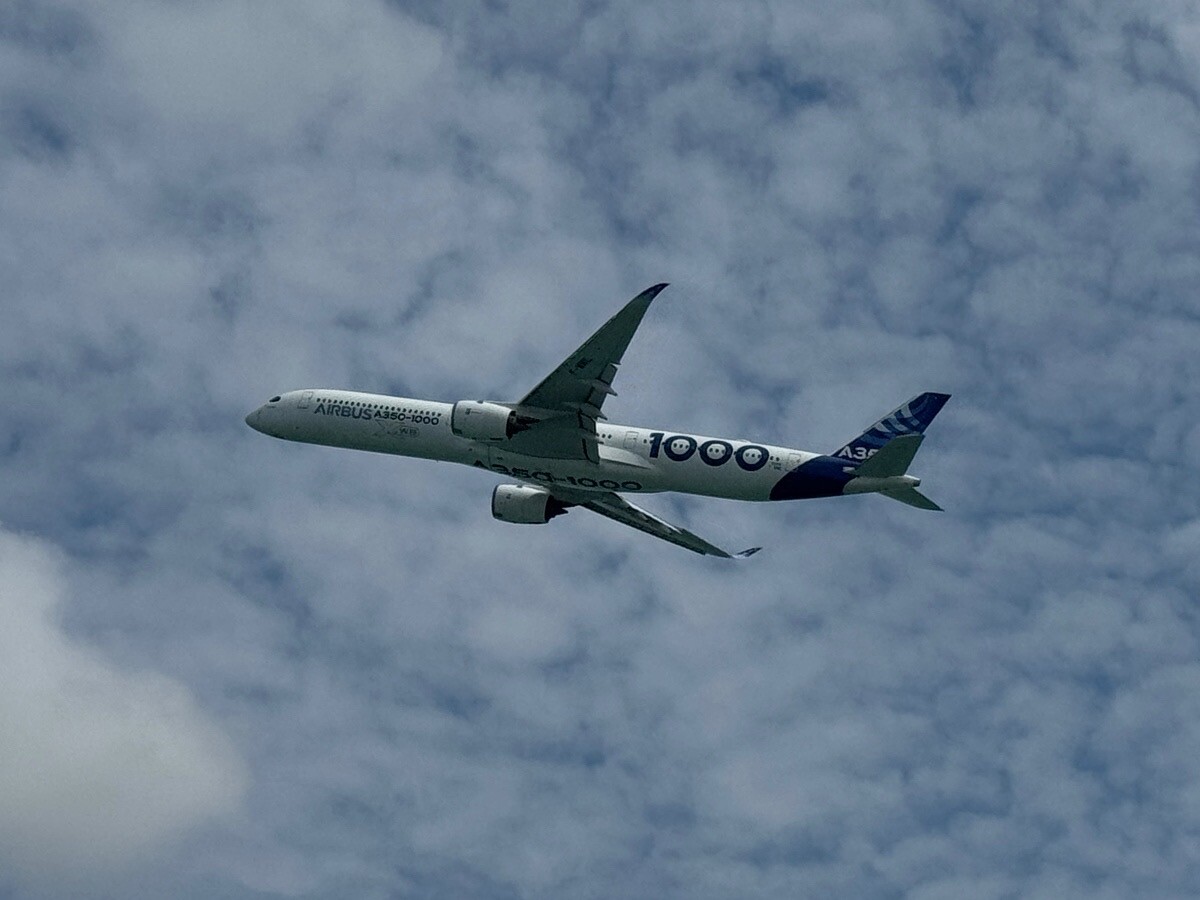
Right next to it was the Airbus A350-1000, the “Long-Haul King.” Built with over 50% advanced composites like carbon fibre, it’s lighter and immune to the usual rust issues of metal planes. It’s the aircraft that makes those 18-hour “ultra-long-haul” marathons from Singapore to New York not just possible, but comfortable.
The Static Line: Luxury and Lethality
Walking the tarmac is where you truly feel the scale of these machines. This year, the mix of high-end business jets and cutting-edge military hardware was particularly striking.
-
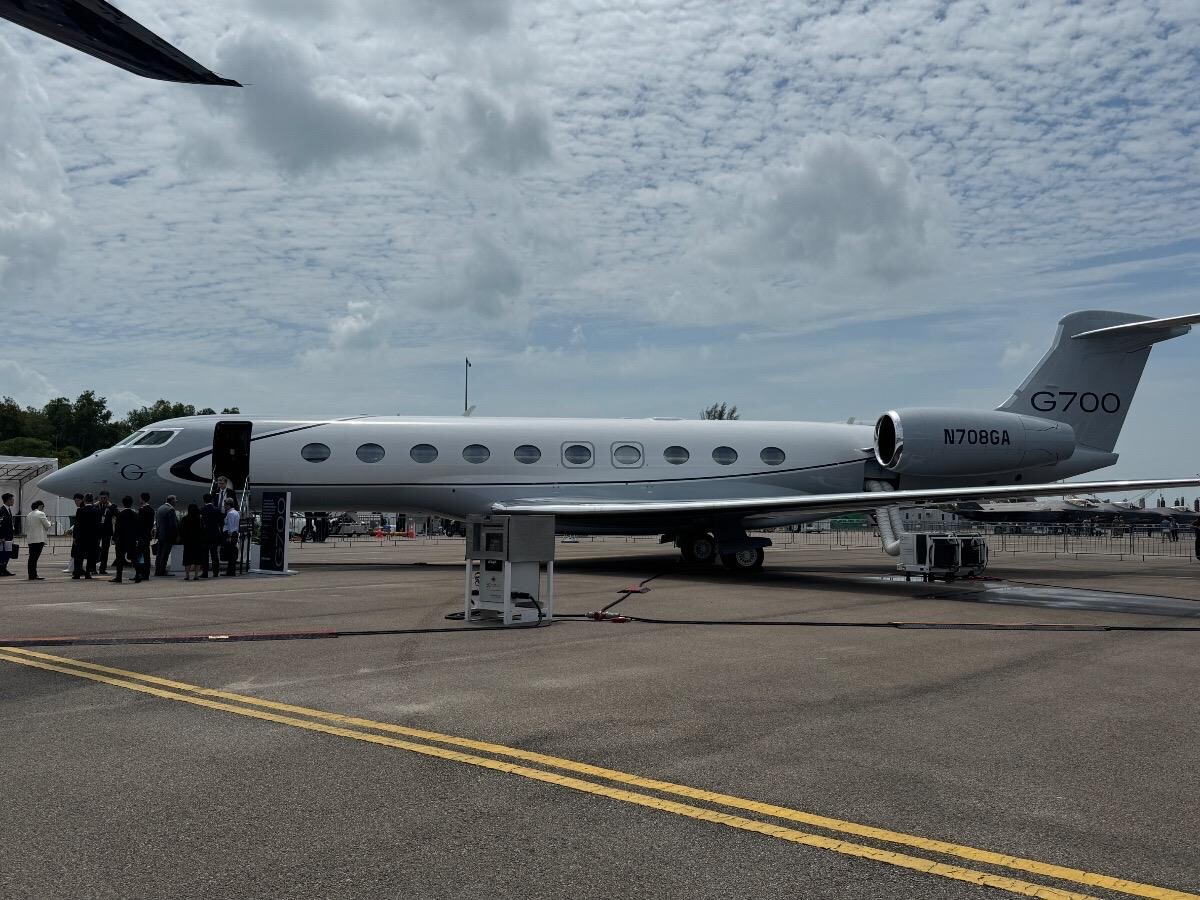
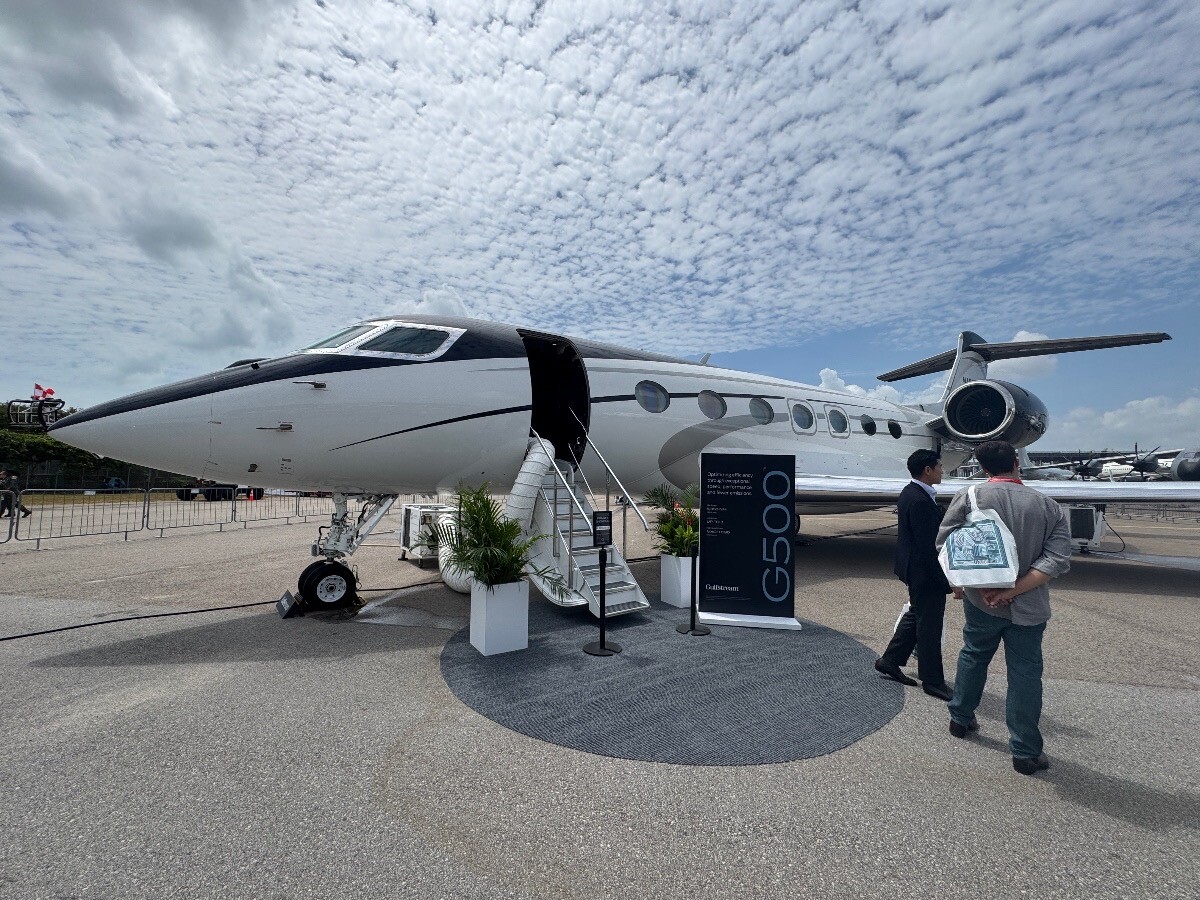
Gulfstream G700 & G500: At roughly $81 million, this is the pinnacle of private travel. It recently smashed city-pair speed records, flying at Mach 0.90. What really impressed me was the cabin altitude; at 41,000 feet, the cabin feels like you’re only at 2,840 feet.
-
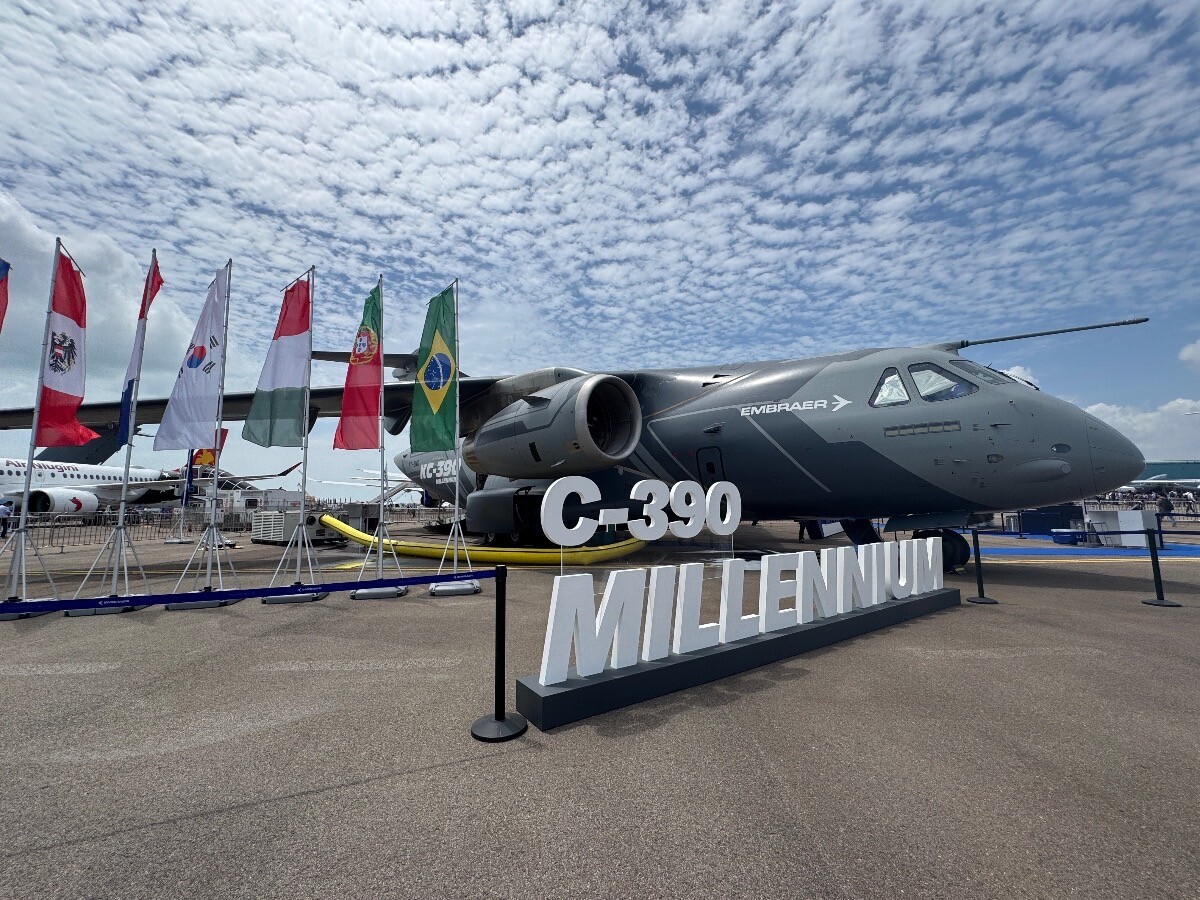
Embraer C-390 Millennium: This Brazilian beauty is a total game-changer for tactical transport. Unlike the traditional propeller-driven C-130, the C-390 is jet-powered. This means it can fly faster, higher, and further while carrying up to 26 tonnes of cargo.
-
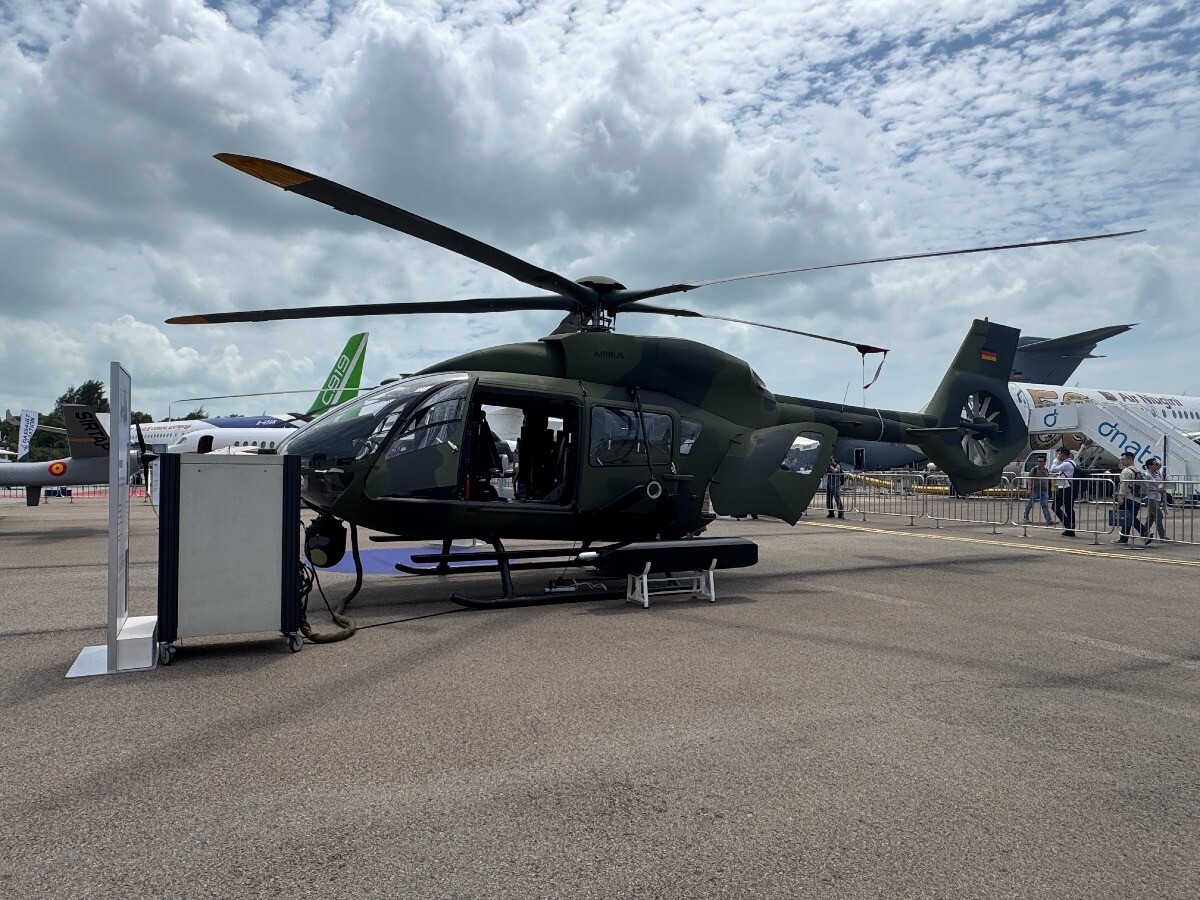
Airbus H145M: This multi-role helicopter is the definition of “quiet efficiency.” Its most distinctive feature is the Fenestron shrouded tail rotor, which makes the helicopter much quieter—perfect for stealthy special ops.
-
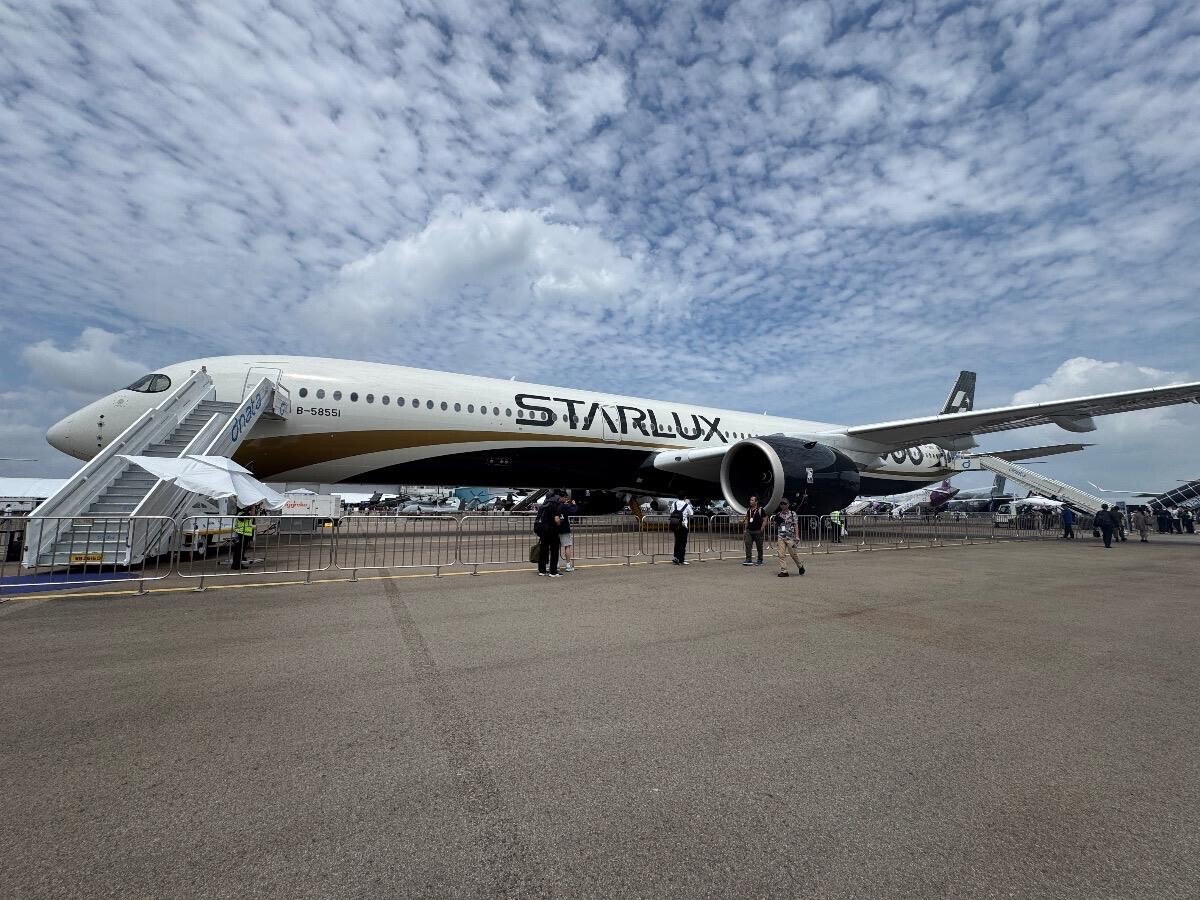
Starlux Airlines (A350/A330neo): While many focus on the hardware, Starlux is all about the “software” of luxury. Often called the “Emirates of Taiwan,” their aircraft displayed a “Home-in-the-air” design concept with bespoke scents and 4K screens.
-
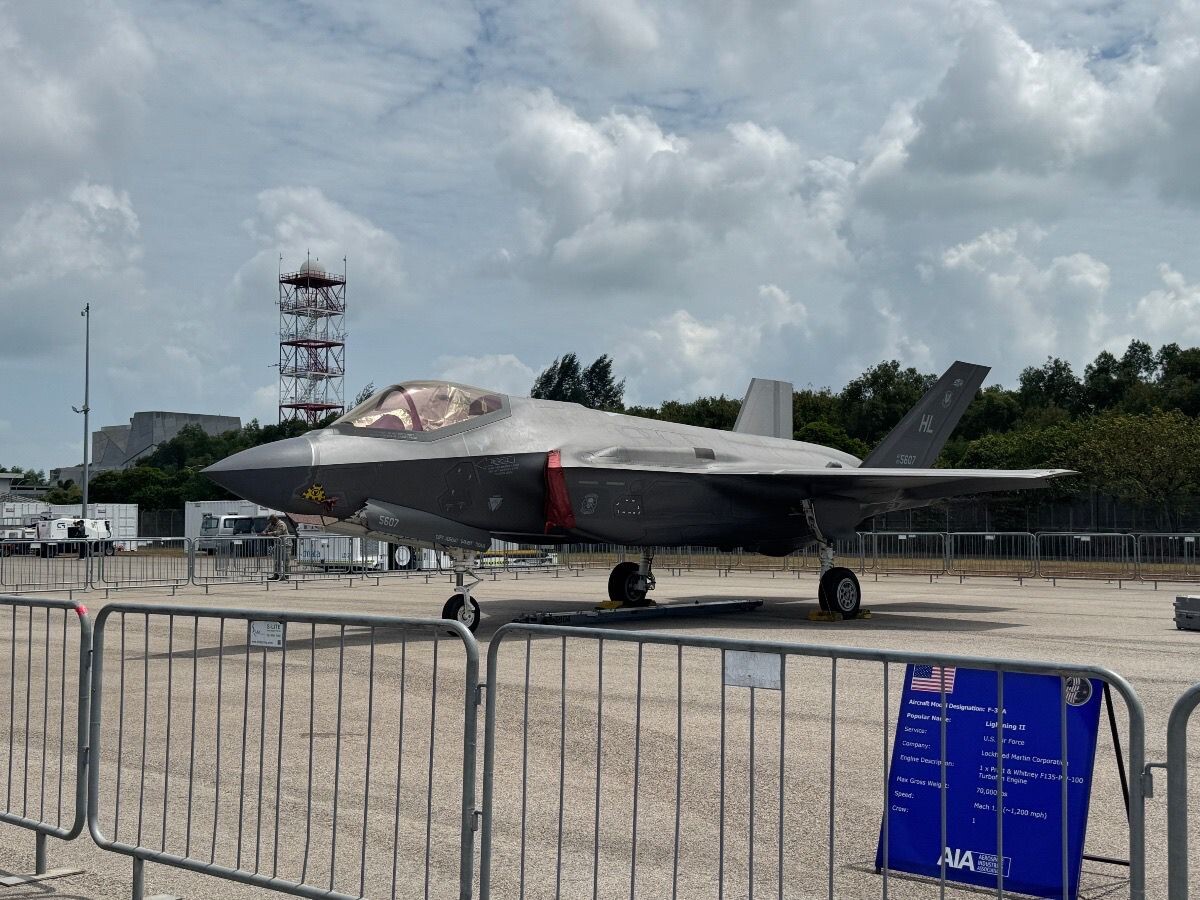
F-35A Lightning II: The stealth star of the show. Its hallmark is Sensor Fusion. The pilot wears a helmet that costs more than a luxury condo, allowing them to “look through” the floor of the cockpit.
Deep Dive: RSAF’s Hardware Highlights
While the simulators are fun, the real stars are the actual machines protecting our skies. Here are the key assets that were showcased this year:
-
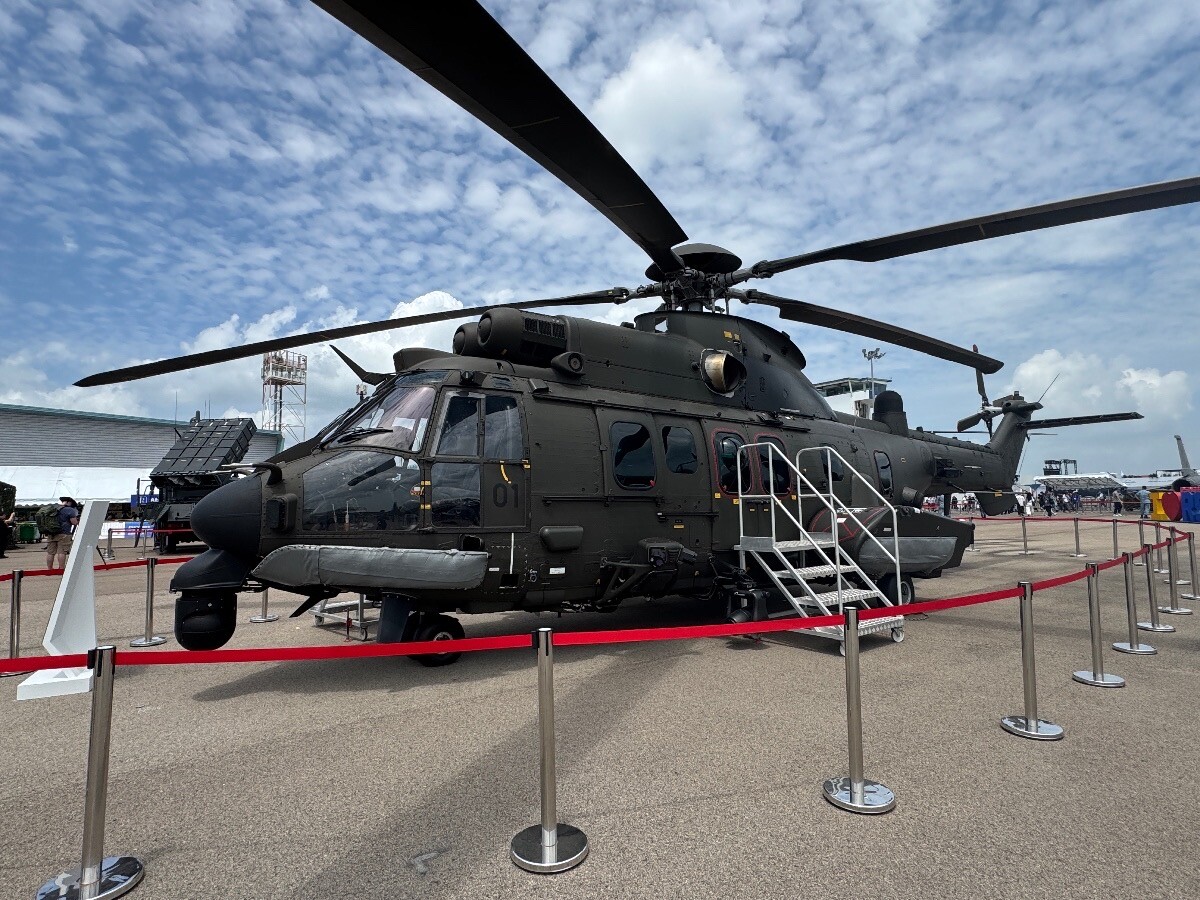
The H225M Medium-Lift Helicopter: This modern multi-role helicopter offers significantly better lift and reach capabilities. These have replaced the veteran fleet of AS332M Super Pumas, which served us since 1985. With a 20% longer range and high load capacity, it’s the new workhorse for Search and Rescue and Humanitarian Assistance missions.
-
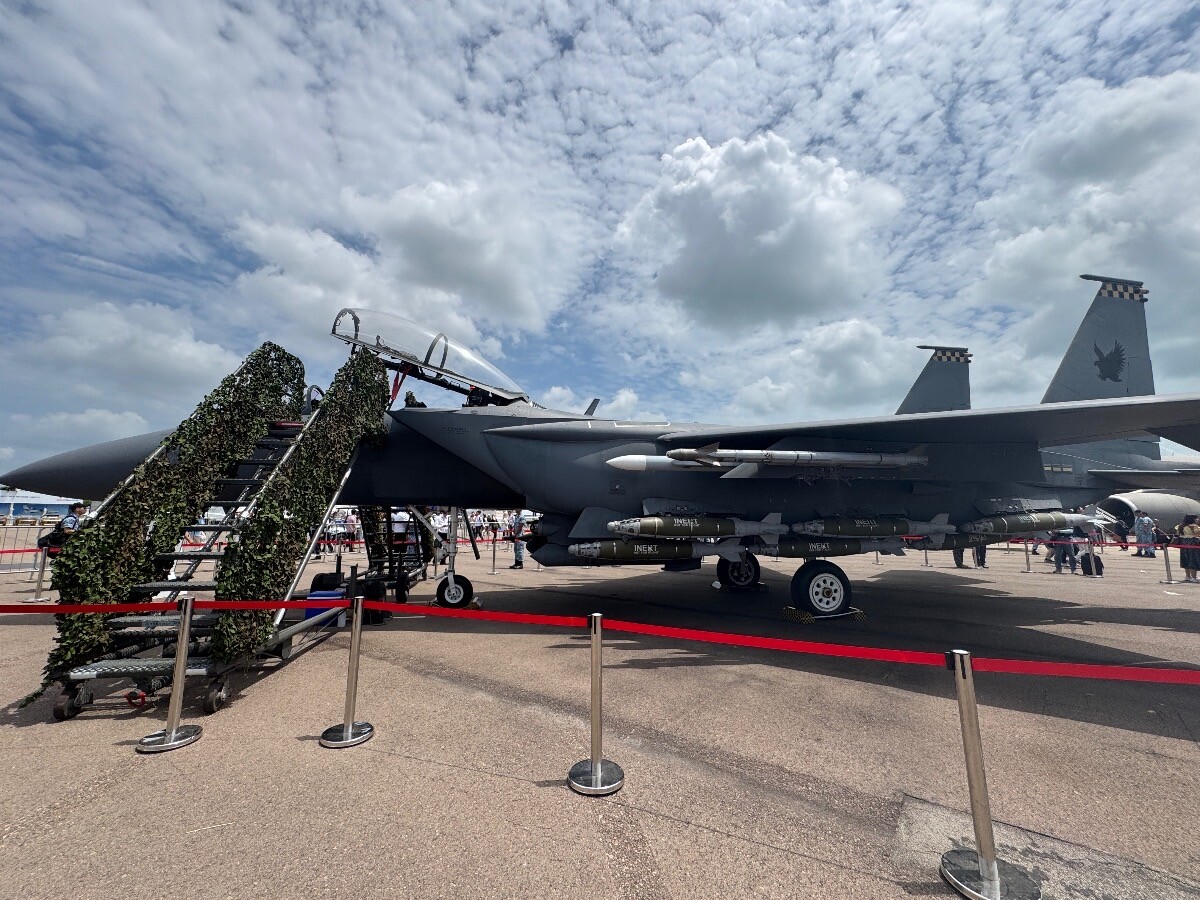
The F-15SG: Designed for total air superiority, the F-15SG features a state-of-the-art cockpit and AESA radar. Powered by twin General Electric engines, it remains one of the most lethal precision strike platforms in the region.
-
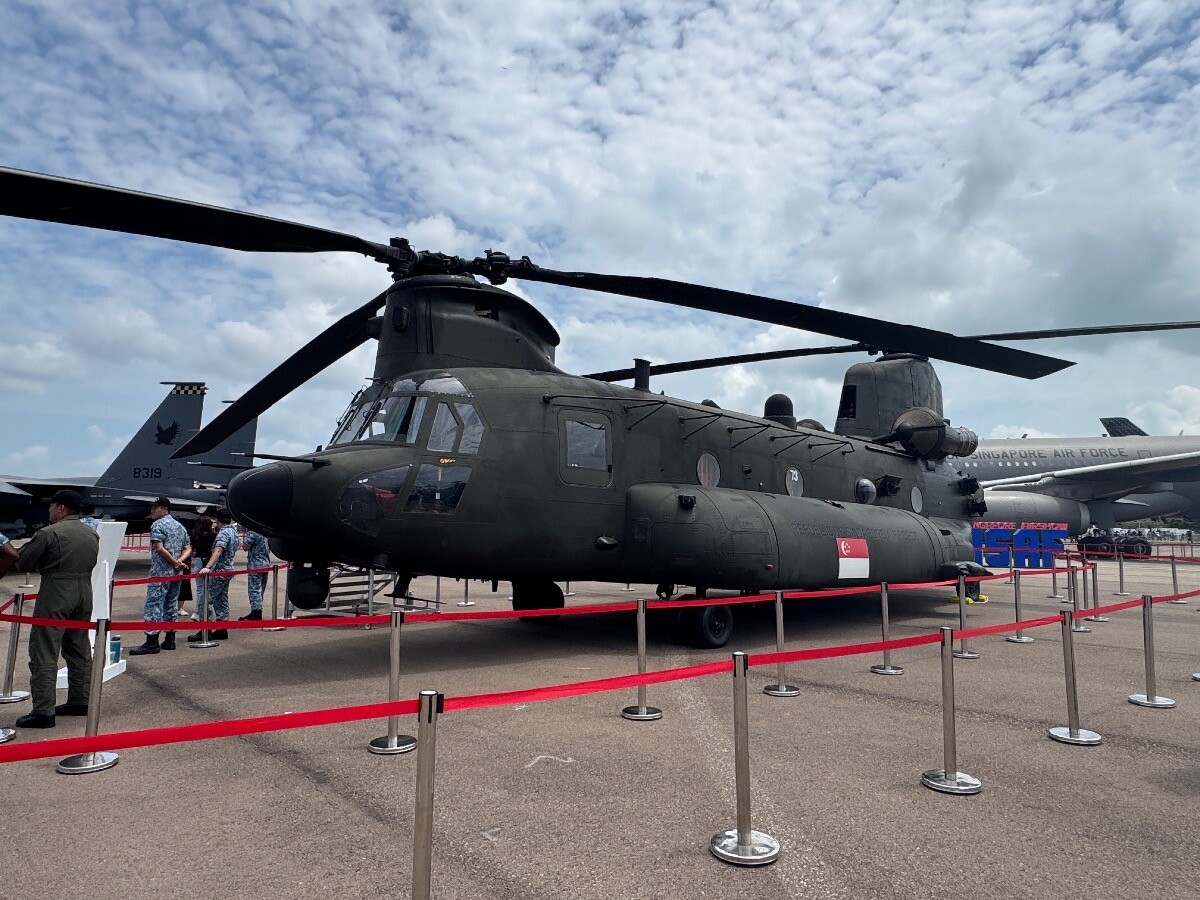
CH-47F Chinook: Replacing the older “D” models, this heavy-lift tandem rotor helicopter features a fully digital cockpit management system. Its advanced cargo-handling makes it vital for troop lift and fire-fighting operations.
-
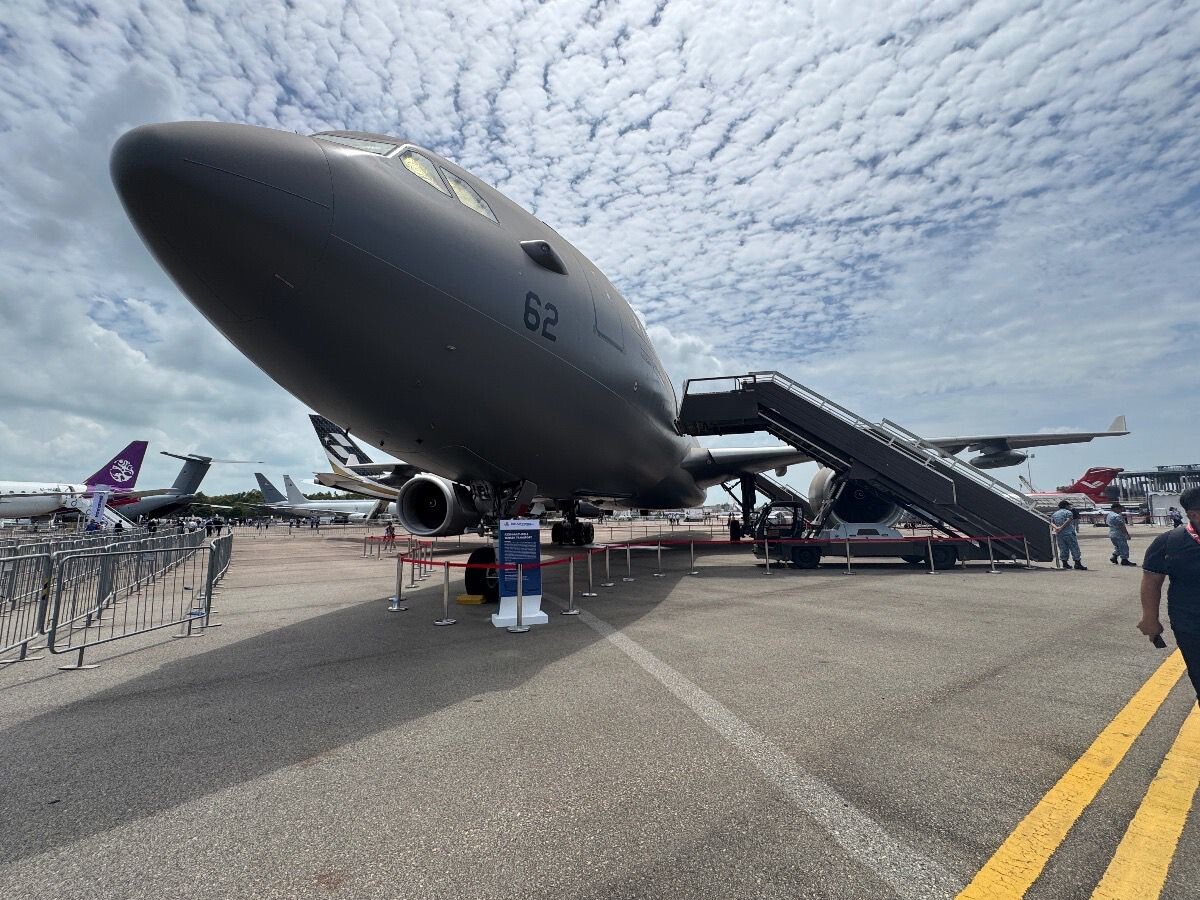
A330 MRTT: This next-gen tanker is a “force multiplier,” capable of aerial refuelling and airlift roles simultaneously. It even has a universal receptacle allowing it to receive fuel from another tanker, extending its time on station indefinitely.
-
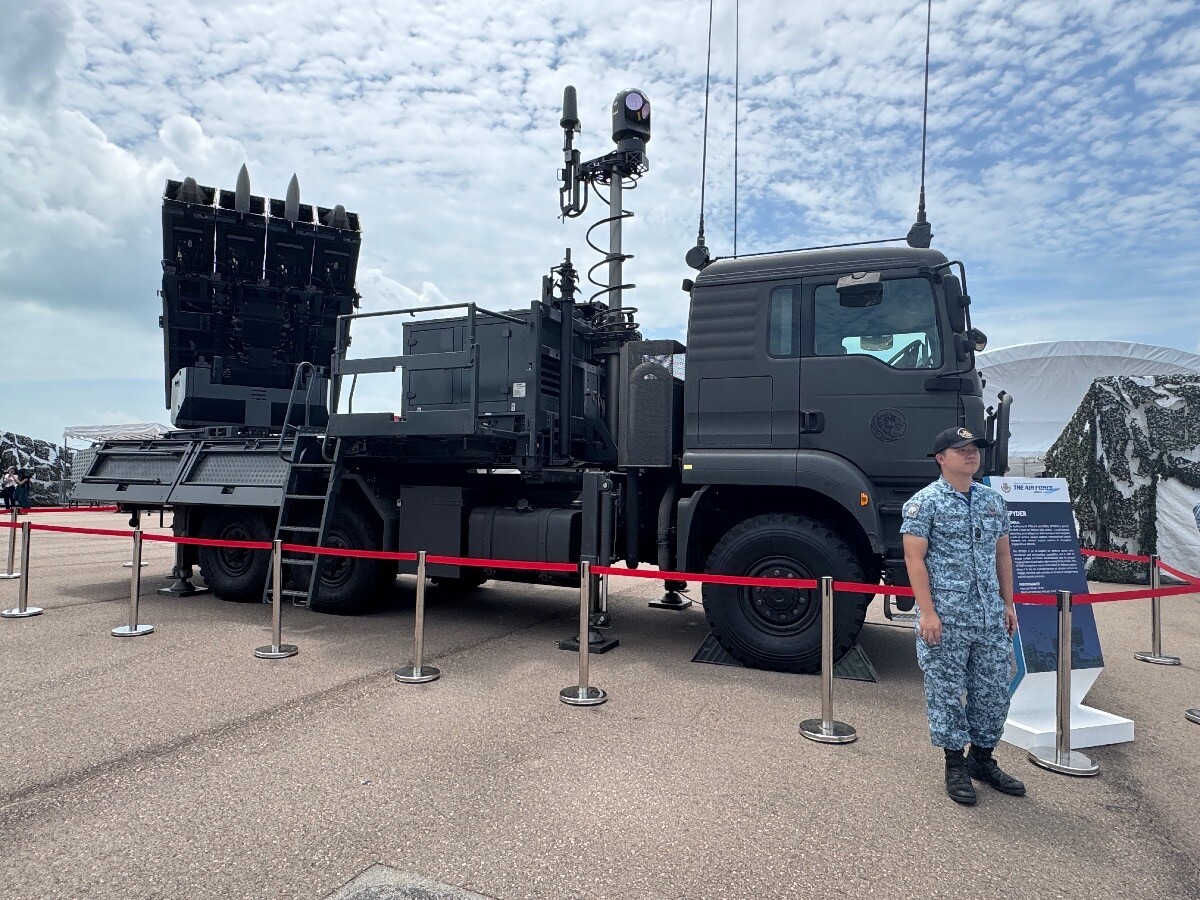
SPYDER System: Part of the Island Air Defence (IAD) system, this intelligent network uses Python-5 and Derby missiles to neutralise multiple air threats simultaneously with extreme precision.
Stepping Indoors: The Corporate & Innovation Hall
Escaping the midday heat, I ventured into the main hall where the heavyweights of the industry had set up shop. The atmosphere here was electric, buzzing with the sounds of VR goggles and the hum of miniature engines.
GE Aerospace & Lufthansa Technik
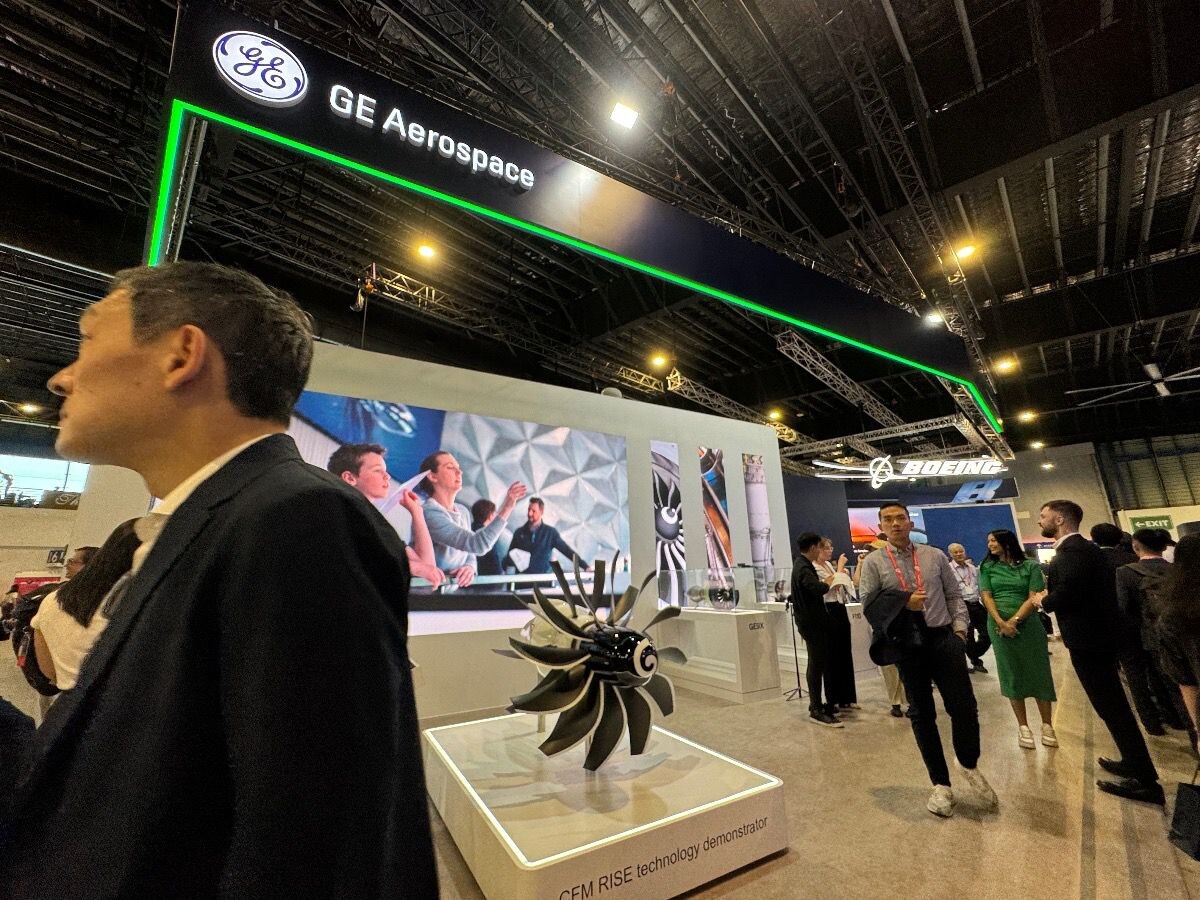
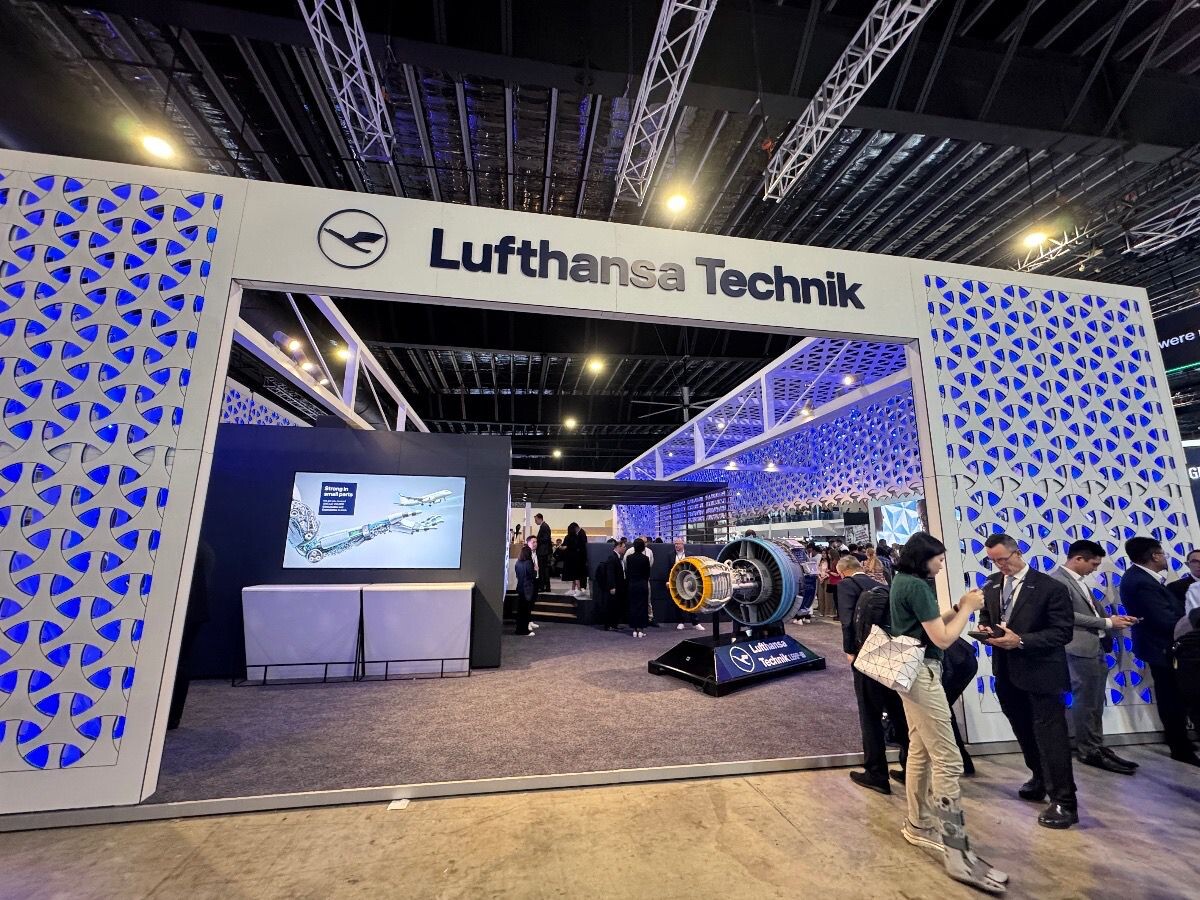
GE Aerospace was a massive presence this year. They recently announced a staggering USD 300 million investment in Singapore to bolster their AI-driven Maintenance, Repair, and Overhaul (MRO) capabilities. Their exhibit was a masterclass in “Digital Twins”—virtual replicas of jet engines that use AI to predict when a part might fail before it actually does. Not far off, Lufthansa Technik showed off intricate engine models that looked more like Swiss watches than heavy machinery, highlighting their role in keeping the world’s fleets in the air with German precision.
Boeing & The Wisk Air Taxi
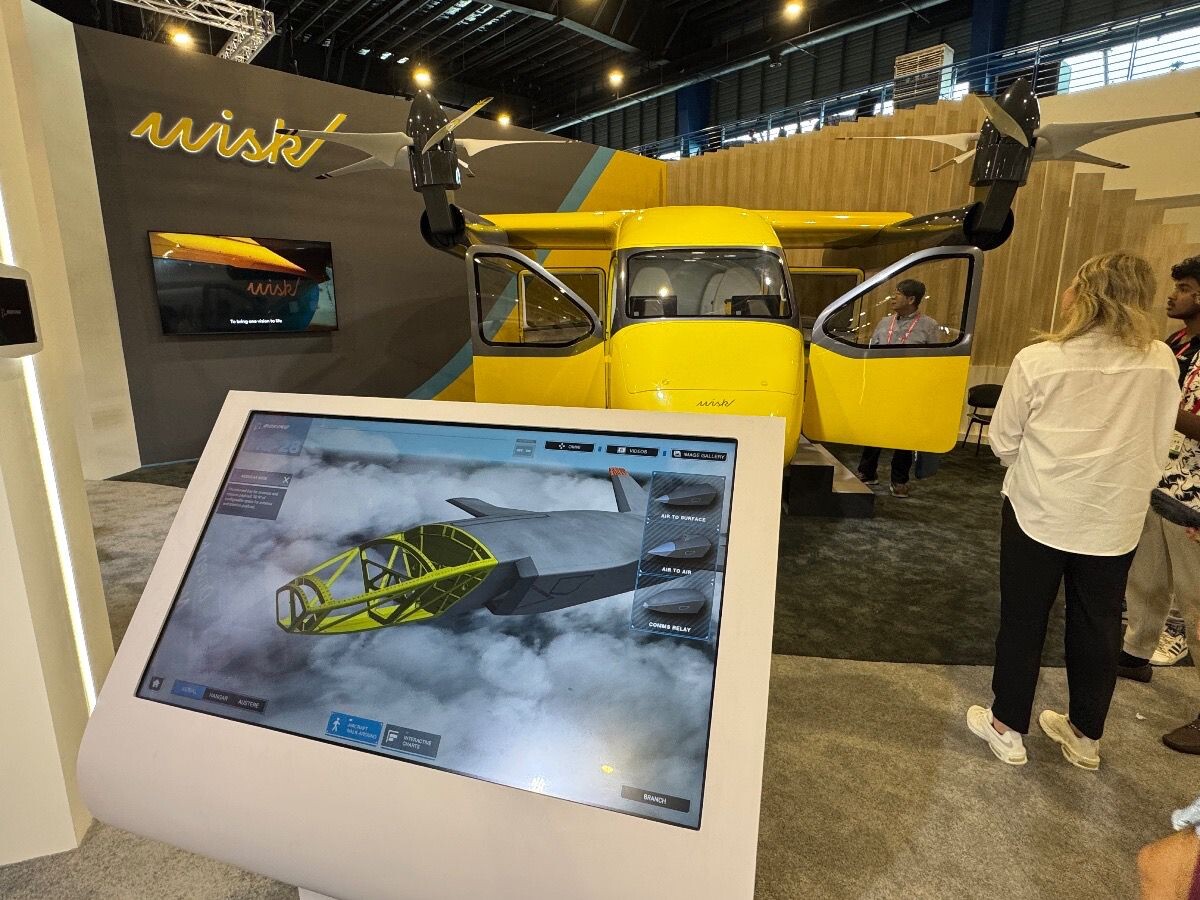
Over at the Boeing pavilion, the conversation was all about autonomy. They showcased the Wisk Gen 6, an all-electric, autonomous eVTOL (electric Vertical Take-off and Landing) air taxi. Unlike traditional helicopters, this “Flying Uber” has no pilot—it’s monitored from the ground. Sitting in the cabin, you realise how much more spacious it feels without a cockpit taking up the front half.
Global UAV Innovation: Japan & China
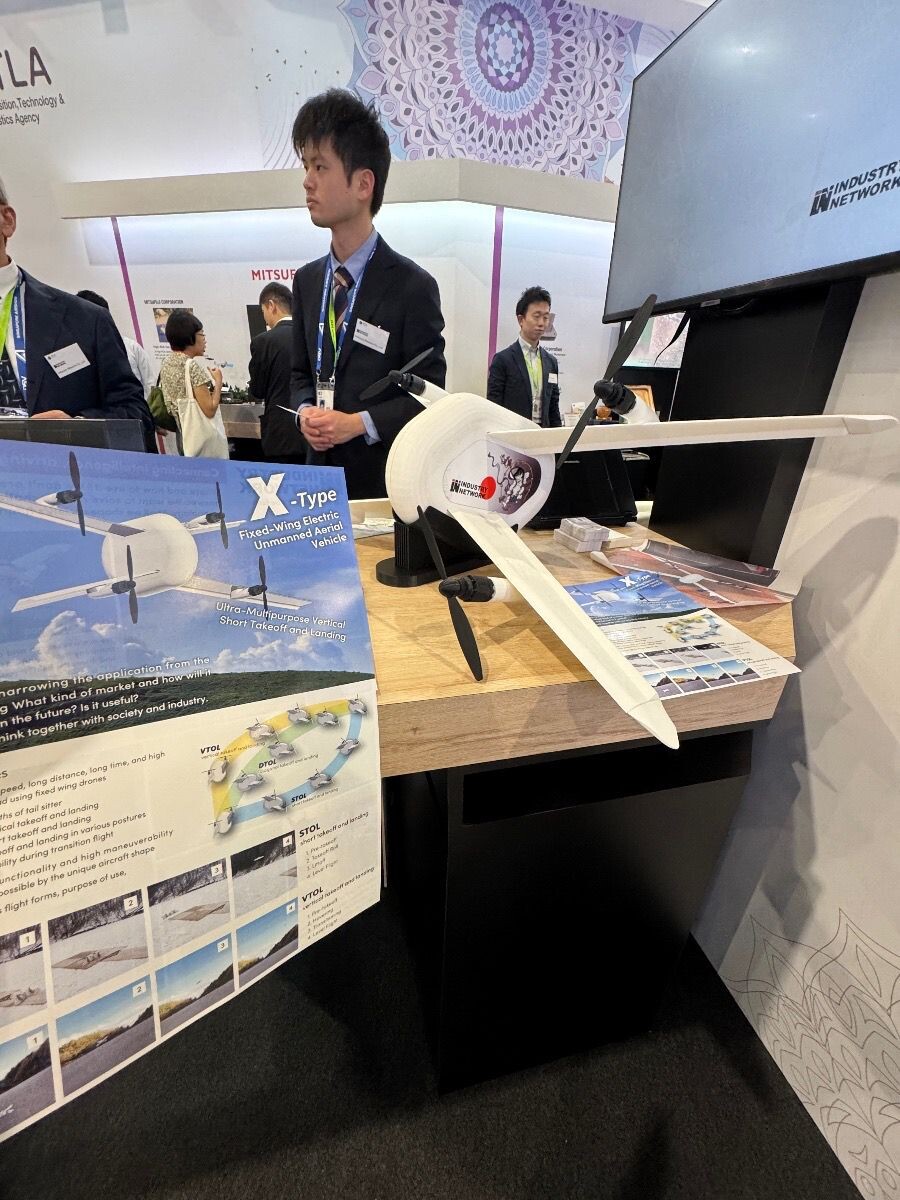
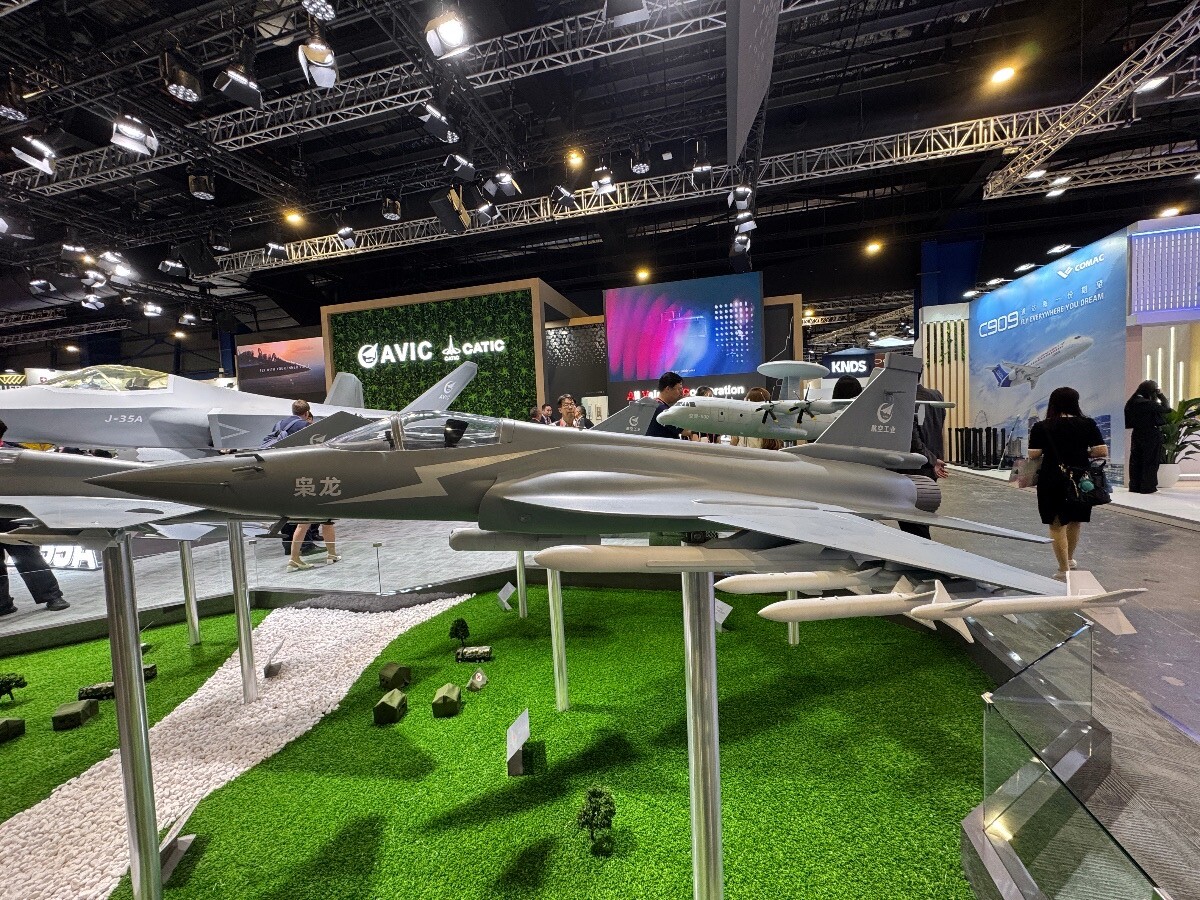
The Industry Network (Japan) pavilion brought a unique aesthetic to the floor, showcasing their X-type drone platforms. These aren’t your typical consumer drones; they are rugged, foldable machines designed for industrial inspections in tight spaces. Meanwhile, AVIC (Aviation Industry Corporation of China) reminded everyone of their massive scale, displaying everything from commercial components for COMAC to tactical defence systems.
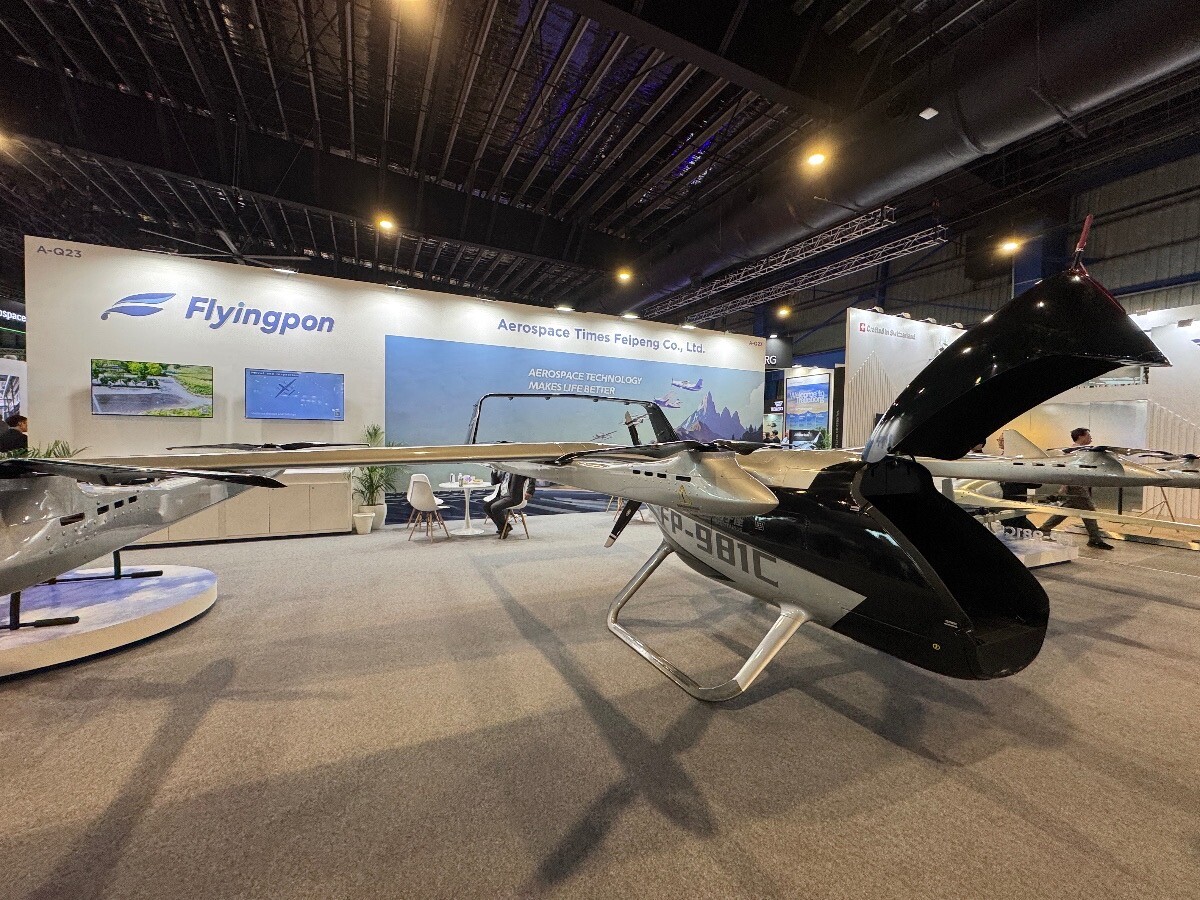
I also spotted the Flyingpon exhibit—an emerging player in the agile UAV market. Their drones are designed for high-speed “swarm” deployments, a technology that feels like it’s pulled straight from a futuristic video game but is very much becoming a reality in 2026.
ST Engineering: Homegrown Innovation
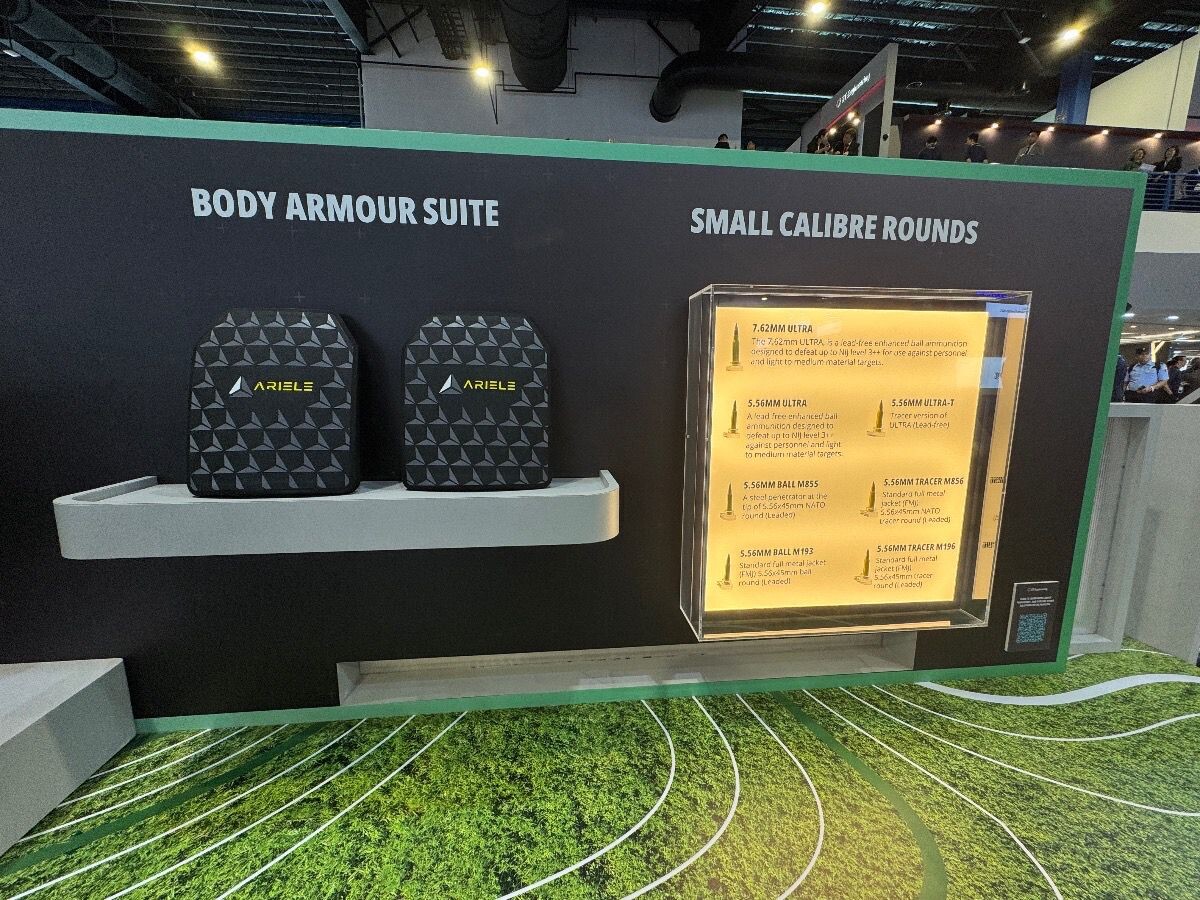
As the largest exhibitor, ST Engineering really flexed its muscles, showcasing that it isn’t just an aerospace firm. They are building the entire ecosystem for the future of defence. The ARIELE Body Armour suite was a standout for me. This isn’t just a heavy vest; it’s a high-tech garment focusing on ergonomics and cooling. Including built-in cooling, it reduces the physical burden on our soldiers by 20% in the tropical heat.
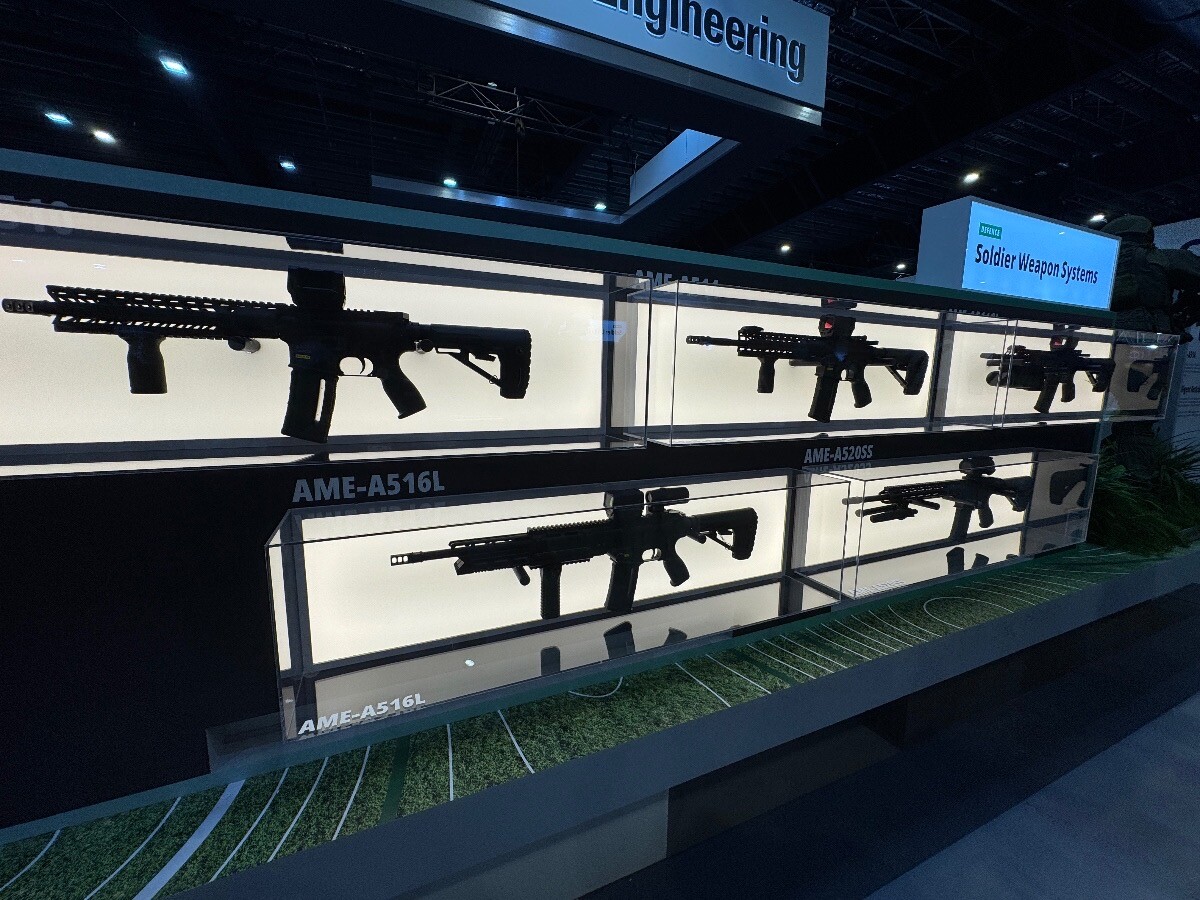
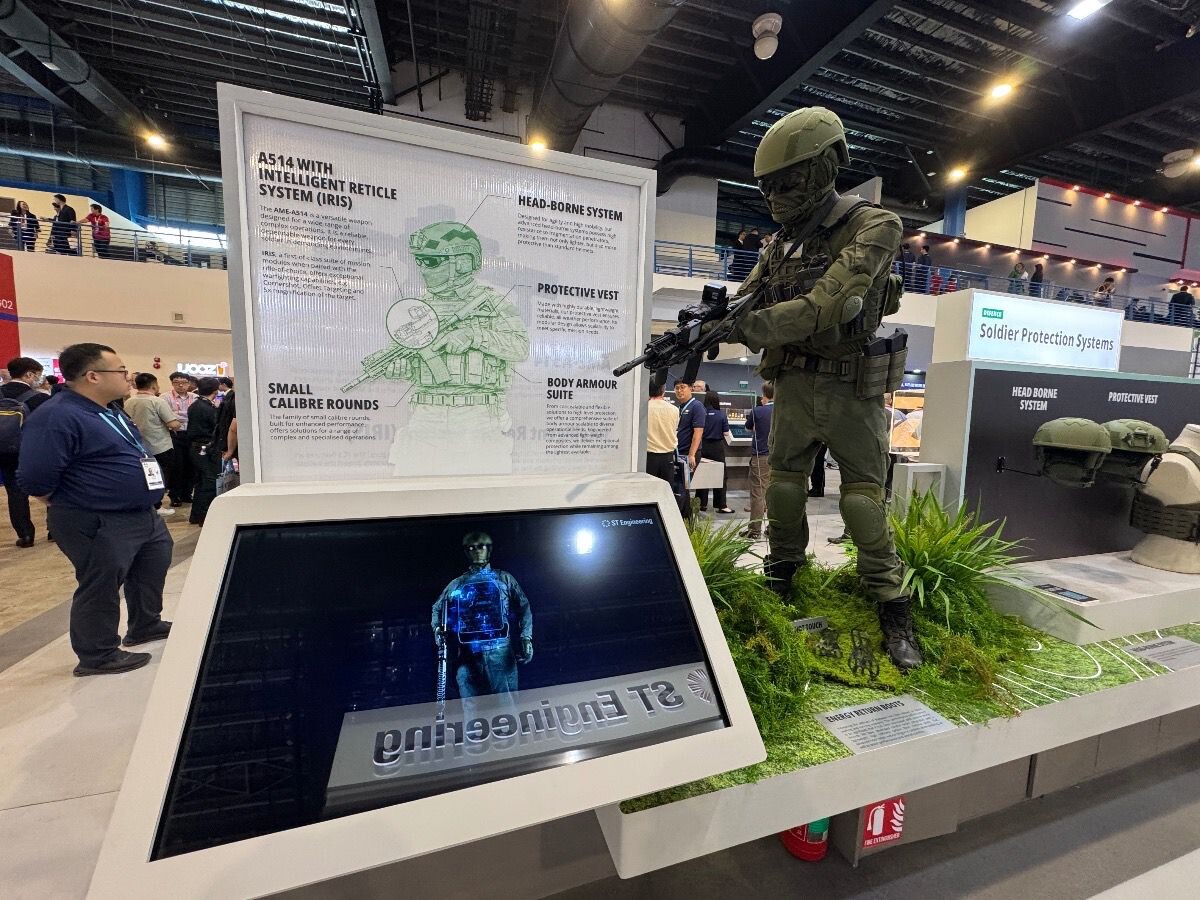
I also saw the new AME-A514 assault rifle and the modular Next Gen SAR. These aren’t just “guns”—they are digital-ready platforms designed to be lighter and more modular. On the tech side, the IRIS (Incident Response Interactive Simulation) VR suite allows security forces to rehearse tactical scenarios in a virtual Singapore. Meanwhile, their 120mm Mortar Family is hitting targets up to 9km away with “Extended Range” precision.
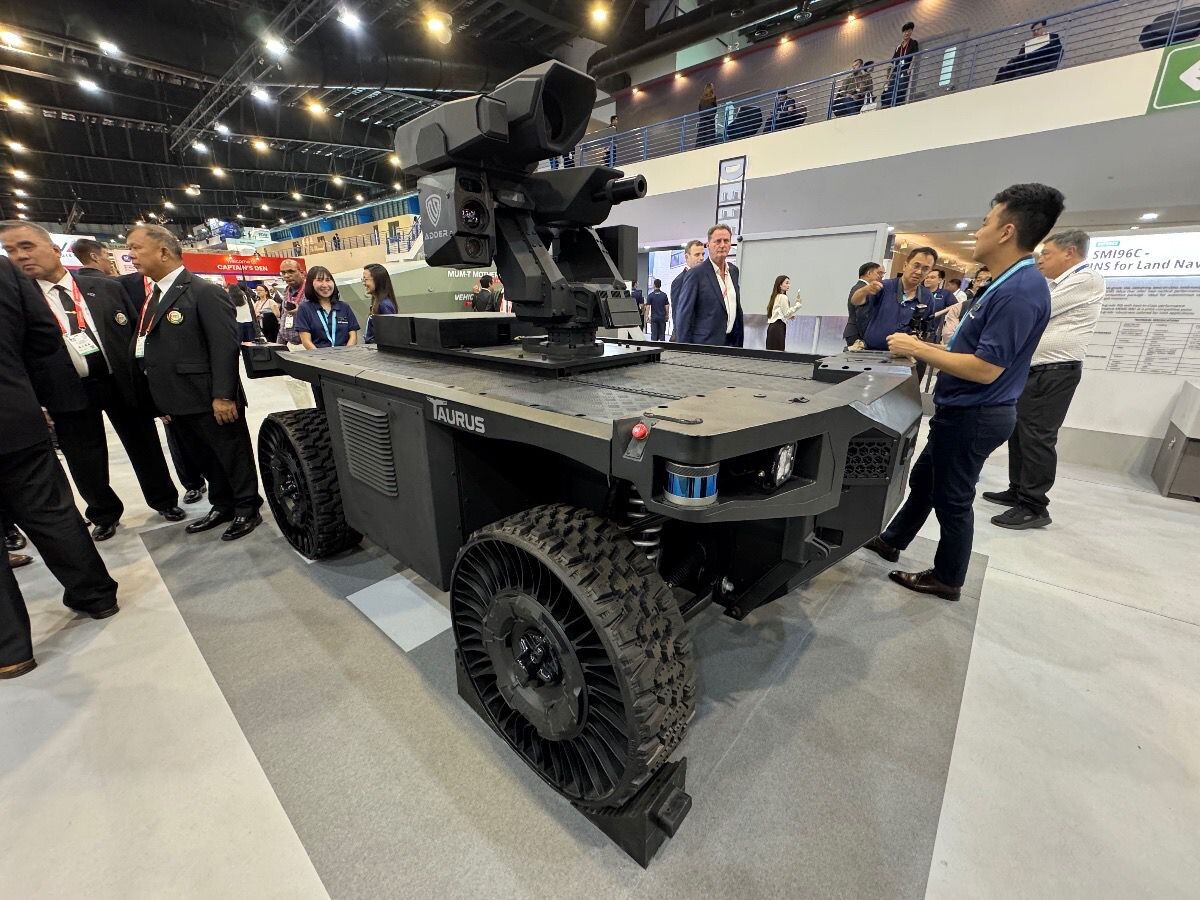
Of course, I had to stop to see the Taurus UGV (Unmanned Ground Vehicle). While it’s not a plane, it’s a crucial part of the modern “Manned-Unmanned Teaming” ecosystem. This modular robotic platform can be fitted with anything from a stretcher for casualty evacuation to a remote weapons station, proving that Singapore is a world leader in integrating ground and air robotics.
Final Thoughts
From the autonomous air taxis of Wisk to the massive GE9X engines, Singapore Airshow 2026 was a reminder that the “Little Big Red Dot” is the heart of global aviation. Whether you’re an aviation geek or love a good spectacle, the shift toward sustainability and AI is undeniable. I’m still buzzing from the experience, and I hope this deeper look helps you appreciate the technology behind every “dance in the sky” we witnessed.